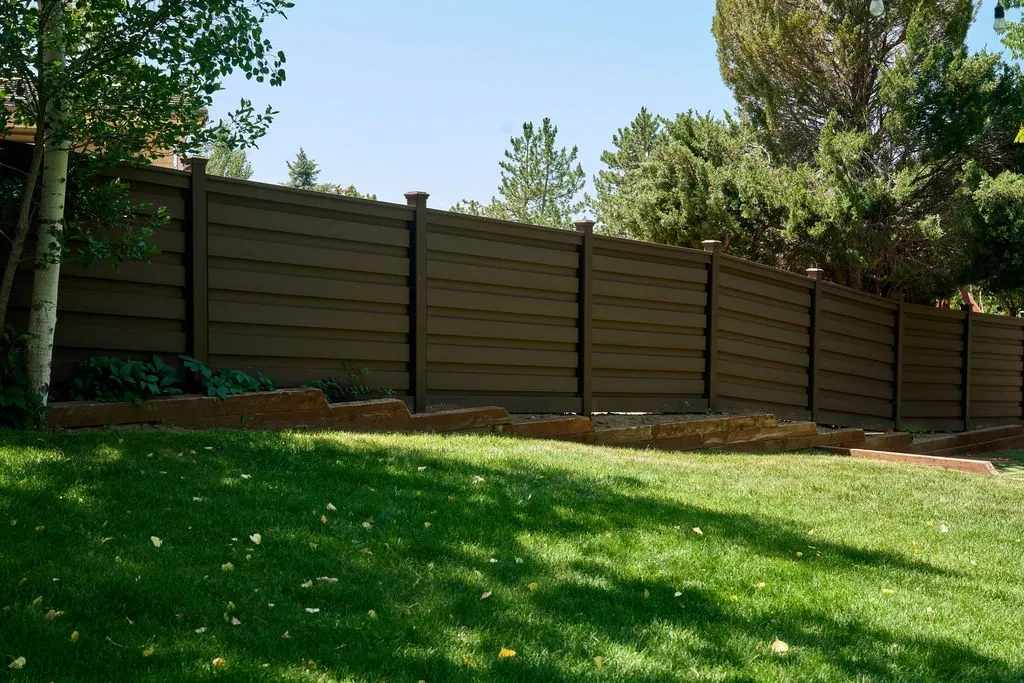
Winter in Birmingham may not bring heavy snow every year, but it does bring dramatic temperature shifts. Warm afternoons can quickly give way to freezing nights, creating a freeze-thaw cycle that challenges many outdoor materials. Homeowners considering vinyl fence installation often wonder how their fence will handle these conditions. At Top Rail Fence Birmingham, we regularly help property owners choose fencing solutions designed to stand strong through Alabama’s unpredictable winters.
Understanding how vinyl fencing performs during freeze-thaw cycles can provide peace of mind and long-term confidence in your investment.
Understanding Birmingham’s Freeze-Thaw Cycle
Unlike northern climates with extended freezes, Birmingham typically experiences short bursts of cold weather followed by milder temperatures. This repeated freezing and thawing can cause expansion and contraction in certain materials.
Why Freeze-Thaw Conditions Matter
When moisture enters porous fencing materials such as untreated wood, it can freeze and expand. As temperatures rise, that moisture thaws and contracts. Over time, this process may lead to cracks, warping, and structural instability.
This is where vinyl fence materials offer a significant advantage. Vinyl is non-porous, meaning it does not absorb water the way wood does. Without trapped moisture, the risk of cracking due to freezing conditions is dramatically reduced.
How Vinyl Fence Installation Is Engineered for Temperature Changes
Modern vinyl fence installation techniques are designed with flexibility in mind. Vinyl has a natural ability to expand and contract slightly without losing its shape or strength.
Built-In Flexibility for Durability
Unlike rigid materials that may become brittle in cold weather, quality vinyl fencing maintains a level of flexibility even when temperatures drop. This flexibility allows panels and posts to move subtly with changing weather instead of resisting it.
Proper spacing during vinyl fence installation is essential. Experienced installers account for seasonal expansion and contraction to ensure panels remain aligned and gates continue functioning smoothly year-round.
Reinforced Posts for Structural Stability
In areas like Birmingham, soil conditions can also shift during winter moisture changes. Reinforced posts, properly set below the frost line when necessary, help keep fences upright and secure. A professional vinyl fence company understands how local soil and seasonal conditions affect long-term fence performance.
Comparing Vinyl Fencing to Traditional Materials in Winter
Freeze-thaw cycles tend to highlight weaknesses in traditional fencing materials.
Wood Fencing and Moisture Damage
Wood naturally absorbs moisture. During a freeze, trapped water can expand within the fibers, causing splitting and surface cracks. Over time, repeated cycles weaken structural integrity and create maintenance demands.
Metal Fencing and Temperature Stress
Certain metal fences can contract significantly in cold temperatures. Fasteners may loosen, and protective coatings can deteriorate faster under repeated stress.
Vinyl Fence Materials and Weather Resistance
In contrast, vinyl fence materials are manufactured to resist both moisture infiltration and temperature stress. According to information from Bob Vila, vinyl fencing is known for its resilience in extreme weather conditions and reduced susceptibility to cracking compared to wood alternatives.
This durability makes vinyl fencing a practical solution for homeowners seeking low-maintenance performance through seasonal swings.
Performance Testing: What Happens During a Freeze
When temperatures dip below freezing in Birmingham, a properly installed vinyl fence typically shows no visible change.
Surface Integrity
Because vinyl does not absorb water, there is no internal freezing expansion. The surface remains smooth, and color consistency is preserved. This is especially important for homeowners who value curb appeal throughout the year.
Gate Alignment and Hardware Stability
With professional vinyl fence installation, gates are positioned to accommodate movement. Even after a cold snap, gates should open and close without sticking. This level of performance depends heavily on working with an experienced vinyl fence company that understands proper installation methods.
If you are exploring different styles built to handle seasonal conditions, you can browse available options directly on the vinyl fencing page to see how modern designs combine durability with visual appeal.
Long-Term Benefits Beyond Winter
While freeze-thaw durability is important, the advantages of vinyl fencing extend beyond the winter months.
Reduced Maintenance After Cold Weather
After a winter storm, wood fencing may require inspection, sealing, or minor repairs. A vinyl fence typically needs only a light rinse to remove dirt or debris. There is no sanding, repainting, or sealing required.
Consistent Appearance Year After Year
Temperature swings can fade paint and stain on traditional fencing. Because vinyl fence materials contain color throughout the product, minor surface scratches are less noticeable, and fading is significantly reduced.
For homeowners in Birmingham, this means their fence continues looking polished even after years of seasonal change.
Why Professional Vinyl Fence Installation Matters in Birmingham
Even high-quality materials can underperform if installation is rushed or improperly executed. Soil composition, drainage, and grading all influence fence stability.
An experienced team like Top Rail Fence Birmingham ensures that every vinyl fence installation accounts for local conditions. From accurate post depth to proper panel spacing, attention to detail directly affects how well a fence performs during freeze-thaw cycles.
Working with a trusted vinyl fence company also ensures compliance with neighborhood guidelines and city regulations, which helps avoid future complications.
Is Vinyl Fencing a Smart Choice for Winter Durability?
For homeowners evaluating fencing options, winter resilience is an important consideration. In Birmingham, where temperatures can fluctuate quickly, choosing materials that resist moisture damage and structural stress makes a noticeable difference.
Vinyl fencing stands out because it:
- Resists water absorption
- Withstands expansion and contraction
- Maintains structural alignment
- Requires minimal post-winter maintenance
- Preserves curb appeal through seasonal changes
When these advantages are combined with expert vinyl fence installation, homeowners gain a fence that performs reliably regardless of temperature swings.
Preparing Your Property for Seasonal Stability
If you are planning an upgrade before the next cold season, partnering with a knowledgeable vinyl fence company ensures your investment is protected from the start. Top Rail Fence Birmingham helps homeowners evaluate layout, style, and installation techniques tailored to Alabama’s climate.
A professionally installed vinyl fence offers year-round performance and peace of mind. To discuss your project details and schedule a consultation, visit the Contact Us page and connect with the team today.
Choosing vinyl fence installation is not just about appearance. It is about selecting a solution built to endure Birmingham’s winter swings while delivering long-term strength, simplicity, and value.