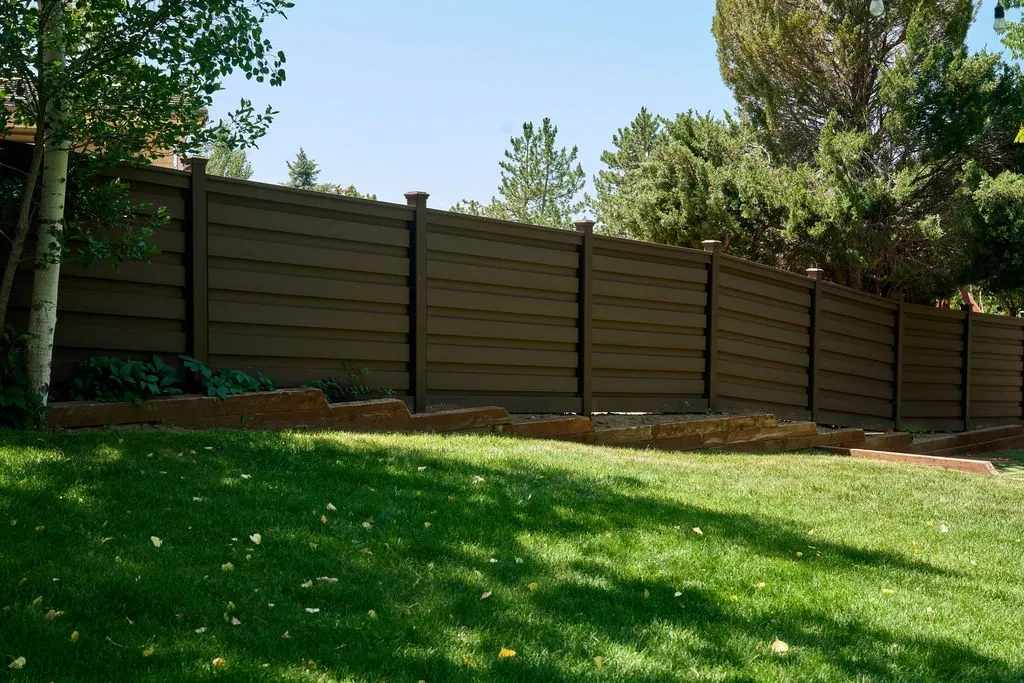
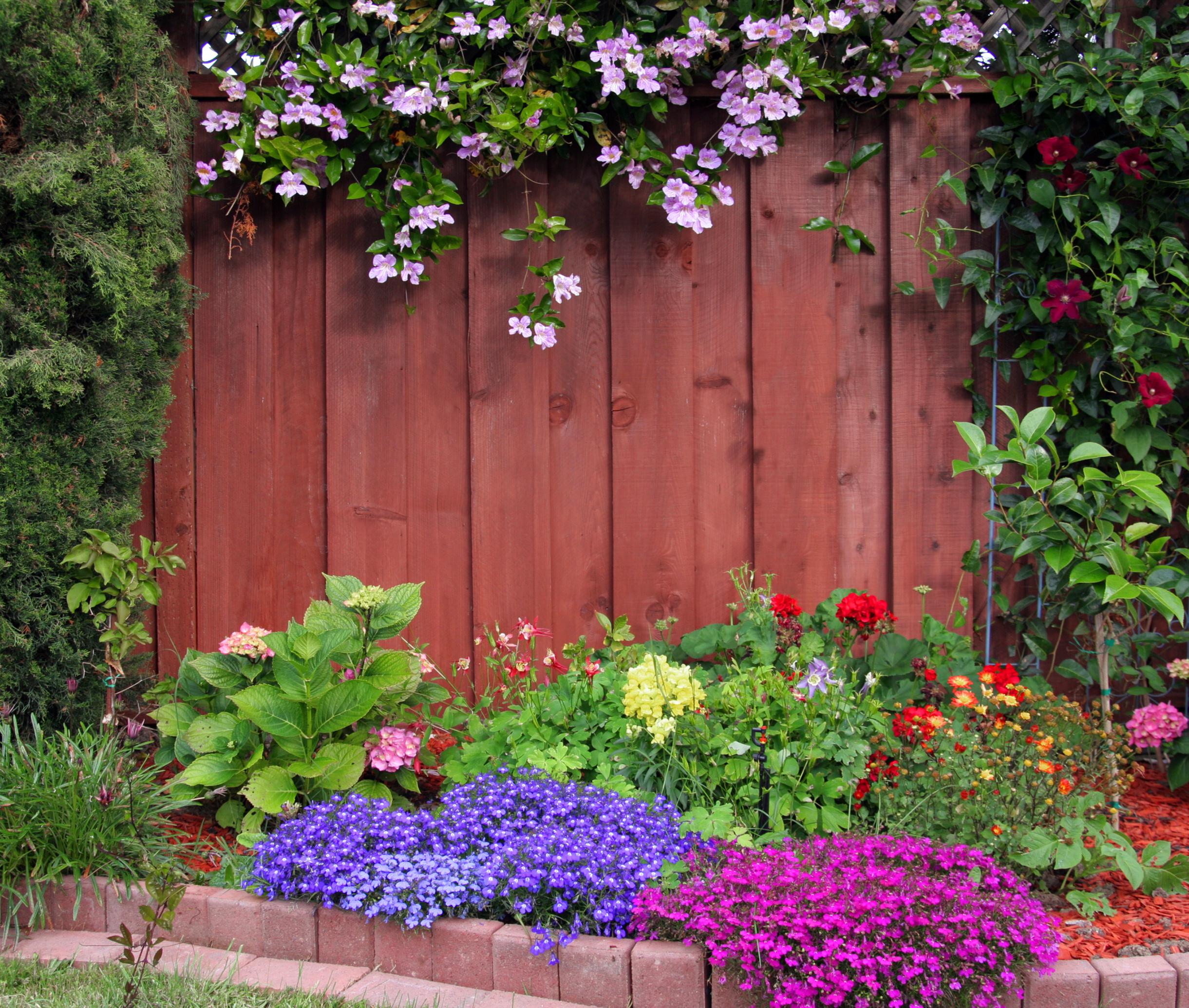
A yard often starts as a background feature, but once it becomes a daily space for relaxing, entertaining, or spending time with family, the wood fence surrounding it suddenly matters more. Homeowners in Birmingham frequently rethink earlier choices once they experience how their outdoor space is actually used. The right wood fence can transform a yard into a comfortable extension of the home, while the wrong one can feel restrictive or unfinished. Many homeowners begin this reassessment by exploring Top Rail Fence Birmingham, especially when everyday use reveals gaps in privacy, layout, or overall comfort.
At Top Rail Fence Birmingham, these moments of reconsideration are common. What once looked good on paper does not always perform the same way when the yard becomes part of daily life. Understanding how residential fencing fits into real routines helps homeowners make smarter long-term decisions.
When a Yard Shifts From Occasional to Everyday Use
The way a yard is used has a direct impact on how a wood fence performs. A fence that works for occasional gatherings may not meet the needs of daily activities like morning coffee outdoors, children playing, or quiet evenings after work. Homeowners often realize that spacing between boards, fence height, and overall layout influence how comfortable the space feels.
A well-planned wood fence creates separation without isolation. It defines the yard while still allowing airflow and visual warmth that other materials lack. This balance becomes more important once the yard is no longer an afterthought. Thoughtful fence design allows homeowners to enjoy privacy without making the space feel closed off or cramped.
The Role of Fence Design in Everyday Comfort
Design choices become more noticeable with frequent use. Fence design affects light, airflow, and how sound travels through a yard. A tightly built wood fence may provide privacy, but it can also reduce airflow during warmer months. Conversely, a more open design offers comfort but may sacrifice seclusion.
This is where experience matters. A knowledgeable wood fence installation approach considers how the fence will feel over time, not just how it looks on installation day. In residential fencing, design should support how people move, sit, and relax in the yard. Homeowners often revisit their decisions once they recognize how these details influence daily enjoyment.
How Wood Fence Height Changes the Space
Height is one of the most reconsidered aspects of a wood fence. Taller fences provide privacy, but they can also change how open the yard feels. Shorter fences encourage connection with surrounding areas but may leave homeowners wanting more separation. Finding the right balance is a common challenge once the yard becomes part of everyday routines.
In many Birmingham neighborhoods, zoning and style preferences also play a role. A fence that aligns with local aesthetics often feels more natural and inviting, especially when paired with thoughtful fence design choices.
Material Quality and Long-Term Satisfaction
The quality of materials used in a wood fence becomes obvious over time. Daily exposure highlights differences in durability, texture, and appearance. High-quality wood ages gracefully, developing character instead of looking worn. Poor materials, however, show signs of stress quickly, leading homeowners to question earlier decisions.
This is why professional wood fence installation is essential. Proper post setting, board spacing, and treatment all contribute to how the fence holds up during everyday use. Midway through the decision process, many homeowners explore guidance from trusted providers like Top Rail Fence Birmingham, especially when comparing long-term performance to initial cost. Learning more about professional wood fence installation services often reshapes expectations.
Privacy Expectations vs Real-Life Use
Privacy needs tend to evolve. A wood fence chosen for basic boundary definition may feel insufficient once neighbors’ routines overlap with yours. Conversely, a fence built solely for privacy can feel too enclosed when the yard becomes a social space. Residential fencing works best when it adapts to changing needs rather than locking homeowners into a single function.
This is where flexible fence design options stand out. Adjustable layouts, varied board spacing, and thoughtful placement allow a wood fence to support multiple uses over time. According to This Old House’s fencing guide, adaptable designs often provide the greatest long-term satisfaction for homeowners who use their yards frequently.
Maintenance Realities of a Daily Space
Daily use also changes how homeowners view maintenance. A wood fence requires care, but that care becomes more intentional when the yard is used often. Staining, sealing, and regular inspections are easier to justify when the fence contributes directly to daily comfort.
Many homeowners discover that routine upkeep actually strengthens their connection to the space. A well-maintained wood fence feels like part of the home rather than a boundary around it. This shift in mindset often leads homeowners back to professionals such as Top Rail Fence Birmingham for advice on maintenance schedules and long-term care.
Making the Right Decision Moving Forward
Reconsidering a wood fence decision is not about regret. It is about aligning the fence with how the yard is truly used. As outdoor spaces become extensions of indoor living, residential fencing must support comfort, privacy, and design harmony.
If your yard has become a daily retreat and your current fence no longer fits your lifestyle, it may be time to rethink your options. A carefully planned wood fence installation can reshape how the space feels and functions. To explore tailored solutions or discuss updates to your existing fence, reach out through the Contact Us page and connect with Top Rail Fence Birmingham to take the next step toward a yard that truly works for everyday living.