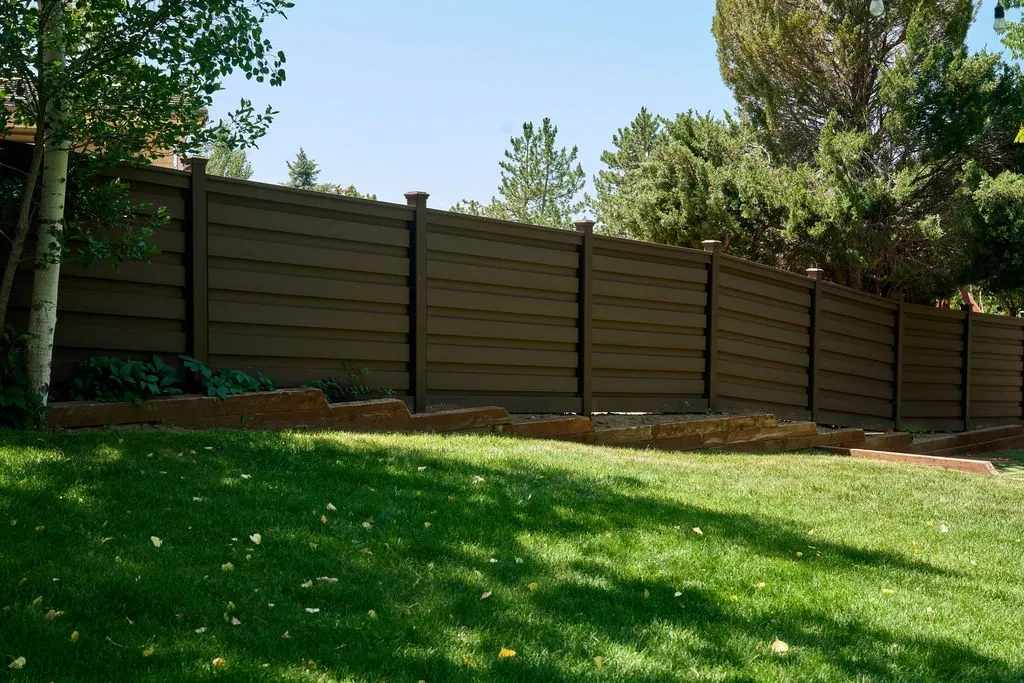
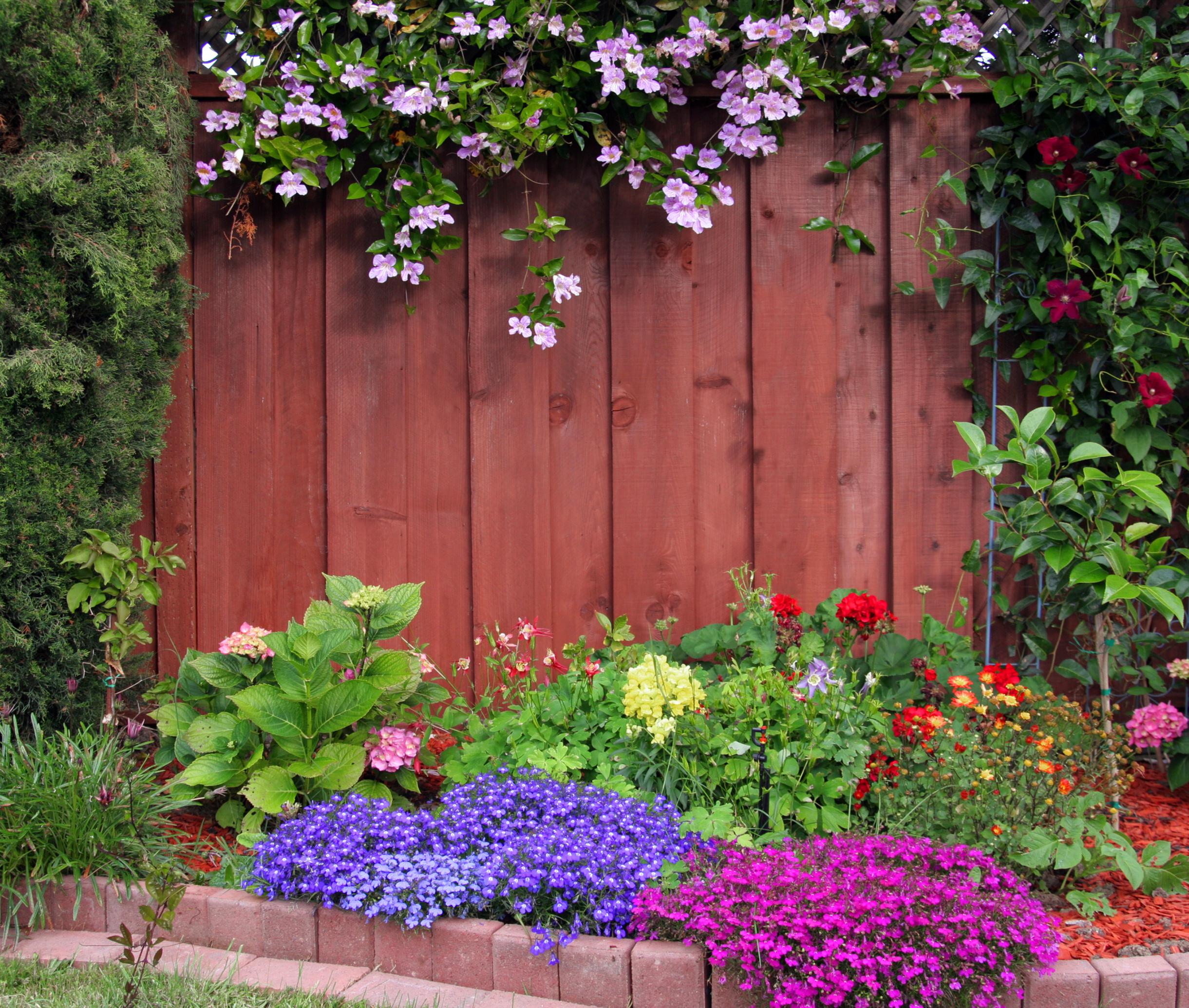
Neighborhood design plays a bigger role in wood fence installation than many homeowners realize. Lot size, street placement, home spacing, and even sidewalk patterns quietly shape which fencing decisions make sense long term. In Birmingham, older neighborhoods, planned communities, and newer developments all create different needs that directly affect wood fence installation outcomes.
At Top Rail Fence Birmingham, this pattern comes up often. Two homes can sit only minutes apart and still require very different fencing approaches because of how the neighborhood was designed decades ago. Understanding these subtle influences helps homeowners avoid fencing decisions that feel mismatched after installation.
Why Neighborhood Structure Shapes Fence Decisions
Every neighborhood sets quiet rules for how a fence functions. Tightly spaced homes often require a stronger emphasis on privacy fence solutions, while larger lots allow more flexibility in fence design. In walkable areas with sidewalks, fences often serve as visual boundaries rather than full enclosures. These details guide how wood fence installation should be approached from the start.
In neighborhoods with rear alleys or shared access points, fence placement must accommodate traffic flow. In contrast, cul-de-sac homes may prioritize backyard privacy over street-facing aesthetics. These layout differences affect not just fence height, but also board spacing, gate placement, and overall fence options available.
Lot Size and Property Lines Matter More Than Style
Homeowners often focus first on appearance, but lot size quietly dictates what works. Narrow lots benefit from privacy fence styles that maximize seclusion without overwhelming the yard. Wider properties allow room for layered fencing designs that balance openness and privacy.
Proper wood fence installation accounts for property lines, setbacks, and utility access. In some Birmingham neighborhoods, fences must be positioned to allow drainage or shared access paths. Ignoring these factors can result in a fence that looks good but feels inconvenient over time.
How Street Placement Influences Fence Height
Street-facing yards create different priorities than interior lots. Homes closer to busy roads often need taller privacy fence designs to reduce noise and visual exposure. Meanwhile, interior streets with slower traffic allow shorter fencing that complements curb appeal.
This is where fence design becomes practical, not just decorative. A fence that aligns with neighborhood traffic patterns often feels more natural and less intrusive. Experienced installers understand how these subtle layout factors affect daily use.
Backyard Function Changes Fence Needs
Neighborhood layouts also influence how backyards are used. In areas where homes back up closely to one another, wood fence installation often focuses on full enclosure to create a sense of retreat. In neighborhoods with wooded buffers or natural separation, lighter fencing may be enough.
Many homeowners adjust their plans after realizing how often their backyard is visible from neighboring windows or shared spaces. This is why exploring professional wood fence installation services in the middle of the planning process often changes the final decision. At Top Rail Fence Birmingham, these conversations help homeowners choose fence options that actually match how their yard is experienced day to day.
Gate Placement and Neighborhood Flow
Gate placement is another overlooked factor tied to neighborhood layout. Side yards, shared driveways, and rear access points all influence where gates should go. Poorly placed gates disrupt how homeowners move through their space and often lead to regrets after installation.
Thoughtful wood fence installation accounts for how families enter and exit the yard, how trash bins are moved, and how pets access outdoor areas. These practical details are shaped by neighborhood structure as much as personal preference.
Privacy Expectations Vary by Area
Privacy means different things depending on where you live. In dense neighborhoods, a privacy fence often becomes essential for comfort. In quieter, spaced-out communities, privacy may come from strategic placement rather than full enclosure.
Understanding these expectations helps homeowners choose the right fence design without overbuilding. According to The American Planning Association, residential layouts strongly influence how outdoor boundaries are perceived and used, which directly impacts fencing satisfaction over time.
Matching Fence Style to Neighborhood Character
A fence should feel like it belongs. Traditional neighborhoods often favor classic wood fence installation styles, while newer developments may allow for modern interpretations. Matching the neighborhood character helps fences feel intentional rather than imposed.
This balance is something Top Rail Fence Birmingham emphasizes during consultations. A fence that respects neighborhood patterns often performs better socially and functionally, blending into the environment instead of standing out for the wrong reasons.
Making Smarter Fence Choices in Birmingham
Choosing the right wood fence installation starts with understanding your surroundings. Neighborhood layout influences everything from fence height to material selection. Homeowners who consider these factors early often end up more satisfied with their final result.
If you are planning a fence and want guidance tailored to your specific neighborhood, professional insight can make all the difference. Exploring customized fence options ensures your fence works with your property, not against it.
For homeowners ready to move forward, the next step is simple. Reach out through the Contact Us page to speak with Top Rail Fence Birmingham and get expert help designing a fence that fits both your home and your neighborhood.