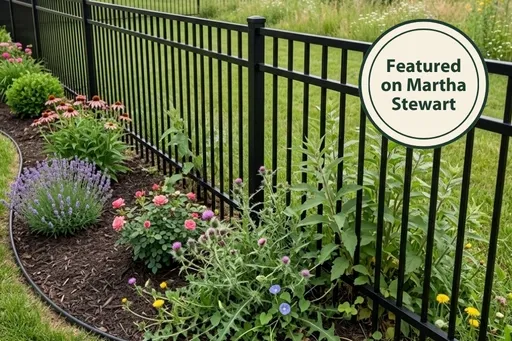
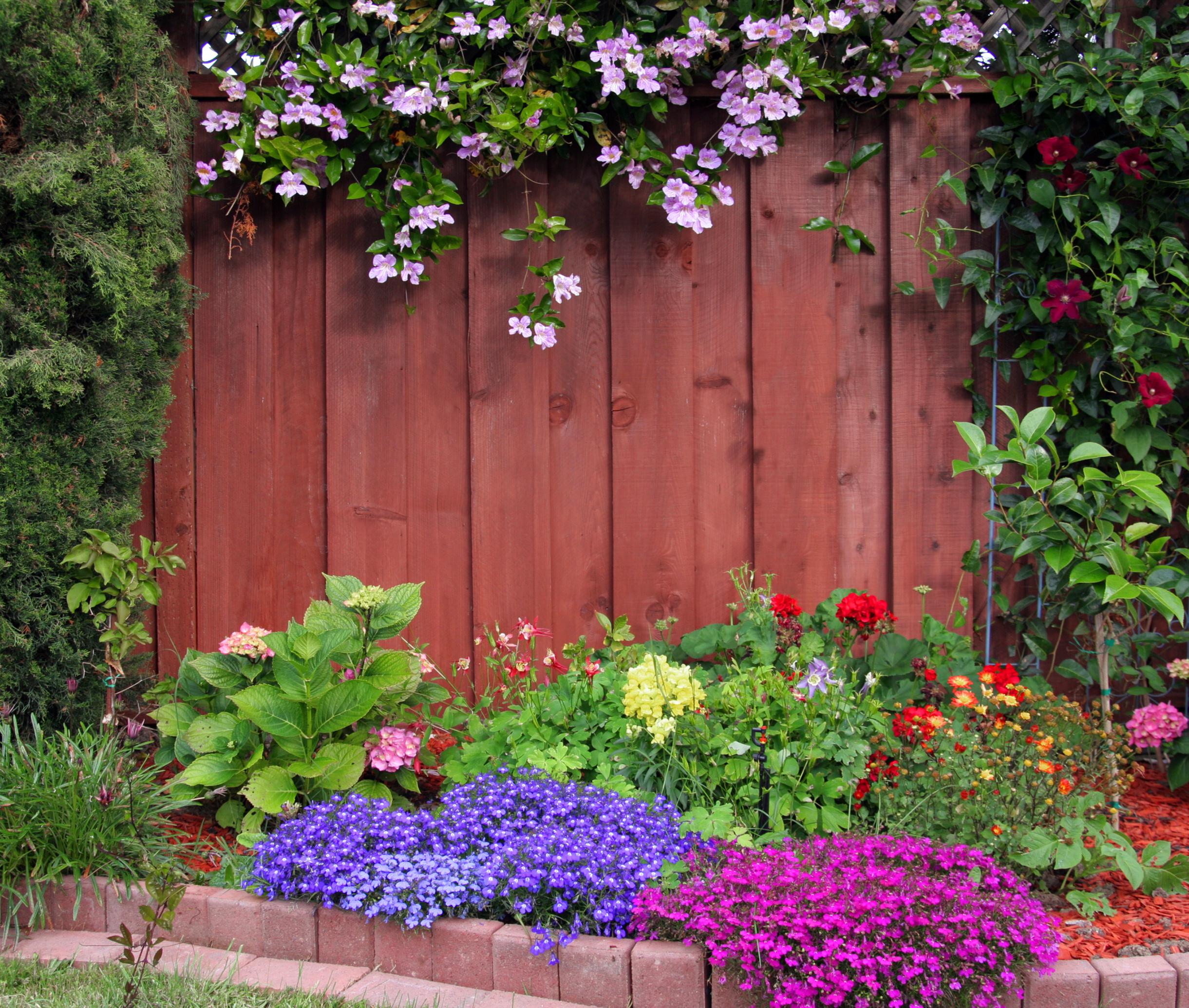
Painting your fence is one of the most effective ways to enhance your home's curb appeal and extend the life of your fence. The right fence paint, color, or stain depends on your fence material, architectural style, and surrounding landscape—and this guide covers all of it.
Fences serve an important role in your home: they mark boundaries, provide privacy, and contribute significantly to your property's overall aesthetic. Whether you're refreshing a weathered wood fence or adding color to a vinyl panel, a well-chosen fence color or stain can transform your entire outdoor space.
Fence painting ideas by location
The right fence painting idea depends on where the fence is located on your property. A front-yard fence calls for something polished and welcoming, while a backyard fence can afford more creativity and personal expression.
Front-yard fence paint ideas
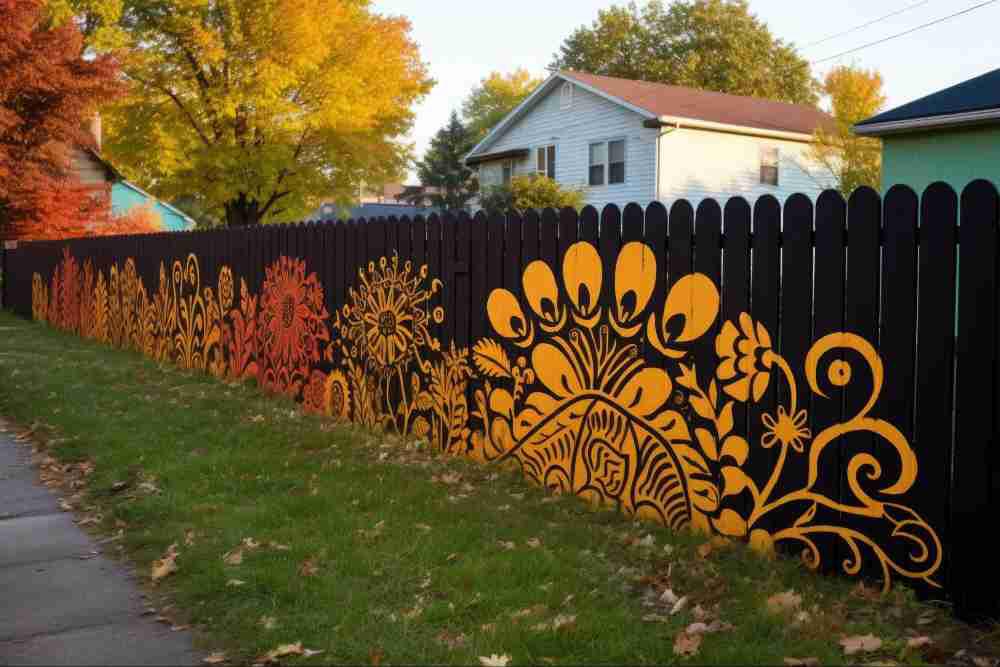
Your front-yard fence is one of the first things visitors see—so make it count. Consider these fence paint ideas to boost your home's curb appeal:
Decorative borders: Add a scalloped edge or geometric patterns along the top or bottom of the fence for a refined, eye-catching detail.
Stripes: Create a striking visual effect with vertical or horizontal stripes in complementary fence colors.
Stenciled motifs: Use stencils to add house numbers, family names, or simple designs like stars or circles for a personalized touch.
Faux wrought iron: Paint a faux wrought iron design to give the appearance of a more sophisticated, ornate fence.
Garden fence paint ideas
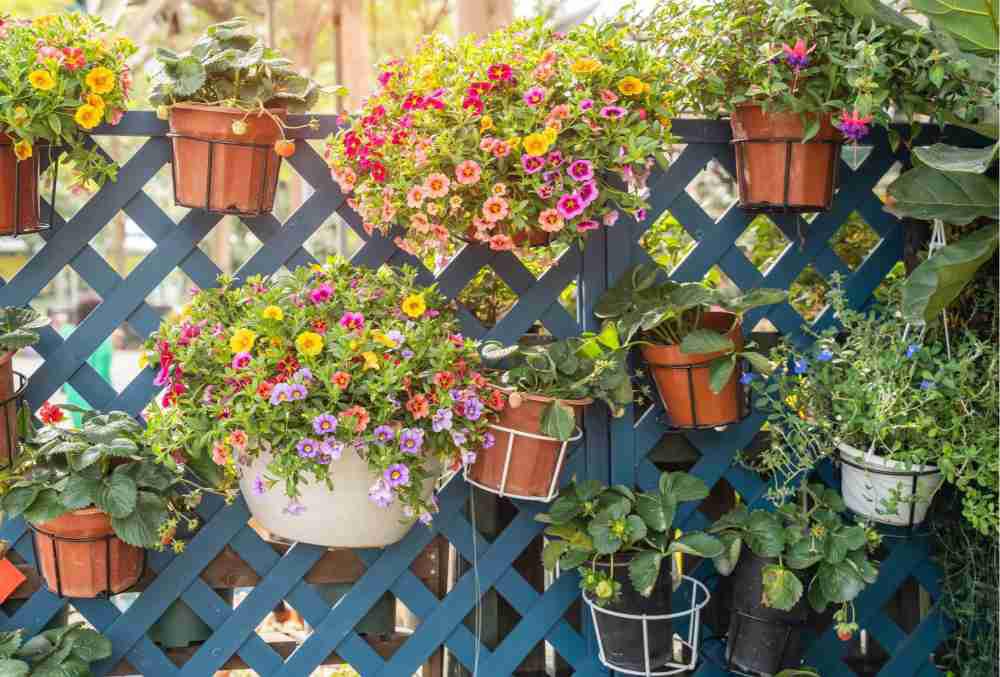

A garden fence offers the perfect canvas for nature-inspired creativity. These fence painting ideas work especially well in lush, planted outdoor spaces:
Murals: Paint a scene with birds, butterflies, or garden gnomes to reflect the natural beauty of your garden.
Picket fence effect: Create a picket fence illusion with painted-on plants or climbing vines.
Botanical patterns: Use stencils to add botanical patterns or themes related to fruits, vegetables, or flowers on each panel.
Faux windows or doors: Add painted faux windows or doors for a whimsical, cottage-like feel that adds depth and character.
Backyard fence paint ideas
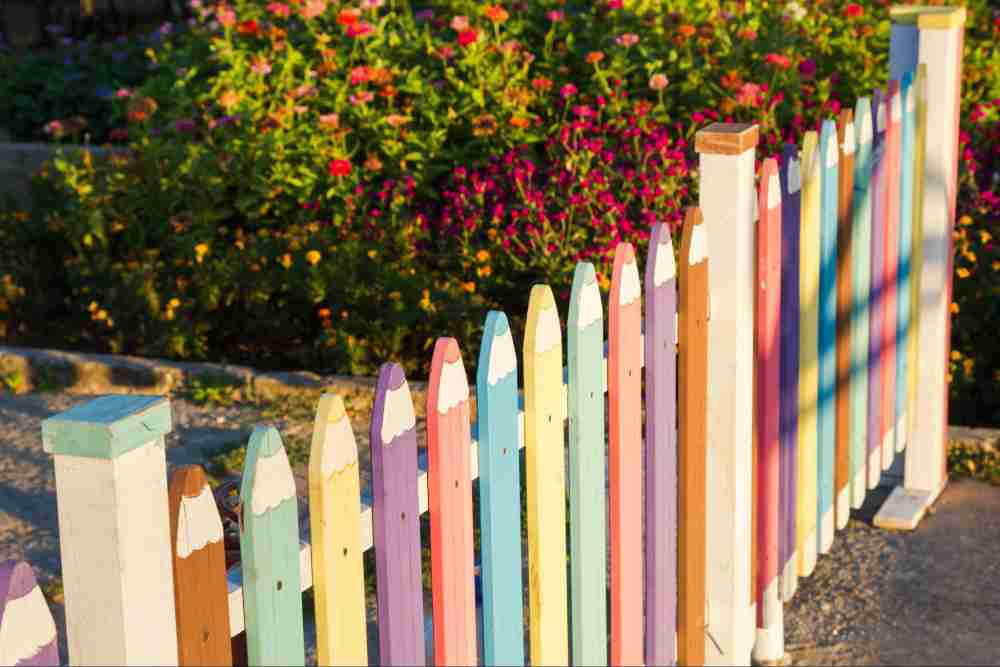

Your backyard fence can be both functional and fun. These ideas work well for family-friendly or entertaining spaces:
Chalkboard section: Paint a chalkboard section where kids can draw and adults can leave messages.
Textured look: Use a sponge or ragging technique to create a weathered, textured finish that adds rustic character.
Scenic backdrop: Paint a sunset or forest scene to transform your fence into a picturesque backdrop for gatherings.
Kids' design section: Dedicate a portion of the fence to colorful murals, whimsical characters, or a collage of handprints.
Fence paint color ideas
Choosing the right fence color is about more than aesthetics—different colors evoke different moods and complement your home's exterior and landscaping. Here's a breakdown of fence color categories to help you choose with confidence.
Neutral colors
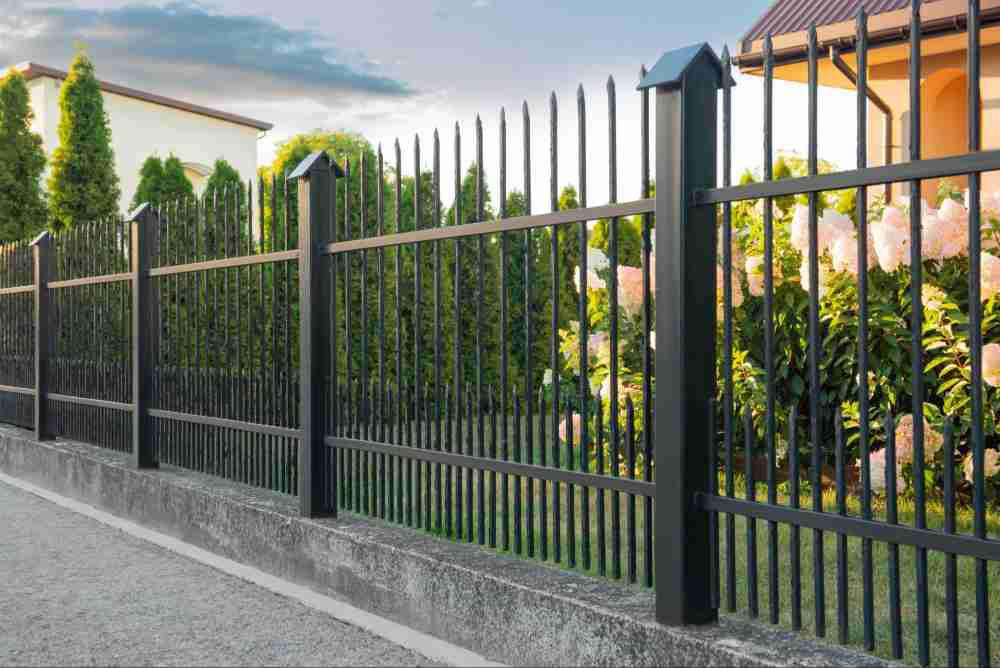

Neutral fence colors work well in almost any setting—urban or rural—and blend seamlessly with a wide range of architectural styles. They create a clean, timeless look that complements both modern and traditional homes. Popular neutral fence colors include:
- Classic white
- Black
- Soft gray
- Beige or taupe
Bold colors
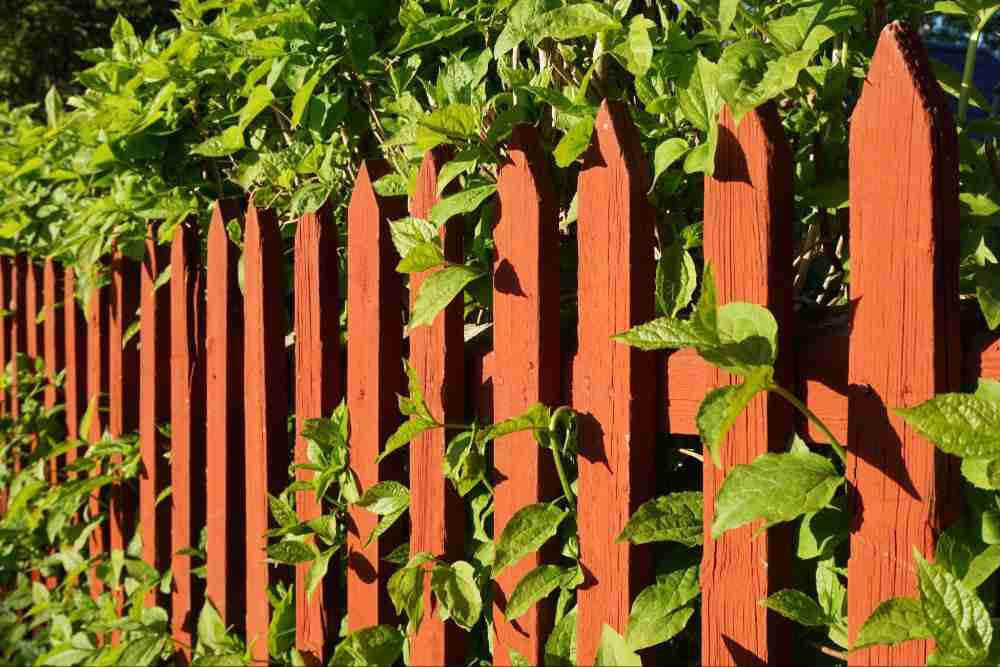

Bold fence colors make a strong statement and work best in urban settings or for homeowners who want their property to stand out. These shades are best suited to modern or eclectic architectural styles. Consider:
- Navy blue
- Deep green
- Burgundy or maroon
- Bright red
Pastel colors
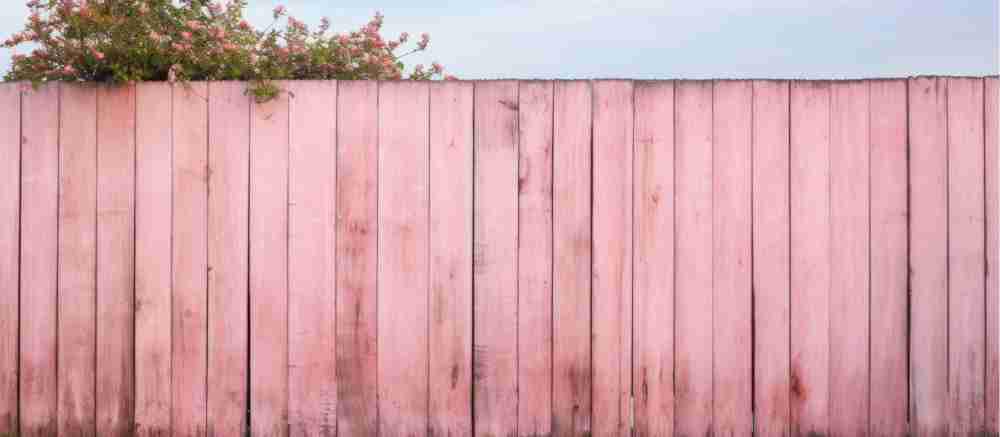
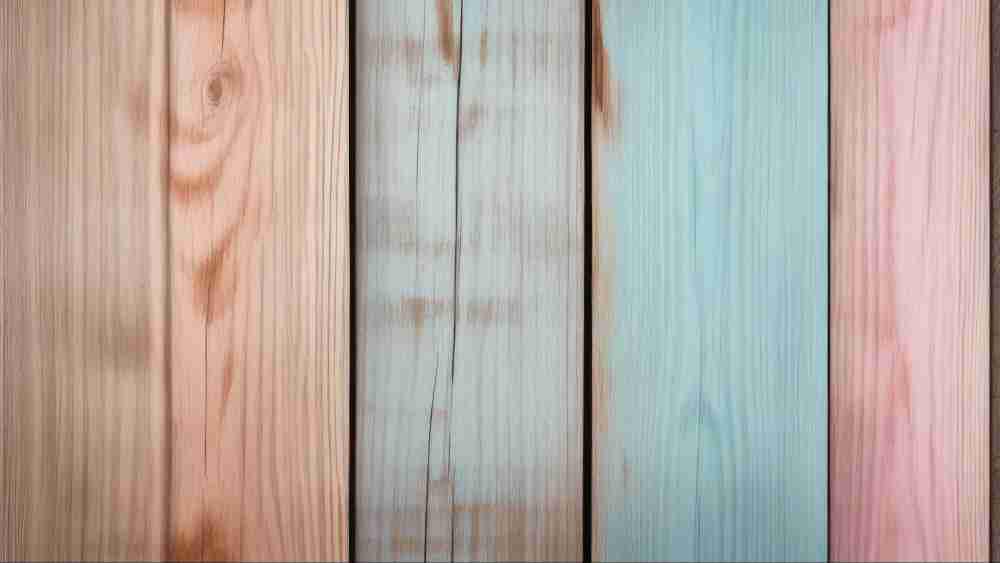
Pastel fence colors create a soft, relaxed atmosphere and are especially well suited to cottages, coastal homes, or any property with a light, airy aesthetic. Popular pastel options include:
- Light blue
- Soft pink
- Lavender
- Mint green
Earthy fence colors
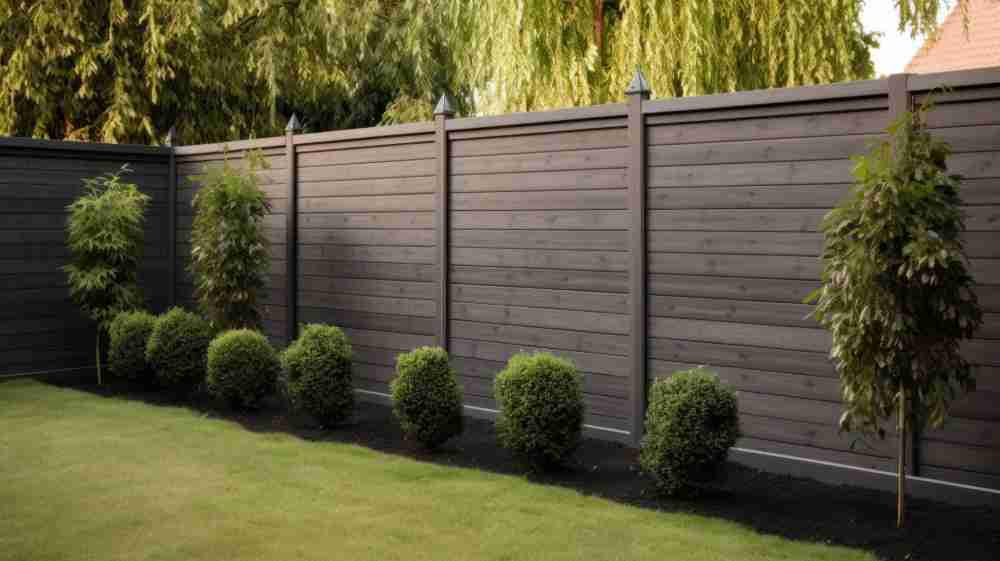
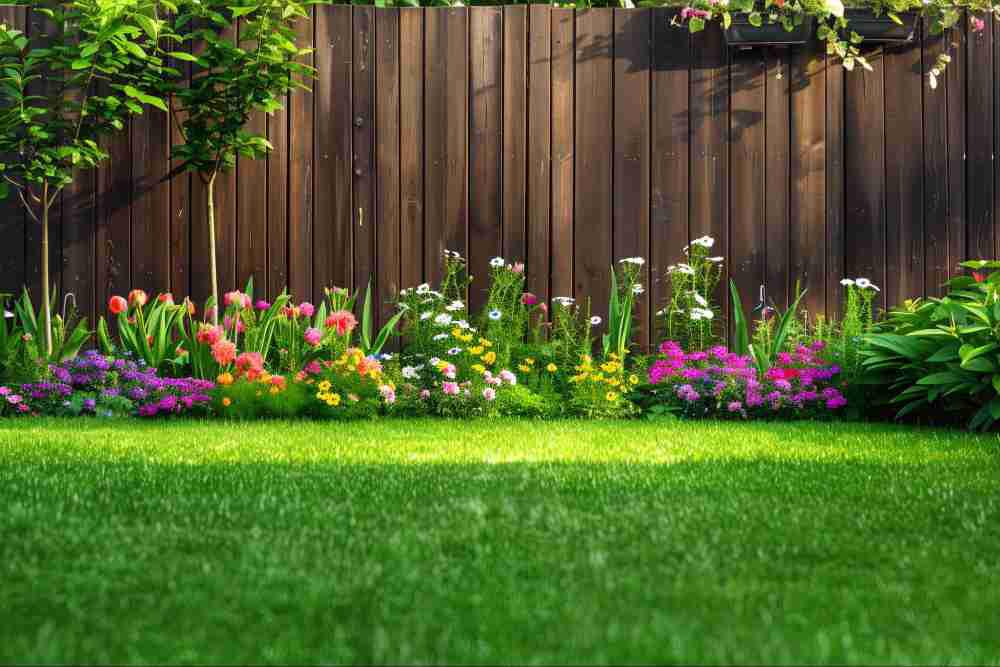
Earthy tones are ideal for rural or nature-adjacent settings, such as farmhouses or homes surrounded by trees and greenery. These fence colors blend naturally with outdoor surroundings for a warm, grounded aesthetic. Consider:
- Olive green
- Terracotta
- Sandstone
- Chocolate brown
Wood fence paint color ideas
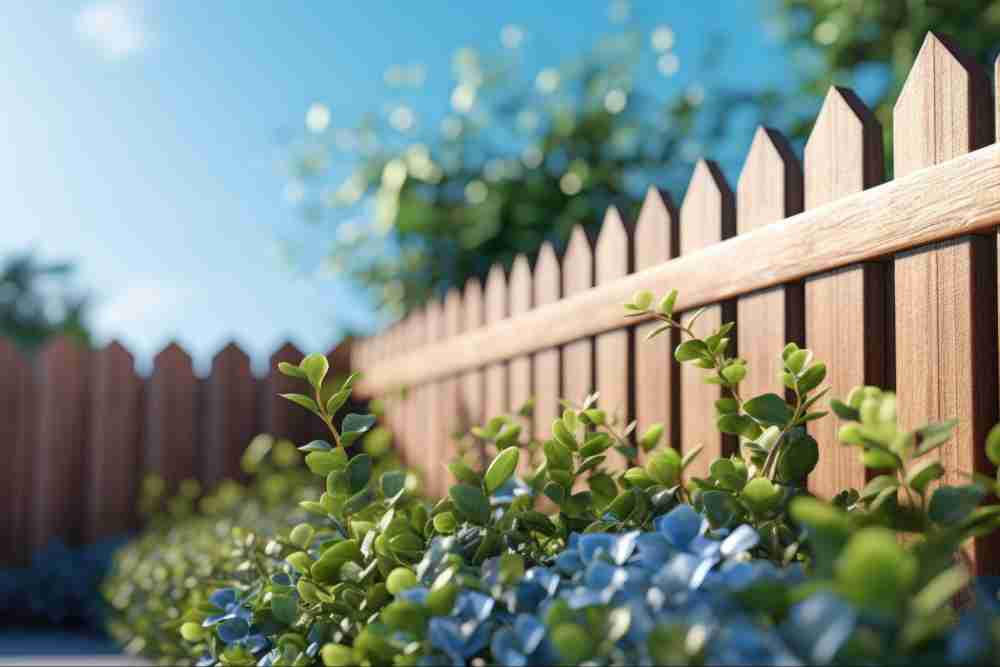
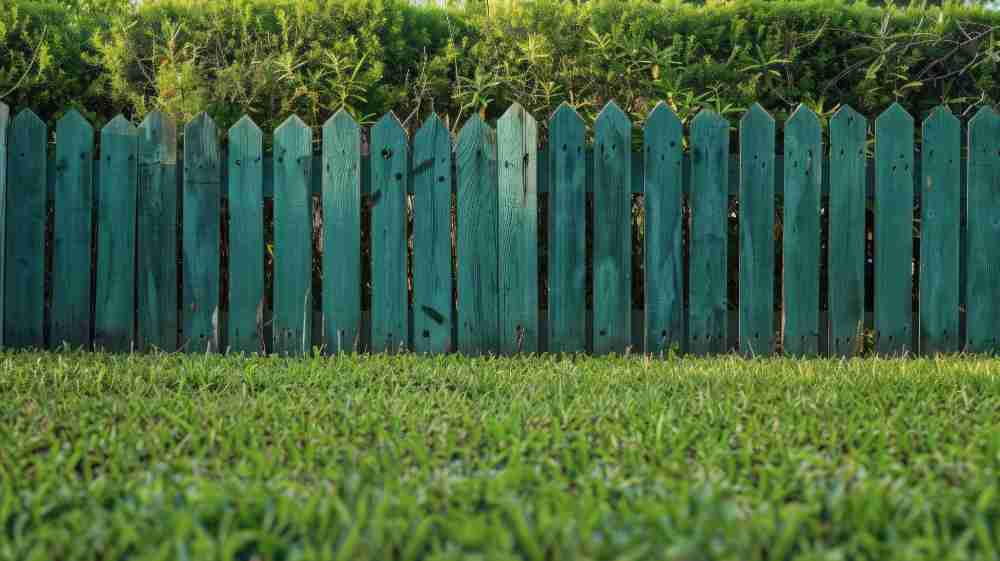
When choosing a color for a wood fence, consider the tones already present in your garden, home exterior, and surrounding landscape. A fence color that complements these elements—and aligns with your home's architectural style—will produce a cohesive, polished result.
Keep in mind that some colors require more maintenance than others. Darker fence colors may show dust and scratches more readily, while lighter shades may need more frequent cleaning to stay looking fresh.
Here are the most popular wood fence paint color ideas:
Natural wood tones: Cedar stain or weathered gray highlights the wood's natural grain and blends beautifully with garden settings.
Classic neutrals: White and charcoal gray offer a clean, sophisticated look that suits a wide range of home styles.
Earthy greens and blues: These shades bring the outdoors in, helping your fence feel like a natural extension of your garden.
Bold tones: Matte black and deep navy deliver a striking, modern look that stands out without looking out of place.
Soft pastels: Dusty rose or lavender gray add a gentle, whimsical touch that softens your outdoor space.
Fence staining vs. fence painting: what's the difference?
Fence staining and fence painting are both popular options for wood fences, but they serve different purposes.
Fence paint
Fence paint forms an opaque film on the surface of the wood, offering strong color coverage and a clean, finished look. It is better suited for homeowners who want a specific, consistent fence color. However, paint can peel or crack over time as the wood expands and contracts.
Fence stain
Fence stain penetrates the wood grain rather than sitting on top of it, which means it is less prone to peeling. Fence stain colors typically showcase the natural texture of the wood while adding UV protection and weather resistance. Fence staining tends to require less maintenance over time than paint.
General guidelines
As a general rule, fence staining is better suited for homeowners who want a natural, low-maintenance finish, while fence painting is the right choice when you need opaque color coverage or want to match a specific exterior palette.
What kind of paint should you use on a fence?
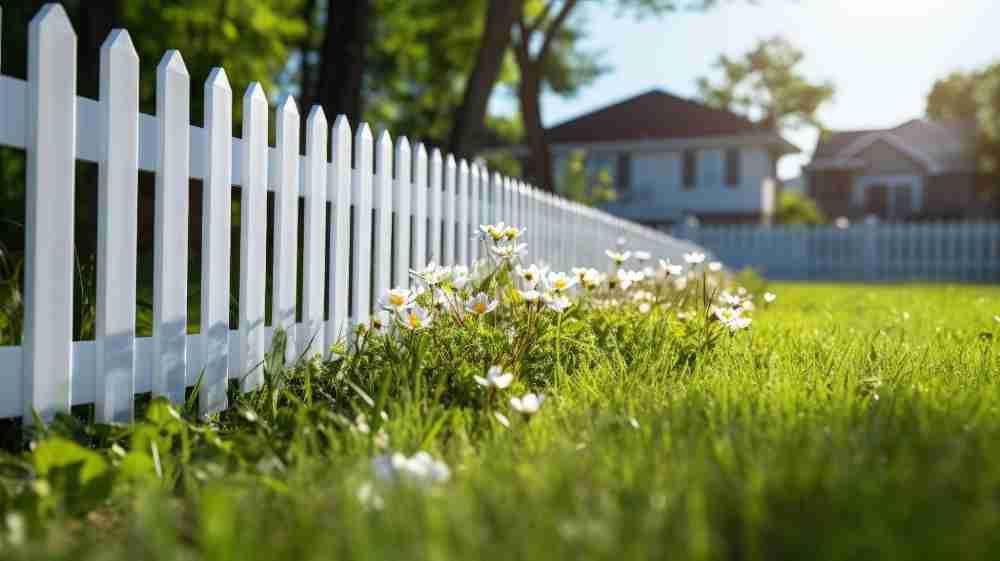
The best fence paint depends on the material of your fence. Using the wrong type can reduce durability and lead to premature fading, peeling, or rust. Here's what to use by fence type:
Wood fences: Acrylic latex paint is highly recommended. It provides a reliable moisture barrier, protects against rain and humidity, and is both durable and easy to clean.
Vinyl fences: Epoxy-based acrylic paints are the best option, as they flex with the vinyl as it expands and contracts. Always use a primer designed specifically for vinyl to prevent mold and mildew.
Metal fences: Rust-resistant enamel paint is essential. It protects against rust and weather damage, keeping your metal fence in top condition for years.
Frequently asked questions about fence painting
What are the most popular fence colors for homes?
Neutral fence colors—particularly white, black, and charcoal gray—remain the most popular choices because they complement a wide range of home styles and landscaping. Bold shades like navy blue and deep green are increasingly popular for modern homes.
How often should you repaint or restain a fence?
Most wood fences benefit from repainting or restaining every 2–5 years, depending on weather conditions, the quality of the original fence paint or stain, and how much direct sun exposure the fence receives. Fence stain colors may fade more gradually than paint, making stained fences slightly easier to maintain over time.
Do I need to prime my fence before painting?
Yes, priming is strongly recommended—especially for wood and vinyl fences. A quality primer improves paint adhesion, blocks moisture, and helps fence colors appear more vibrant and consistent. For vinyl fences in particular, using a vinyl-specific primer also helps prevent mold and mildew buildup.
Can I use fence stain colors over old paint?
Generally, fence stain cannot be applied over existing paint because the stain needs to penetrate the wood grain to work effectively. If your fence has been previously painted, you will need to strip the old paint first before applying any fence stain.
Transform your outdoor space with the right fence paint
Painting or staining your fence is a straightforward, high-impact way to refresh your outdoor space. Whether you are drawn to bold fence colors, natural wood stain finishes, or a creative mural on your backyard panels, the right fence paint can elevate the entire look of your home. For each fence material—wood, vinyl, or metal—choosing the correct paint type ensures long-lasting results that hold up against the elements.
If you're exploring other ways to enhance the look of your fence, check out our article on holiday lighting ideas for your fence.