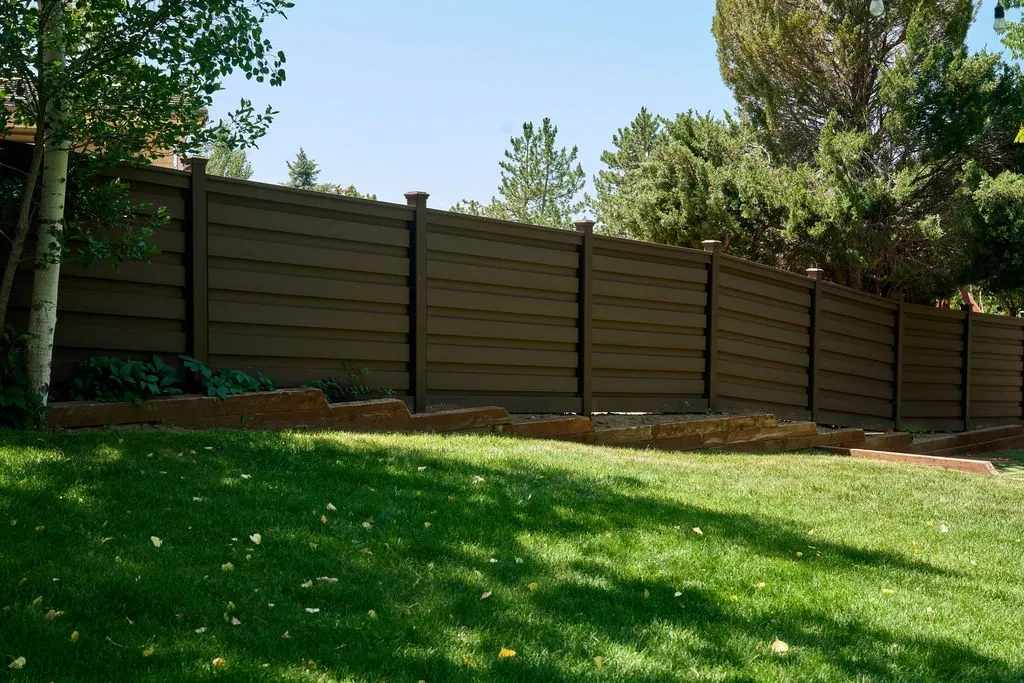
Across Charlottesville, business owners are starting to realize that commercial fencing is no longer just about drawing a boundary around a property. Fence placement, access control, and visibility now directly affect safety, customer experience, and daily operations. Many of these conversations begin when businesses explore local expertise through Top Rail Fence Charlottesville and discover that outdated fence layouts are limiting how their properties actually function.
The Shift Away From Traditional Fence Thinking
Business Properties Have Changed
Commercial properties today handle more foot traffic, delivery vehicles, and shared-use spaces than they did years ago. Rigid perimeter fencing that once worked for warehouses or office parks often creates bottlenecks now. This is why commercial fencing strategies are evolving to prioritize flow, safety, and flexibility rather than simple enclosure.
Layout Mistakes Become Operational Problems
A poorly planned fence layout can interrupt parking circulation, complicate emergency access, or push customers toward unsafe entry points. Many businesses only recognize these issues after installation, when correcting them becomes disruptive and expensive. Rethinking commercial fence installation before breaking ground helps avoid these costly setbacks.
Why Fence Layout Matters More Than Ever
Security Without Obstruction
Modern commercial fencing must balance visibility with protection. Businesses want to deter trespassing without creating blind spots that make employees or customers feel unsafe. Fence height, spacing, and gate positioning all influence how secure a property feels in real-world use.
Customer Experience Starts Outside
For retail centers, medical offices, and hospitality properties, the fence is often the first physical interaction customers have with the site. A confusing fence layout can send the wrong message, making a business feel unwelcoming or difficult to navigate. Thoughtful fence installation improves first impressions while still maintaining security.
Common Fence Layout Issues Businesses Are Correcting
Misaligned Access Points
One of the biggest drivers behind redesigning commercial fencing is gate placement. Delivery zones, employee entrances, and customer walkways often overlap in older layouts. Adjusting these access points through smarter commercial fence installation improves efficiency and reduces risk.
Ignoring Future Growth
Many businesses regret installing fences that leave no room for expansion. Dumpsters, outdoor seating, equipment storage, or additional parking may be added later, forcing major changes. A flexible fence layout anticipates growth instead of reacting to it.
Planning Commercial Fencing With Purpose
Integrating Fencing Into Site Design
Effective commercial fencing is planned alongside parking, lighting, landscaping, and drainage. When fencing is treated as an afterthought, conflicts arise. Businesses that coordinate fence installation early avoid rework and achieve a cleaner, more functional property design.
Midway through planning, many owners review different commercial fencing options to see how materials and layouts can support both security and accessibility without compromising aesthetics.
Compliance and Liability Considerations
Fence placement also affects liability. Blocking fire lanes, emergency exits, or ADA pathways can expose businesses to fines or legal risk. Guidance from sources like Prime Secured's physical security recommendations highlights why perimeter planning is a critical part of overall risk management, not just a visual choice.
The Role of Professional Installation
Experience Prevents Costly Revisions
Businesses that work with experienced installers gain insights that go beyond measurements. Local knowledge helps ensure commercial fence installation aligns with zoning expectations, traffic patterns, and long-term maintenance needs. This is one reason Top Rail Fence Charlottesville is often consulted during early planning rather than after problems arise.
Custom Solutions for Different Industries
A manufacturing facility, a school, and a retail plaza all require different commercial fencing approaches. The right fence layout depends on how people and vehicles move through the space each day. Custom planning ensures fencing supports operations instead of restricting them.
Long-Term Value of Rethinking Fence Layouts
Reduced Maintenance and Adjustments
When commercial fencing is installed with foresight, businesses spend less time adjusting gates, repairing damaged sections, or responding to access complaints. Strategic fence installation reduces wear by directing traffic naturally rather than forcing it.
Stronger Brand Presence
A well-designed fence communicates professionalism. Clean lines, logical access points, and consistent materials reinforce brand credibility before customers even step inside. Businesses that rethink their fence layout often find that it enhances both security and perception.
Final Perspective
Businesses in Charlottesville are rethinking commercial fencing because they recognize that layout decisions directly affect safety, efficiency, and growth. Fence placement is no longer a minor detail but a strategic asset when done correctly. By approaching commercial fence installation with long-term use in mind, companies avoid costly mistakes and create spaces that function smoothly every day. If your business is evaluating its perimeter or planning a new project, connecting with Top Rail Fence Charlottesville can help ensure your fencing supports your operations now and into the future.