In Charlottesville, how you define your property line often reflects how your home is lived in, shared, and protected. From open yards designed for social gatherings to enclosed spaces built for quiet retreat, residential fencing plays a bigger role than many homeowners realize. Whether you are planning upgrades or evaluating your current setup, understanding what different fencing choices communicate can help you make smarter long-term decisions. Homeowners exploring residential fencing in the area often begin by reviewing local solutions offered by Top Rail Fence Charlottesville, especially when usage, layout, and neighborhood expectations all intersect.
How Fences Reflect Daily Life at Home
Fences and Lifestyle Patterns
Every fence tells a story about how a home functions. Families with children often prioritize enclosed yards that support outdoor play and safety, while homeowners who entertain frequently may lean toward designs that frame space without closing it off. Residential fencing is rarely just decorative. It signals how space is intended to be used, for whom it is intended, and the level of interaction a homeowner expects with neighbors and passersby.
In Charlottesville, where historic districts blend with modern developments, the balance between openness and separation matters. A carefully selected fence supports everyday routines while respecting the visual character of the area.
Yard Flow and Function
The way a fence is positioned also impacts how outdoor areas are used. Front-yard fencing often defines boundaries without limiting visibility, while backyard fencing typically focuses on privacy and control. Thoughtful fence installation helps ensure that walkways, gardens, patios, and driveways work together rather than feeling boxed in.
h2: Choosing Fences Based on Property Use
Homes Designed for Privacy
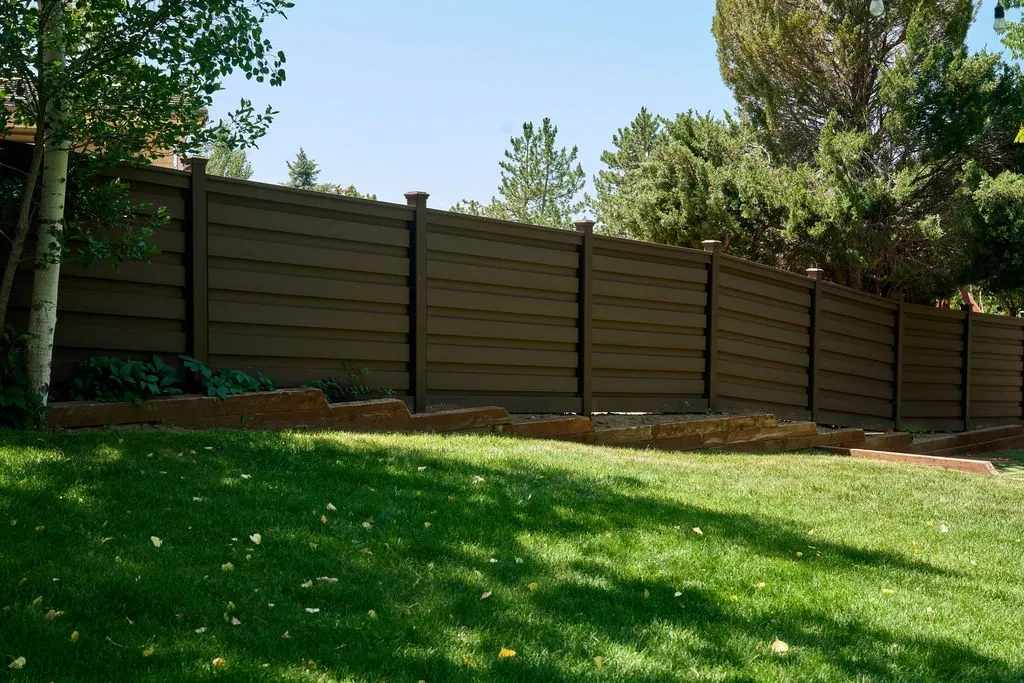
For homeowners who value quiet outdoor time, privacy fence installation is often the clearest signal of how the space is used. These fences create separation from nearby homes and streets, making yards feel like extensions of indoor living spaces. In neighborhoods with tighter lot lines, privacy-focused residential fencing can dramatically change how often and how comfortably outdoor areas are used.
Social and Open Living Spaces
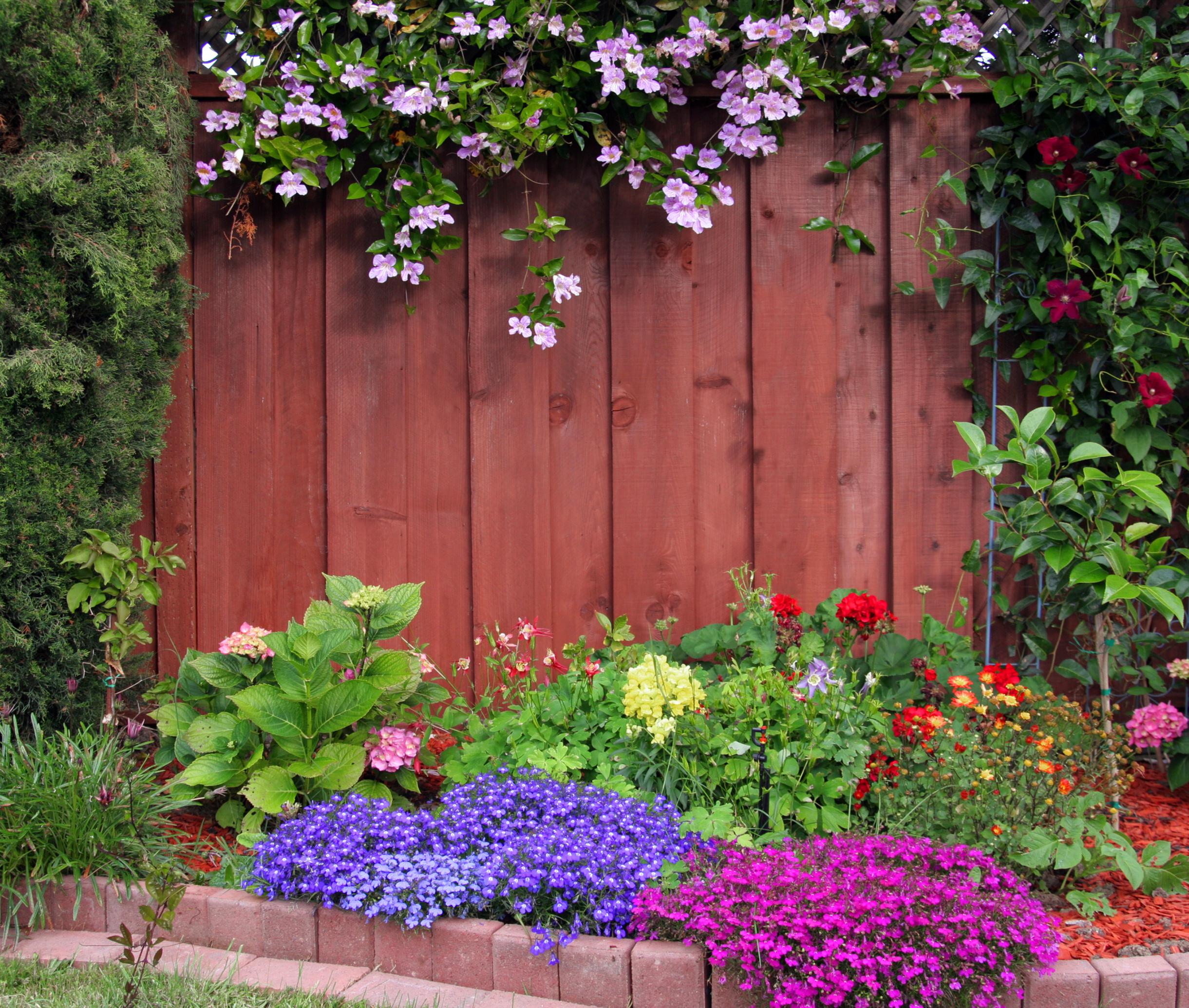
Not every home benefits from full enclosure. Some properties use fencing to guide movement rather than restrict it. Lower-profile designs and partially open styles indicate that the yard is meant for visibility and connection. These approaches are common in front yards or homes that emphasize curb appeal and community presence.
Homeowners working with Top Rail Fence Charlottesville often evaluate how their fencing choices align with daily habits rather than just aesthetics, ensuring the final design supports how the home is actually lived in.
Practical Considerations Beyond Appearance
Durability and Maintenance Expectations
The way a home is used also influences material selection. High-traffic yards, pets, and frequent gatherings all place demands on fencing systems. Well-planned residential fencing accounts for wear, maintenance expectations, and long-term performance. Selecting the right materials during fence installation reduces future repairs and preserves visual consistency over time.
Local Guidelines and Compliance
In Charlottesville, fencing choices are also shaped by local zoning and neighborhood guidelines. Height restrictions, setback rules, and placement standards can affect what is allowed. Homeowners should review local regulations before installation, and resources like the City of Charlottesville’s zoning guidance provide clarity on fence-related requirements. Consulting these guidelines early helps ensure that fences for homes meet both functional and legal expectations.
How Fence Placement Shapes Perception
Front Yard Boundaries
Front-yard fencing often communicates how a homeowner engages with the surrounding neighborhood. Subtle boundaries suggest openness, while more defined enclosures indicate a preference for separation. Even when minimal, front-yard residential fencing establishes a clear transition between public and private space.
Back and Side Yard Uses
Side and backyard fences are more closely tied to function. These areas are where homeowners invest in privacy fence installation, pet containment, and outdoor amenities. Strategic placement enhances usability without making spaces feel confined.
Homeowners exploring different approaches to fences for homes often review design inspiration and practical options available through fence styles and materials to better align structure with purpose.
Making the Right Long-Term Choice
Matching Fence Design to Household Needs
A fence should support how a household evolves. What works for a quiet couple may not suit a growing family or a home that becomes a frequent gathering place. Residential fencing that adapts to changing needs adds long-term value and reduces the likelihood of costly replacements.
Professional Guidance Matters
Proper fence installation ensures that design intent translates into lasting performance. Working with experienced professionals helps homeowners navigate layout decisions, material selection, and compliance requirements. Many Charlottesville residents rely on Top Rail Fence Charlottesville for guidance that balances practical use with visual harmony, especially when homes serve multiple functions.
Conclusion
Your fence does more than mark the boundaries of your property. It reflects how your Charlottesville home is used, how it connects to the neighborhood, and how outdoor spaces support daily life. From open designs that welcome interaction to enclosed solutions that prioritize retreat, residential fencing communicates purpose through form and placement. When thoughtfully planned, it enhances usability, comfort, and long-term value. If you are considering updates or new fences for homes, connecting with Top Rail Fence Charlottesville can help ensure your fencing choices truly align with how your home is lived in today and tomorrow.