Aluminum fencing has become one of the most adaptable choices for property owners in Charlottesville, especially in areas where elevation changes from one block to another. While aluminum is known for strength, adaptability, and clean curb appeal, elevation differences can influence airflow, visibility, stability, and long-term durability. For homeowners comparing options, understanding how terrain impacts aluminum fence installation helps you make better decisions for performance and longevity.
Many neighborhoods in Charlottesville sit on rolling hills and sloped streets. These conditions affect how fences respond to wind, water movement, soil compaction, and daily wear. With the right planning and product type, slopes don’t have to become a barrier. This is where the expertise of Top Rail Fence Charlottesville becomes essential.
Below, we explore how elevation plays a role in fence performance and what design features matter most.
Choosing the Right Aluminum Fence Style for Elevated Lots
Every property is different, but elevated homes must consider how fence style interacts with slope, grade, and surface water. While aluminum fence installation adapts well to uneven terrain, choosing the right system ensures smoother alignment and fewer maintenance issues.
Understanding How Terrain Impacts Stability
Even slight elevation changes affect how posts settle over time. Homes positioned near the top of a slope often experience soil shifting during heavy rains, which can influence the structural alignment of posts. Products like aluminium slat fencing or aluminum privacy fence handle these shifts differently, depending on spacing and panel design. You can review elevation and soil structure information through resources like the USDA Soil Data Guide.
When Terraced Design Becomes Necessary
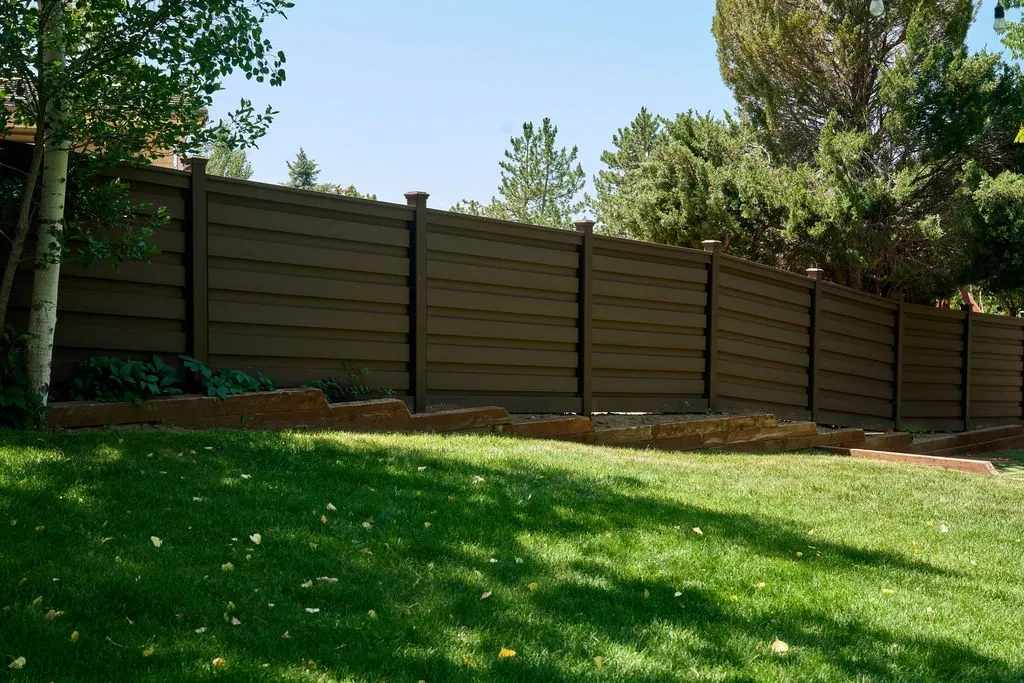
Racked or stepped installation methods are often required for elevated properties. For homeowners who prefer a uniform, modern look, aluminium slat fencing works well because it can follow slopes more naturally without creating large gaps. Meanwhile, decorative options such as an aluminium picket fence may require stepped installation if grade changes are steep.
Top Rail Fence Charlottesville helps homeowners compare these methods so the final result maintains both appearance and strength.
Elevation and Its Impact on Wind Exposure
Elevation directly affects wind patterns, particularly for homes on hillsides or ridgelines. Aluminum performs well in windy environments, but your property’s position can affect panel movement, post tension, and long-term straightness.
Airflow Differences on High Lots
Properties located higher than the surrounding area may face stronger wind pressure. In these locations, a style like an aluminum privacy fence creates a shield that limits airflow. However, this also means the fence absorbs more wind force. In contrast, more open designs, such as an aluminium picket fence, allow air to pass through, reducing strain.
Blending Aesthetic Needs with Performance
Many elevated homes enjoy scenic views. If visibility is important, fencing with spaced pickets helps preserve the landscape while still providing boundary security. On the other hand, if privacy from lower-elevation neighbors is a priority, an aluminum privacy fence may be the ideal fit despite the increased wind load.
Drainage Considerations for Sloped Yards
Drainage is one of the biggest concerns for aluminum fencing in sloped areas. Water naturally travels downhill, and this affects soil stability, post depth, and hardware longevity.
How Water Flow Affects Fence Footing
Poor drainage causes soil movement, which can lead to leaning posts. With proper aluminum fence installation, deeper footings and gravel bases help encourage water dispersion. This is especially important for slat-style systems like aluminium slat fencing, which benefit from strong, reinforced foundations on sloped ground.
Preventing Water Scour and Soil Washout
Homes in certain Charlottesville neighborhoods experience runoff during heavy storms. Strategic placement of the fence, combined with adequate footing depth, prevents erosion near the base.
Top Rail Fence Charlottesville frequently assists homeowners with these assessments to ensure maximum longevity.
Design Adjustments for Uneven Ground
Elevation doesn’t just influence drainage and wind; it also changes how the fence meets the ground.
Minimizing Gaps on Steep Grades
Gaps at the bottom of a fence are common on slopes, especially with open designs. For families with pets or small children, these gaps can be an issue. Slat-based solutions like aluminium slat fencing provide excellent ground coverage on slopes without creating awkward steps.
Avoiding Panel Distortion
Incorrect installation on steep slopes can bend or warp panels over time. Choosing racked panels for sloped terrain prevents unnecessary strain. Combined with professional installation, this ensures long-term visual appeal and consistency across the property.
Why Professional Installation Matters More on Elevated Properties
Installing fencing on flat ground is simple compared to elevated properties, where accuracy, measurement, and slope alignment become a precise craft. This is where homeowners truly benefit from professional support.
Top Rail Fence Charlottesville uses materials, fasteners, and installation techniques that account for complex grade changes, giving your fence a longer lifespan and stronger performance.
For assistance or to schedule a property evaluation, you can reach the team directly through the Contact Us page.
Aluminum Fence Elevation FAQs
How does slope affect aluminum fence installation?
Slopes influence post depth, alignment, and panel style. Racked panels are preferred for smooth slope transitions, while stepped designs work for sharp grade changes.
Which aluminum fence style works best on hillsides?
Slat systems such as aluminium slat fencing adapt best to slopes. They reduce gaps and maintain consistent visual lines without creating uneven spacing.
Is aluminum a better option than wood for elevated properties?
Yes. Aluminum resists warping, moisture changes, and soil movement better than wood, making it suitable for hillside properties with significant elevation changes.