A well-planned wood fence installation adds privacy, structure, and natural beauty to any property in Charlottesville. Yet not every fence ages the same way. Two homes on the same street can see completely different results depending on how much sunlight the fence receives, whether the yard sits on a slope, and what type of soil surrounds each wood fence post.
Homeowners who work with Top Rail Fence Charlottesville often discover that understanding terrain is just as important as choosing the right style. From the way a wood privacy fence panel weathers in direct sun to how moisture collects at the base of posts on uneven ground, local conditions shape long-term performance.
The Role of Sun Exposure in Fence Aging
Sunlight is one of the most powerful influences on wood. In Charlottesville, where summers bring extended UV exposure, fences positioned in open yards weather differently than those shaded by trees or nearby structures.
Direct Sun and Surface Fading
A wood privacy fence panel exposed to full sun throughout the day will gradually lighten. UV rays break down surface fibers, softening the original color. While some homeowners appreciate this weathered appearance, others prefer to maintain richer tones through staining and sealing as part of routine wood fence maintenance.
Consistent UV exposure can also dry out boards more quickly, increasing the likelihood of minor cracking. A properly executed wood fence installation accounts for these changes by using high-quality lumber and allowing for natural expansion and contraction.
Partial Shade and Moisture Retention
Fences located under tree cover experience slower fading but may retain moisture longer after rainfall. While shade protects against intense sun exposure, it can increase the risk of mildew if airflow is limited. Balanced site planning helps prevent prolonged dampness around each wood fence post.
How Slope Influences Structural Stability
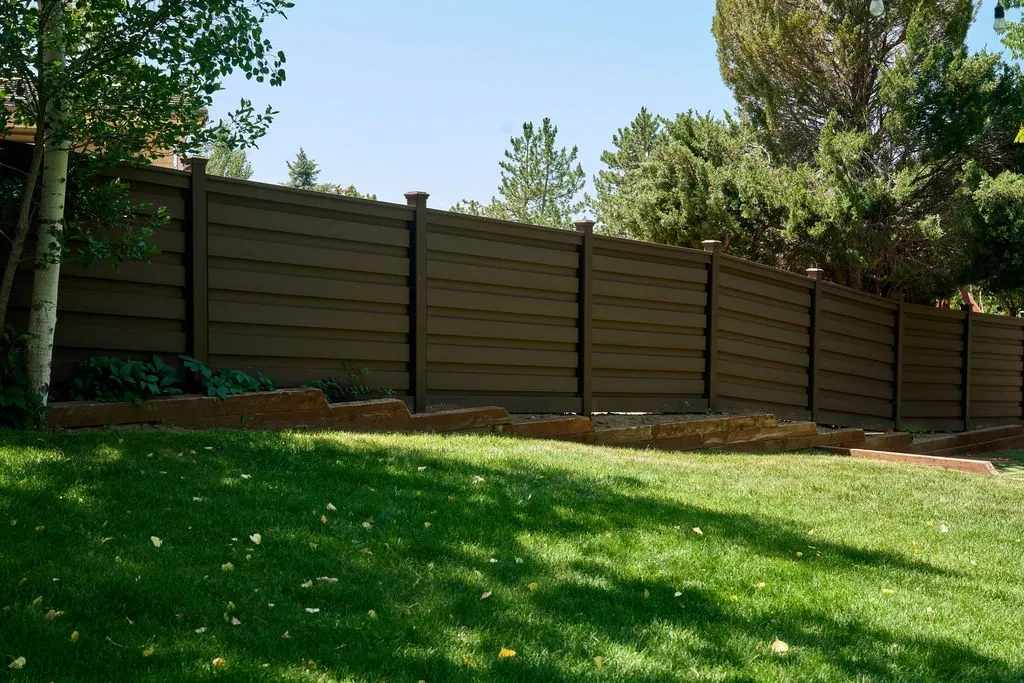
The rolling landscape common in parts of Charlottesville introduces another factor that affects how wood fencing ages. Sloped terrain changes drainage patterns and pressure distribution along fence lines.
Water Runoff and Post Longevity
On downhill sections, rainwater naturally flows toward the base of fence posts. If drainage is not properly addressed during wood fence installation, pooling water can accelerate deterioration around the wood fence post.
Professional installers often adjust footing depth and incorporate gravel bases to encourage water dispersion. This proactive approach significantly reduces the risk of leaning or rotting over time.
Panel Alignment on Uneven Ground
A wood privacy fence panel installed along a slope must either follow the grade or step down in sections. Improper alignment can create stress points where rails meet posts. Over time, this stress may cause warping or fastener loosening.
Careful planning during installation ensures that slope transitions do not compromise structural integrity. Homeowners exploring different design approaches can review examples in the wood fencing blog section to better understand how terrain affects layout.
Soil Composition and Its Long-Term Impact
Soil type varies across Charlottesville, and each variation influences fence durability.
Clay-Heavy Soil and Expansion
Clay soils expand when wet and contract during dry periods. This movement places repeated pressure on each wood fence post, potentially shifting alignment over time. Deeper footings and reinforced installation methods reduce the effects of soil movement.
Sandy or Well-Drained Soil
Sandy soil drains quickly, minimizing prolonged moisture contact. However, it may require deeper settings to ensure posts remain firmly anchored. During wood fence installation, soil testing and assessment help determine the correct approach for stability.
For additional insight into soil and drainage best practices, resources such as the Extension Foundation offer helpful information on managing moisture around outdoor structures.
Maintenance Strategies Based on Environment
Because sun, slope, and soil each influence aging, wood fence maintenance should reflect those specific conditions.
Adjusting Care for Sun-Exposed Fences
Fences in direct sunlight benefit from periodic staining with UV-resistant products. Reapplying protective coatings every few years preserves both color and structural strength.
Monitoring Moisture-Prone Areas
In shaded or low-lying sections of the yard, inspect the lower edge of each wood privacy fence panel for signs of moisture damage. Clearing debris and improving airflow reduces the likelihood of decay.
Reinforcing High-Stress Posts
Posts located at the bottom of slopes or in clay-heavy soil deserve extra attention. Checking alignment annually allows homeowners to address small shifts before they become major repairs.
Homeowners who rely on Top Rail Fence Charlottesville receive guidance tailored to the specific terrain of their property, ensuring that every wood fence installation is built to perform under local conditions.
Designing for Long-Term Performance
Understanding how the environment shapes aging allows homeowners to plan more effectively. Fence height, panel style, and post spacing should align with the property’s sun exposure and grade.
For example, a tall wood privacy fence panel on a wind-exposed hillside may require reinforced rails and secure fastening systems. On flatter ground with balanced sun exposure, simpler configurations may perform equally well.
By anticipating how environmental forces interact with materials, homeowners protect both visual appeal and structural reliability.
Why Professional Planning Matters
Terrain variables are rarely visible from the street, yet they determine how fencing holds up year after year. Properly setting each wood fence post, accounting for drainage, and selecting suitable lumber types are decisions best made with experience.
Top Rail Fence Charlottesville approaches every project with a site-specific strategy. From evaluating slope and soil to advising on appropriate wood fence maintenance, their expertise helps homeowners avoid premature wear.
If you are considering a new fence and want to ensure it withstands the sun, slope, and soil conditions unique to Charlottesville, professional guidance makes all the difference. Visit the Contact Us page to schedule a consultation and plan a fence built for lasting performance in every season.