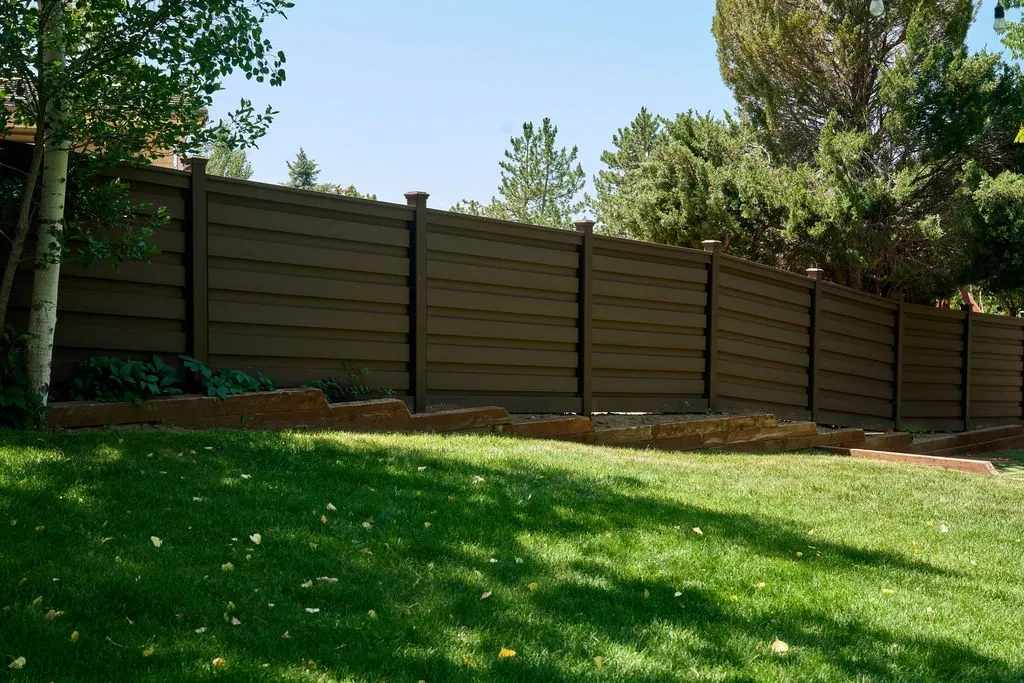
In Danbury, land ownership rarely follows clean, uninterrupted lines. Many properties are divided into irregular parcels shaped by historic use, zoning changes, and natural terrain. This reality is pushing landowners to rethink how field fencing should function, not just as a divider, but as a flexible boundary solution that adapts to uneven layouts. Property owners exploring options often start by reviewing local fencing solutions available in Top Rail Fence Danbury, where layout-specific planning plays a major role in long-term fence performance.
Unlike suburban fencing, field fencing must accommodate slopes, tree lines, drainage paths, and shared access points. In agricultural and semi-rural areas around Danbury, fencing is no longer just about marking property edges. It must support land use, livestock movement, and ongoing maintenance without constant repairs.
Understanding Why Parcel Shapes Matter More Than Fence Length
Traditional fencing strategies assume straight runs and uniform spacing. That approach fails when land parcels bend around wetlands, stone walls, or conservation buffers. Field fencing in these environments requires careful alignment that respects property contours while maintaining structural consistency.
Irregular parcels also affect post spacing and tension. A straight-line setup can place excess stress on corners, increasing the risk of leaning or wire fatigue. When agricultural fencing follows the natural shape of the land, it distributes load more evenly and reduces long-term maintenance demands.
How Land Use Influences Fence Design Choices
Not all fields serve the same purpose. Some parcels support grazing, others protect crops, and some simply define boundaries between neighboring landowners. Each use changes how field fencing should be designed.
Balancing Visibility and Containment
Open visibility is often essential in multi-parcel layouts. Landowners need to see across property lines without creating visual barriers. Wire-based field fencing allows clear sightlines while still defining boundaries. This approach is especially valuable where parcels meet wooded edges or shared access roads.
Adapting to Soil and Drainage Conditions
Soil composition varies widely across Danbury, especially where land parcels intersect older farmland and residential development. Areas with softer ground may require deeper posts or reinforced footings during fence installation. Ignoring these variations can lead to premature sagging or shifting, especially after seasonal freeze-thaw cycles.
Wire Configuration Plays a Bigger Role Than Most Expect
When parcels vary in width and shape, wire tension becomes critical. Poorly planned fence wire installation can cause uneven pull across long runs, leading to weak points near corners and gates.
High-tensile wire systems perform well in these scenarios because they allow gradual adjustments without dismantling large sections. This flexibility makes them ideal for field fencing that must follow non-linear boundaries while maintaining consistent strength.
Landowners often overlook how wildlife movement affects wire placement. In areas bordering wooded corridors, spacing adjustments help reduce damage caused by deer or smaller animals passing through boundary lines.
Installation Strategy Matters More Than Materials Alone
Even the best materials fail if installation does not account for parcel complexity. Successful field fencing projects begin with layout mapping rather than post setting. Measuring elevation changes, identifying natural stopping points, and planning anchor posts first improves overall stability.
Many property owners integrate agricultural fencing with access control features like movable gates or removable sections. These additions allow flexibility for equipment access across irregular parcels without compromising boundary integrity. In these cases, professional field fencing solutions are often tailored to match land use rather than forcing standardized layouts.
Long-Term Maintenance in Fragmented Landscapes
Patchwork parcels create unique maintenance challenges. Fence lines may cross multiple soil types or exposure zones, requiring different upkeep strategies along the same run. Field fencing that adapts to these transitions holds up better over time.
Routine inspections should focus on corner posts and transition points where parcel direction changes. These areas experience the most stress and are often where early failure begins. Proper fence installation anticipates these pressure zones and reinforces them from the start.
According to land management guidance from the USDA Natural Resources Conservation Service, flexible wire fencing systems are among the most effective solutions for agricultural land with irregular boundaries, especially when combined with terrain-aware planning.
Why Local Expertise Makes the Difference
Every fencing project reflects the land it protects. In Danbury, where parcels tell a story of evolving land use, generic solutions often fall short. Working with professionals familiar with local terrain ensures that field fencing aligns with zoning requirements, environmental considerations, and future land use plans.
Property owners who partner with Top Rail Fence Danbury benefit from layouts designed around real-world parcel challenges rather than idealized diagrams. This approach reduces costly revisions and extends fence lifespan, even as land use changes over time.
Planning for Future Parcel Changes
Subdivision, conservation easements, and property transfers continue to reshape land boundaries across Danbury. Modern field fencing must anticipate these shifts. Modular designs and adjustable wire systems allow sections to be reconfigured without full replacement.
This adaptability is especially valuable for agricultural land transitioning toward mixed-use purposes. Thoughtful fence wire installation today can prevent extensive redesigns tomorrow.
Making the Right Choice for Your Property
Choosing the right field fencing strategy starts with understanding how your land behaves as a whole. Parcel shape, soil variation, and long-term use all influence what works best. When these factors are addressed early, fencing becomes a durable asset rather than an ongoing expense.
For property owners ready to align boundary solutions with real land conditions, consulting with Top Rail Fence Danbury provides clarity and confidence. If you’re planning a project or reassessing existing boundaries, reaching out through the Contact Us page is the next logical step toward a solution built for your land, not against it.