When property owners in Danbury begin planning out long-term agricultural fencing, they’re usually trying to balance durability, livestock safety, cost, and the realities of weather over the years. Unlike residential fencing, farm barriers face constant strain from large animals, shifting soil, and long property lines. Working with professionals such as Top Rail Fence Danbury helps landowners narrow down the right designs for both ranching needs and long-term maintenance expectations.
Choosing the right layout often involves combining traditional principles with modern agricultural fencing solutions that reduce replacement costs, keep livestock contained, and withstand years of environmental exposure.
Understanding the Main Farm Fence Styles Used Across Danbury
Different farms require different layouts, materials, and post systems. While the type of animal influences design, so do acreage, workflow, and how long the system must last before a full rebuild is necessary.
Board Rail Systems for Horses and Smaller Acreage
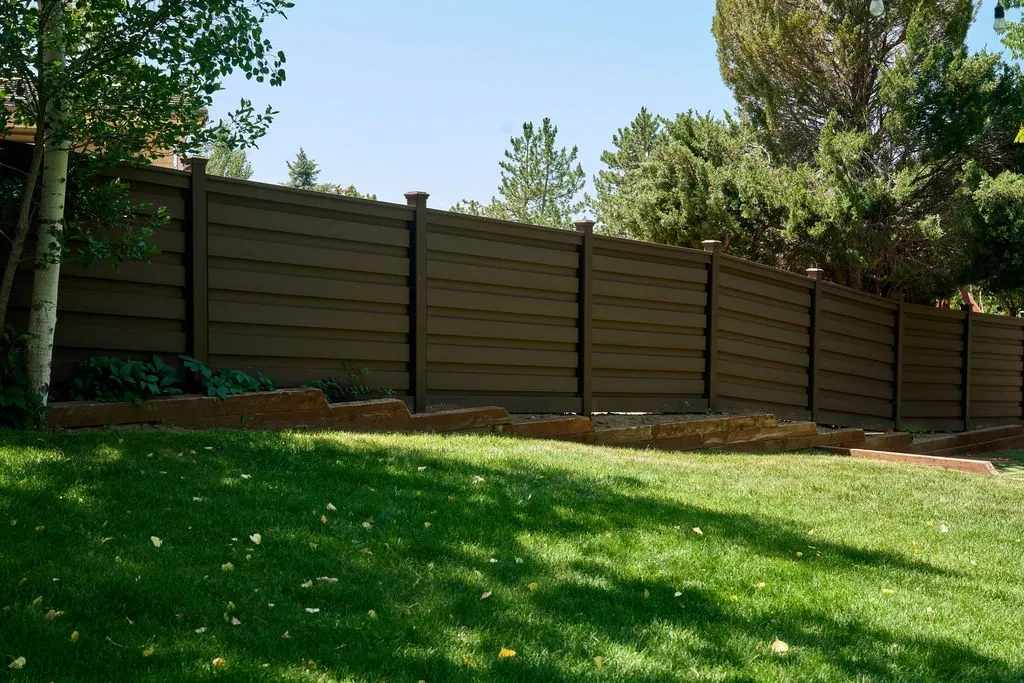
Wood or composite board rail fencing remains one of the most visually appealing and dependable systems for horse owners. Boards offer maximum visibility, reducing the chance of injury from startled runs. Combining board styles with reinforced posts provides stability that holds up well during high winds or shifting soil.
Board fencing is often supported with professional fence installation, ensuring consistent spacing, solid anchoring, and proper bracing across uneven terrain.
High-Tensile Wire for Large Fields and Rotational Grazing
High-tensile configurations are popular for cattle and rotational-grazing farms that need strong, low-maintenance boundaries. The wires can be electrified when needed and tightened periodically to maintain tension. These systems are valued for their long lifespan and ability to stretch across large distances with fewer posts than other setups.
The choice between smooth and barbed wire depends on animal behavior and landowner preference. Property owners can learn about variations while exploring the agricultural fencing page, which outlines common systems built for livestock-heavy properties.
Woven Wire for Multi-Animal Farms
Woven wire fencing is a preferred choice for farms that keep goats, sheep, or mixed livestock. Its tight grid prevents animals from pushing through or slipping under, making it more secure than single-strand systems. Landowners in Danbury often pair woven wire with treated wooden posts or steel T-posts to increase lifespan and reduce movement during seasonal temperature shifts.
For more details on material comparisons, check out these external sources on fence material considerations, which outline how agricultural systems differ from backyard fencing.
What Influences Long-Term Decisions for Agricultural Fence Planning?
Cost and Material Availability
Budget remains one of the biggest deciding factors for agricultural fencing. Material prices vary depending on the type of wire, the height of the fence, the number of gates, and the total acreage required. Landowners typically work closely with professionals to identify the most durable option within budget while still meeting livestock safety standards. In Danbury, the availability of pressure-treated posts and reinforced rail materials often determines the final choice.
Durability and Soil Conditions
Durability is essential because farm fences endure continuous pressure, chewing, leaning, rubbing, and weather. Soil composition in certain areas of Danbury may require deeper posts or stronger bracing to prevent leaning over time. Whether the system includes wood, wire, or composite materials, proper anchoring during fence installation prevents early failure and costly repairs later.
Maintenance Requirements
Every farm fencing system requires upkeep, but the type of upkeep differs. High-tensile systems need occasional tightening, board fencing may require repainting or replacement boards, and woven wire may need re-stapling after storms. The goal for most agricultural setups is to minimize annual repairs without compromising safety or containment. Many farms rely on Top Rail Fence Danbury for ongoing inspections that help identify weak spots before they become critical failures.
Safety for Animals and Workers
Animal safety is a top priority, especially for farms with horses, dairy cows, and sheep. Visibility, spacing, and smooth materials help prevent injury. Wire-based fencing is effective but must be installed with proper tension and spacing to avoid entanglement. The right choice often depends on which livestock roam closer to property boundaries or frequently move between paddocks.
Environmental Conditions and Seasonal Shifts
Because Danbury experiences moisture-heavy seasons, material selection matters. Treated wood, galvanized wire, and UV-resistant composites tend to last longest. Proper drainage and slope planning also ensure the fence holds up through freeze-thaw cycles and heavy rain.
Bringing It All Together: Choosing the Best Agricultural Fence System
The best choice for agricultural fencing comes down to combining durability, practicality, and animal safety. Whether landowners select board rail for horses, woven wire for sheep, or high-tensile systems for cattle, the goal is long-term reliability with minimal disruption. The experience of Top Rail Fence Danbury helps ensure each property gets a system tailored to terrain, livestock behavior, and maintenance expectations. Most owners finalize their plans after a consultation arranged through the Contact Us page, where they can schedule an estimate and discuss materials in detail.
Agricultural Fence FAQs
What type of agricultural fencing lasts the longest?
High-tensile wire and woven wire systems typically last the longest due to their resistance to stretching, pests, and weather impact. Treated posts also increase lifespan significantly.
What is the safest fence for horses?
Board rail fencing is the safest because it offers high visibility and reduces impact injuries.
Should agricultural fences be electrified?
Electrification is optional but useful for reinforcing boundaries for large livestock such as cattle, especially along long acreage lines.
How often should farm fences be inspected?
Annual inspections are recommended, as well as post-storm checks to identify sagging wires, loose posts, or gate misalignment.