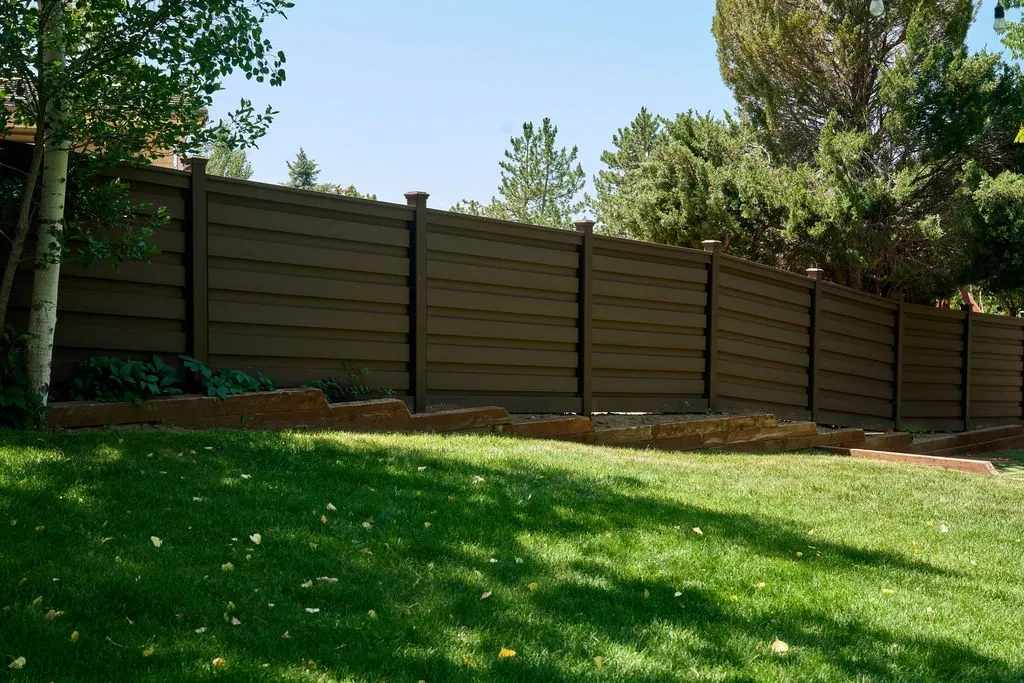
Across Danbury, small-scale livestock properties are becoming more common as landowners blend residential living with light agricultural use. Goats, chickens, sheep, and even small cattle operations now sit closer to homes, neighbors, and public roads. This shift has changed how livestock fencing is planned, designed, and installed. Many property owners start by reviewing local solutions on Top Rail Fence Danbury to understand what works best in mixed-use environments.
Unlike large rural farms, these properties demand fencing strategies that balance animal safety, property aesthetics, and long-term durability. Standard approaches often fall short when applied to smaller, more complex land layouts.
Why One-Size-Fits-All Fencing No Longer Works
Traditional livestock fencing was designed for expansive farmland with clear boundaries and minimal neighboring structures. In Danbury, parcels are often irregular, sloped, or bordered by residential lots, making generic solutions ineffective.
Smaller properties require fencing that adapts to tight corners, shared boundaries, and varied terrain. This is where thoughtful fence installation becomes essential, ensuring animals stay contained without creating visual or functional issues for nearby properties.
Understanding Livestock Behavior on Smaller Properties
Animals behave differently when confined to a limited space. Crowding, frequent movement, and curiosity can put added pressure on fencing systems.
Containment Without Overbuilding
Overly rigid fencing can lead to injuries, while weak fencing invites escapes. Effective livestock fencing finds a balance between strength and flexibility. Wire spacing, post depth, and tension all matter more in compact properties where animals interact with fences more frequently.
For example, goats require tighter spacing and stronger reinforcement than poultry, while sheep need visibility without gaps that invite pushing or leaning.
Adapting to Mixed Animal Setups
Many small-scale properties house multiple animal types. Designing farm fencing that accommodates varied sizes and behaviors prevents the need for constant upgrades. Modular systems allow adjustments as livestock needs change.
Electric Options for Modern Livestock Management
Electric solutions are increasingly popular for smaller parcels due to their adaptability.
When a Livestock Electric Fence Makes Sense
A livestock electric fence offers effective containment without heavy materials. It works particularly well as a secondary barrier or rotational grazing tool. On small properties, electric fencing can redirect animal movement while preserving open sightlines.
However, electric systems require proper grounding and consistent power. Poor setup reduces effectiveness and can stress animals rather than guide them.
Property owners often combine traditional livestock fencing with electric strands for added control, especially along sensitive boundaries.
Guidance from organizations like the University of Connecticut Extension highlights best practices for safe and humane livestock fencing in suburban-agricultural settings.
Installation Challenges Unique to Danbury Parcels
Soil composition, slope, and drainage vary widely across Danbury, directly affecting fence performance.
Post Stability and Soil Conditions
Improperly set posts lead to sagging lines and frequent repairs. Professional fence installation accounts for frost depth, moisture retention, and load stress. On small properties, every post placement matters because adjustments are harder once animals are present.
Correct post spacing also supports efficient fence wire installation, ensuring consistent tension without overloading materials.
Navigating Property Lines and Access Points
Gates, driveways, and shared access areas add complexity. A well-planned livestock fencing layout integrates gates that allow equipment access while preventing escapes. On compact parcels, gate placement often determines how functional the entire fence system becomes.
In the middle of many planning discussions, landowners explore how professional agricultural fencing solutions can be adapted to smaller properties without sacrificing effectiveness.
Long-Term Maintenance Considerations
Small-scale operations often rely on owners for daily maintenance. Fencing systems must be manageable without specialized equipment.
Wire tension checks, insulator replacements, and post inspections should be straightforward. Durable farm fencing materials reduce the need for frequent intervention, saving time and effort over the years.
Many property owners working with Top Rail Fence Danbury prioritize systems that balance durability with ease of upkeep, especially when fencing runs close to residential structures.
Planning for Growth and Flexibility
Livestock needs to change. New animals, different grazing patterns, or expanded enclosures may be required over time.
Flexible livestock fencing systems allow incremental expansion rather than full replacement. Designing with future adjustments in mind prevents costly redesigns and disruptions.
Why Professional Guidance Matters
While DIY fencing may seem appealing, mistakes are amplified on small properties. Improper alignment, weak corners, or poorly grounded electric lines can compromise safety quickly.
Professional fence installation ensures that livestock fencing meets current needs while remaining adaptable. Experienced installers understand how to work within zoning constraints and neighborhood expectations common in Danbury.
Landowners who consult Top Rail Fence Danbury often find that a tailored approach reduces long-term costs and improves overall property function.
A Smarter Approach to Small-Scale Livestock Fencing
Small livestock properties require thoughtful planning that goes beyond traditional farm models. Livestock fencing must contain animals, respect neighboring spaces, and adapt to changing needs over time.
By combining proper materials, strategic layout, and professional installation, property owners can create fencing systems that support animal welfare and property value alike. When you’re ready to plan or upgrade your fencing strategy, reaching out through the Contact Us page connects you with experts who understand the unique demands of small-scale livestock properties in Danbury.