As conservation initiatives expand across Danbury, new green corridors are reshaping how wildlife moves through residential and semi-rural neighborhoods. While these protected pathways support biodiversity, they also increase close encounters between homeowners and deer populations. As a result, deer fencing is no longer a niche solution. It has become a practical response for property owners who want to protect gardens, landscaping, and outdoor investments without disrupting the natural flow of wildlife.
Homeowners exploring effective options often begin by learning what works best locally. Many start with professional guidance through services available in Danbury, such as expert solutions offered by Top Rail Fence Danbury via their local fencing services page, which helps property owners evaluate terrain, deer behavior, and zoning considerations before committing to a solution.
Understanding How Wildlife Corridors Influence Deer Movement
Green corridors are designed to connect wooded areas, wetlands, and conservation land. In Danbury, these corridors frequently intersect with residential zones, giving deer easy access to backyards, gardens, and ornamental plants. This predictable movement pattern explains why traditional barriers often fail and why deer fencing has evolved into a more specialized system rather than a simple perimeter fence.
Why Deer Follow the Same Paths Repeatedly
Deer rely on memory and habit. Once a feeding route is established, they will return to it season after season. This behavior makes inconsistent barriers ineffective. A properly planned deer fence for garden protection accounts for jump height, visibility, and landing space, all of which influence whether a deer attempts to cross a boundary.
The Role of Height and Visibility in Deer Deterrence
Deer can easily clear short fences, especially if they can see a safe landing zone. Effective deer fencing solutions focus on height and visual disruption. Materials that reduce depth perception or create layered barriers are often more successful than solid walls or decorative fencing alone.
Choosing the Right Materials for Long-Term Protection
Selecting materials is where many homeowners make costly mistakes. Not all fencing products are designed to handle persistent wildlife pressure. Deer netting is often used as a flexible and cost-effective option, but it must be installed correctly to avoid sagging or gaps that deer can exploit.
When Deer Netting Makes Sense
For gardens and landscaped areas, deer netting works best when tensioned properly and supported by sturdy posts. It blends into the environment while still providing a physical barrier. This approach is especially useful for homeowners who want protection without altering the visual character of their property.
Why Fence Installation Quality Matters
Even the best materials fail without proper fence installation. Post depth, spacing, and ground conditions all affect durability. Poor installation often leads to leaning fences or openings near the ground, both of which invite deer intrusion. This is why many homeowners choose experienced installers who understand local soil conditions and wildlife behavior.
For broader property solutions, some homeowners integrate wildlife barriers alongside other perimeter systems. In these cases, learning more about residential fencing options can help align functional protection with overall property design.
Adapting Fence Design to Garden and Landscape Layouts
No two properties in Danbury are identical. Sloped yards, wooded edges, and water features all influence how deer fencing should be designed. A customized approach ensures that the fence works with the land rather than against it.
Protecting High Value Plantings
A targeted deer fence for garden areas focuses on protecting specific zones rather than enclosing an entire property. This approach is efficient and minimizes material use while still shielding vegetables, flowers, and young trees from browsing damage.
Blending Function With Aesthetics
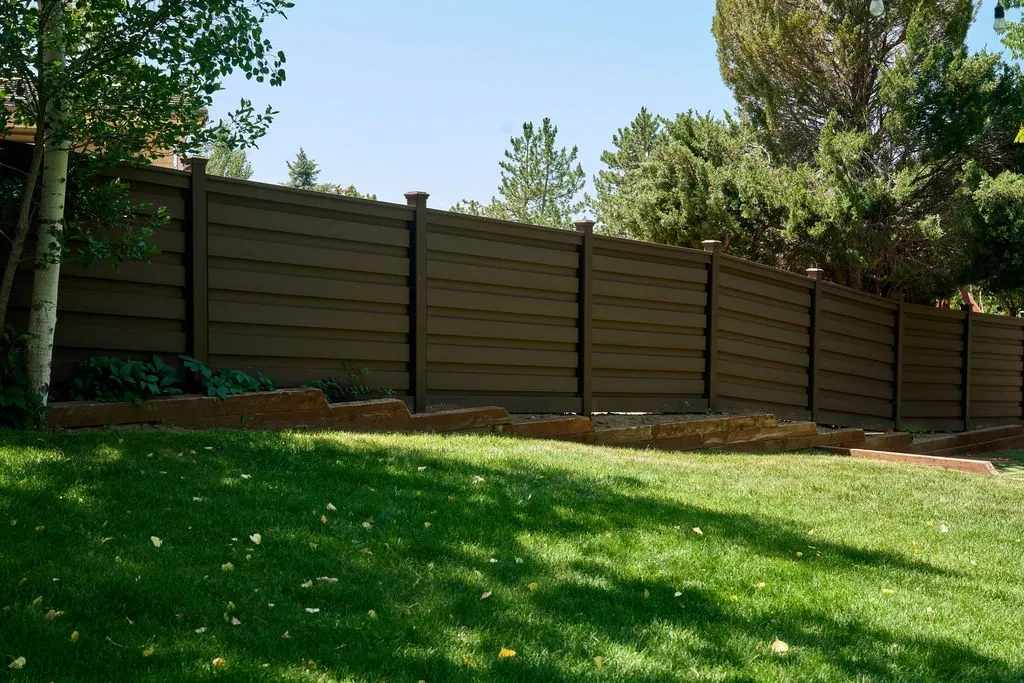
Modern deer fencing no longer has to look industrial. With the right materials and layout, fences can remain unobtrusive while delivering consistent protection. This balance is particularly important in neighborhoods where visual appeal and property value matter.
According to wildlife management guidance published by the Connecticut Department of Energy and Environmental Protection, exclusion fencing remains one of the most reliable non-lethal methods for reducing deer damage when properly installed and maintained.
Planning for Seasonal Changes and Maintenance
Deer behavior shifts with the seasons. In spring and summer, gardens attract feeding activity. In the fall, increased movement occurs during mating season. A durable deer fencing system is designed to perform year-round without constant adjustment.
Maintenance That Keeps Fences Effective
Regular inspections ensure posts remain stable and netting stays taut. Snow load, fallen branches, and ground movement can all compromise effectiveness if ignored. Ongoing care is a key part of making any fence installation a long-term success.
When to Reevaluate Your Setup
If deer continue to breach a barrier, it may be time to reassess height, layout, or materials. Adjustments are often more cost-effective than full replacements, especially when guided by professionals familiar with local conditions.
Moving Forward With a Smarter Wildlife Strategy
As Danbury continues to expand its green spaces, homeowners must adapt alongside the wildlife those spaces support. Thoughtful deer fencing allows property owners to protect what they value while respecting natural movement patterns.
Working with experienced professionals like Top Rail Fence Danbury ensures solutions are tailored, durable, and compliant with local expectations. If you are ready to explore options that fit your property and landscape goals, scheduling a consultation through the Contact Us page is a practical next step.
With the right approach, deer netting, strategic design, and expert fence installation can coexist with conservation efforts, giving homeowners peace of mind without compromising the environment.