Homeowners across Des Moines often notice that vinyl fencing in suburban neighborhoods seems to age differently than fencing installed in nearby rural areas. Even when the same materials are used, environmental context plays a major role in how well a fence holds up over time. Understanding these differences helps property owners make smarter decisions when planning vinyl fence installation.
From soil composition to surrounding infrastructure, suburban and rural settings expose fences to very different conditions. Those variations directly affect how vinyl fence installation should be approached for long-term performance.
Environmental Factors That Shape Fence Longevity
Soil Composition and Ground Stability
Suburban developments in Des Moines typically sit on compacted soil that has been graded and engineered during construction. This creates a more predictable foundation for posts, which supports consistent vinyl fence installation outcomes.
In contrast, rural properties often have looser soil with organic matter, uneven density, or hidden moisture pockets. These conditions can shift over time, placing stress on posts and rails even when premium materials are used.
Drainage Patterns Around the Property
Stormwater management is usually well planned in suburban neighborhoods. Curbs, storm drains, and grading help direct water away from fence lines.
Rural properties may rely on natural drainage, which can expose fencing to standing water or seasonal saturation. While vinyl fence materials resist moisture damage, poor drainage can still affect post stability if installation methods are not adjusted.
h2: Installation Context Makes the Biggest Difference
Precision Layouts in Suburban Yards
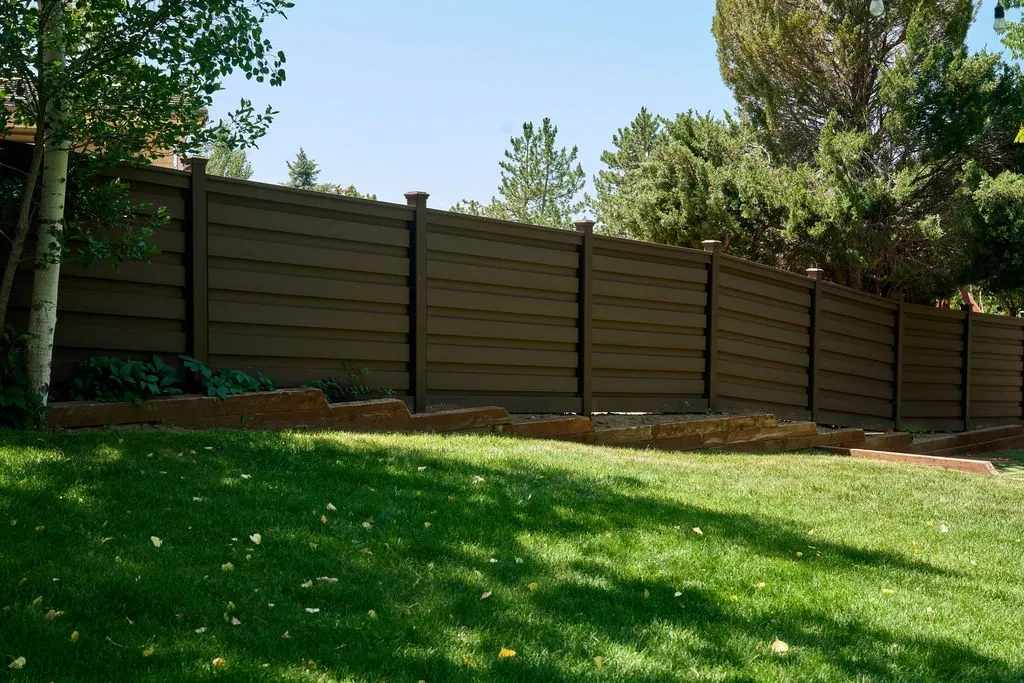
Suburban lots tend to have clearer property lines and fewer obstacles. This allows for straighter runs, consistent post spacing, and more uniform vinyl fence designs.
Installers can follow precise layouts that reduce stress on panels and joints. As a result, vinyl fence installation in suburban settings often appears more uniform years later.
Adaptability Required for Rural Installs
Rural installations frequently involve slopes, tree roots, and irregular boundaries. These challenges require flexible planning and customized spacing.
When vinyl fence installation adapts to natural terrain instead of forcing straight lines, the fence ages more evenly and resists premature wear.
Fence Styles Respond Differently to Location
Privacy Fences in Suburban Areas
Privacy fencing is common in suburban neighborhoods where homes are closer together. Solid panels block noise and visual distractions, making them a practical choice.
Because these fence styles experience consistent conditions along the fence line, aging tends to be uniform when installed correctly.
Open Fence Styles on Rural Properties
Rural homeowners often prefer open designs that preserve views and airflow. These fence styles allow wind to pass through, reducing pressure on panels during storms.
Open layouts also handle temperature changes more flexibly, which helps vinyl fence designs maintain alignment over time.
Climate Exposure and Daily Wear
Heat Retention Near Structures
Suburban fences are often installed near homes, driveways, and patios. These surfaces reflect heat, creating microclimates that affect how vinyl expands and contracts.
Professional vinyl fence installation accounts for this by allowing controlled movement at connection points.
Wind and Open Space in Rural Settings
Rural fences face stronger, more consistent winds due to open surroundings. While vinyl is flexible, constant wind exposure means posts must be anchored deeper to maintain stability.
Installations that fail to account for this difference may show leaning or uneven sections earlier than expected.
Why Design Choices Matter More Than Location Alone
Choosing the Right Vinyl Fence Designs
Not all vinyl fence designs perform the same in every setting. Taller panels may work well in suburbs but require reinforcement in rural environments.
Matching design to location ensures that vinyl fence installation remains durable regardless of surroundings.
Custom Adjustments During Installation
No two properties are identical. Experienced installers adjust post depth, spacing, and reinforcement based on site-specific conditions.
Maintenance Patterns in Suburban vs Rural Areas
Cleaning and Visibility
Suburban fences are more visible and often cleaned more regularly. Routine care helps homeowners spot minor issues early.
Rural fences may go longer between inspections, allowing small alignment problems to grow if left unaddressed.
Landscaping Interaction
Suburban landscaping is typically controlled and maintained. Rural vegetation can grow closer to fence lines, placing pressure on panels and posts.
Thoughtful vinyl fence installation accounts for future growth patterns.
Professional Standards and Material Performance
According to guidance on polymer building materials published by BuildingGreen, vinyl products perform best when installation methods are adapted to environmental conditions rather than applied uniformly.
This reinforces why location-specific planning is critical for long-term fence durability.
Why Local Expertise Matters
Understanding Des Moines Neighborhood Patterns
Installers familiar with Des Moines neighborhoods understand zoning layouts, soil conditions, and drainage patterns common to the area.
Homeowners working with Top Rail Fence Des Moines benefit from installation strategies refined through local experience.
Avoiding One-Size-Fits-All Installations
Rural and suburban properties demand different approaches. Applying the same layout rules to every project increases the risk of uneven aging.
Top Rail Fence Des Moines focuses on adapting each vinyl fence installation to the property rather than forcing standardized designs.
Planning Your Vinyl Fence Installation
Evaluating Property Context First
Before selecting materials or fence styles, homeowners should assess terrain, exposure, and surrounding structures.
This step ensures vinyl fence designs align with the property’s long-term needs.
Getting Expert Guidance
Professional consultation helps avoid costly adjustments later. Homeowners can start planning by reaching out through the Contact Us page to discuss location-specific installation strategies.
Final Thoughts on Fence Aging Differences
The way a fence ages is influenced more by context than by material alone. Suburban infrastructure and rural openness create different demands on vinyl fence installation, even within the same region.
By choosing experienced installers, selecting appropriate vinyl fence designs, and working with trusted professionals like Top Rail Fence Des Moines, homeowners across Des Moines can achieve durable, attractive fencing that performs well for years in any setting.