Homeowners in Des Moines experience dramatic temperature changes throughout the year, with hot summers, freezing winters, and frequent seasonal transitions. These shifts put constant pressure on outdoor materials, making vinyl fence durability a major consideration for residential properties.
Unlike wood or metal, vinyl responds differently to heat and cold. Understanding how temperature swings affect vinyl fence performance helps homeowners choose the right materials, layouts, and installation methods for long-term results.
How Vinyl Fence Materials React to Temperature Changes
Expansion During Heat Cycles
Vinyl naturally expands as temperatures rise. In summer months, vinyl fence panels and rails can grow slightly in length. This is normal behavior and part of how vinyl maintains flexibility instead of cracking under stress.
Professional vinyl fence installation accounts for expansion by allowing controlled movement within the fence system rather than forcing rigid connections.
Contraction in Cold Weather
During winter, vinyl contracts as temperatures drop. In Des Moines, extended cold snaps can cause noticeable tightening at joints if spacing is insufficient. Proper installation techniques prevent stress fractures by maintaining a balance between summer expansion and winter contraction.
This adaptability is one reason vinyl fence systems outperform many other materials in variable climates.
Why Temperature Swings Affect Fence Sections Unevenly
Sun Exposure Across the Property
Fence sections facing direct sunlight warm up faster and cool down more slowly than shaded areas. Over time, these differences can make some areas appear to age faster than others.
Strategic placement during vinyl fence installation minimizes visual inconsistencies caused by uneven heat exposure.
Wind and Airflow Patterns
Wind accelerates cooling during colder months and increases drying during summer heat. Sections near open yards or corners experience more temperature fluctuation than protected areas near structures.
Comparing Vinyl Fence Options for Temperature Resistance
Standard Privacy Vinyl Panels
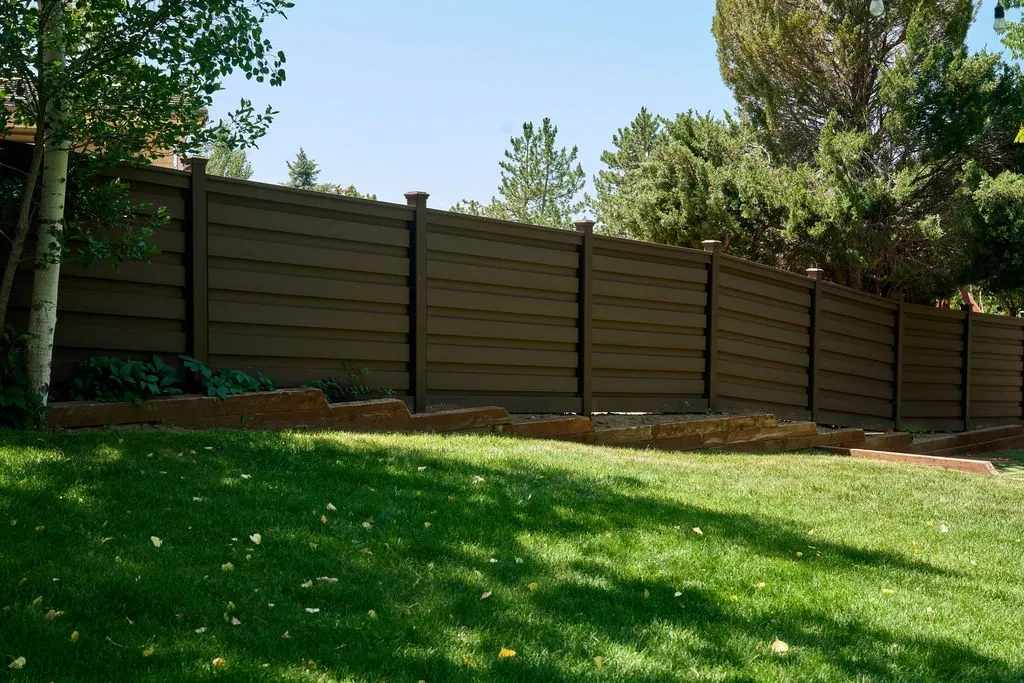
Solid privacy panels handle temperature swings well when properly reinforced. Their continuous structure distributes expansion evenly, reducing stress at individual connection points.
This makes them a strong option for homeowners prioritizing low maintenance and consistent appearance.
Vinyl Picket Fence Designs
A vinyl picket fence includes natural spacing between pickets, allowing more airflow and flexibility. This design adapts especially well to rapid temperature changes because individual pickets can move independently.
Picket styles are often recommended for front yards and open landscapes where appearance and durability must work together.
Reinforced Rail Systems
Some vinyl fence options include internal aluminum reinforcement. These systems maintain straight lines even during extreme temperature swings and are ideal for long runs or windy lots.
Installation Methods That Improve Long-Term Performance
Allowing for Thermal Movement
Quality vinyl fence installation never locks panels into rigid positions. Installers leave room for thermal movement so the fence adjusts naturally instead of resisting temperature changes.
This approach prevents cracking, bowing, and premature wear.
Post Depth and Anchoring
Temperature changes affect soil density over time. Proper post depth ensures the fence remains stable even as the ground expands and contracts seasonally.
Experienced installers account for frost depth and soil conditions common to Des Moines properties.
Hardware Selection
Fasteners and brackets must match the vinyl’s flexibility. Using compatible hardware reduces stress points and allows the fence system to move as a unified structure.
How Vinyl Fence Durability Compares to Other Materials
Vinyl Versus Wood
Unlike wood, vinyl does not absorb moisture, rot, or warp. While wood fencing reacts to both temperature and humidity, vinyl responds almost exclusively to temperature changes.
This makes vinyl more predictable and easier to maintain in climates with frequent weather swings.
Vinyl Versus Metal
Metal fences can become brittle in cold temperatures and extremely hot to the touch in summer. Vinyl fence materials remain safer and more comfortable across all seasons.
According to the material performance standards published by ASTM International, properly manufactured vinyl maintains structural integrity across wide temperature ranges.
Maintenance Considerations for Temperature-Stressed Vinyl
Cleaning Without Causing Thermal Shock
Cleaning vinyl during extreme heat or cold can cause sudden temperature changes on the surface. Mild weather is best for routine cleaning to avoid unnecessary stress.
Inspecting Seasonal Movement Points
Checking joints and rails after major temperature shifts helps catch small issues before they become structural problems.
Homeowners can request professional evaluations through the Contact Us page for peace of mind.
Why Professional Installation Makes the Difference
Local Climate Experience
Installers familiar with Des Moines weather patterns understand how temperature swings affect fence performance. This knowledge directly influences spacing, reinforcement, and layout decisions.
Homeowners working with Top Rail Fence Des Moines benefit from installation methods tailored specifically to regional conditions.
Long-Term Planning Over Short-Term Appearance
A fence that looks perfect on day one but lacks thermal flexibility may fail prematurely. Professional crews prioritize durability over temporary aesthetics.
This philosophy ensures vinyl fence systems maintain their appearance and strength for decades.
Final Thoughts on Vinyl Fence Durability in Des Moines
Temperature swings reveal why vinyl is one of the most reliable fencing materials for Midwest climates. Its ability to expand and contract without damage makes vinyl fence systems a smart investment for long-term residential use.
By choosing the right vinyl fence options, planning thoughtful layouts, and relying on experienced installers like Top Rail Fence Des Moines, homeowners gain a durable, low-maintenance fence that performs consistently through every season in Des Moines.