Many homeowners think of vinyl fencing as a clean, low-maintenance boundary line. What often goes unnoticed is how a fence can quietly reveal what is happening below the surface of your yard. In Des Moines, seasonal moisture shifts, clay-heavy soil, and freeze-thaw cycles all influence ground stability. Families who begin researching solutions through Top Rail Fence Des Moines frequently discover that a properly planned fence does more than define property lines. It also reflects how well the soil beneath it is performing.
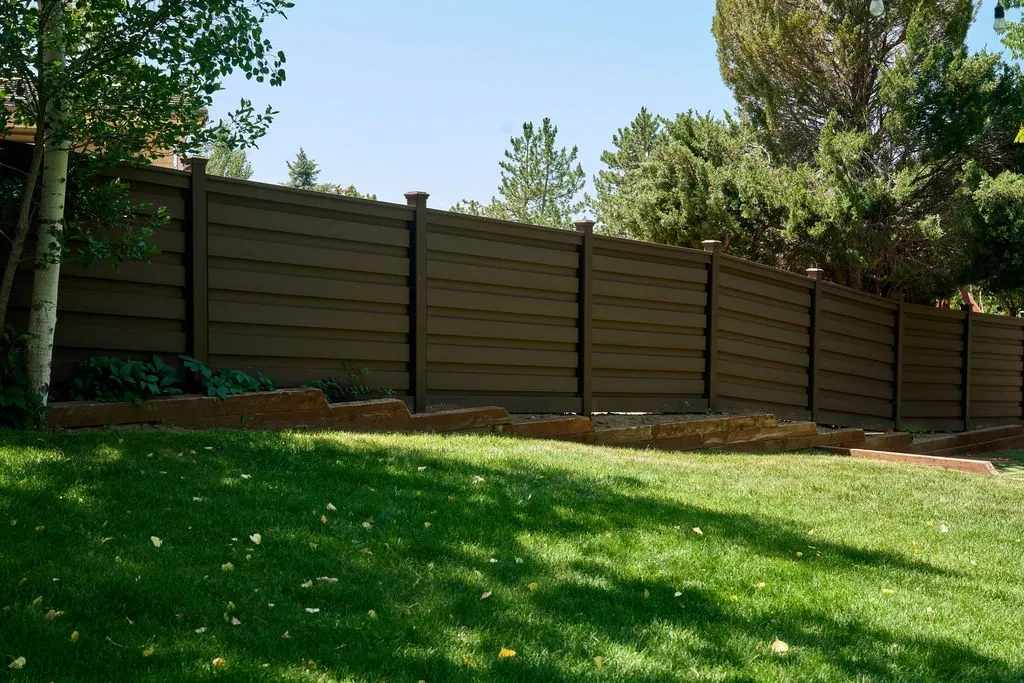
Because vinyl fencing maintains straight lines and consistent panel alignment, even small shifts in the ground become visible. A leaning post or a slight gap between panels may not indicate material failure. Instead, it often signals soil expansion, contraction, or drainage concerns that deserve attention.
How Soil Conditions in Des Moines Affect Fence Stability
Expansive Clay and Seasonal Swelling
Certain areas of Des Moines contain clay-rich soil that expands when saturated and contracts during dry periods. This repeated cycle can gradually shift fence posts. Unlike wood, which may warp independently of the ground, vinyl fencing holds its shape. When movement appears, it often points directly to soil activity.
Professional vinyl fence installation accounts for this by setting posts at appropriate depths and reinforcing them according to frost line requirements. Stable anchoring minimizes visible effects even when the soil naturally shifts throughout the year.
Freeze-Thaw Cycles Beneath the Surface
Winter brings another challenge. As moisture in the soil freezes, it expands and exerts upward pressure on buried posts. When temperatures rise, the soil settles again. Over time, these cycles can cause minor elevation changes.
Because PVC fence panels remain uniform and rigid, they highlight inconsistencies in post alignment more clearly than flexible materials. That visibility can actually benefit homeowners by alerting them early to potential ground instability.
What Leaning Posts May Be Telling You
Drainage Patterns Around the Yard
If one section of vinyl fencing leans while the rest remains level, drainage may be uneven. Water pooling near certain posts softens the soil and reduces its ability to hold weight. Redirecting runoff or adjusting grading can resolve the issue without extensive reconstruction.
Homeowners exploring long-term solutions often review vinyl fence installation methods to better understand how post depth and gravel backfill improve drainage performance. These structural details help reduce the likelihood of future movement.
Soil Compaction During Construction
In new developments across Des Moines, soil may not be fully compacted before fencing is installed. Over time, natural settling occurs. When vinyl fencing is installed with careful preparation, installers anticipate this possibility and reinforce high-risk areas.
At Top Rail Fence Des Moines, soil evaluation is part of the planning phase. By identifying soft zones or recent grading changes, installers can prevent uneven settling before panels are secured.
The Role of Proper Installation
Depth and Footing Matter
A strong vinyl fence installation begins below ground. Posts must extend deep enough to resist uplift and lateral pressure. Concrete footings or gravel bases stabilize the structure against shifting soil.
Because vinyl fencing does not absorb moisture or degrade underground, its longevity depends largely on how well posts are anchored. This is why professional fence installation remains critical even when materials are inherently durable.
Alignment as an Early Warning System
One advantage of PVC fence panels is their straight, interlocking design. Unlike wood boards that may bend subtly, vinyl panels stay true. If alignment changes, homeowners can investigate the root cause before larger structural concerns develop.
This built-in visibility transforms your fence into a practical indicator of soil health.
When Vinyl Fence Repair Becomes Necessary
Addressing Minor Shifts Promptly
If ground movement causes a post to tilt slightly, timely vinyl fence repair can restore alignment before stress spreads to adjacent panels. Repair may involve resetting the post, improving drainage, or reinforcing the footing.
Because vinyl fencing components are modular, individual sections can often be adjusted without dismantling the entire structure. This targeted approach keeps repairs efficient and cost-effective.
Preventing Recurring Issues
Recurring misalignment may signal broader grading or drainage challenges. Consulting experienced professionals ensures the solution addresses both the fence and the soil beneath it. According to the American Society of Civil Engineers, proper site preparation and soil stabilization are essential for long-term structural performance in residential construction. The same principle applies to fencing systems.
By correcting underlying causes, homeowners reduce the need for repeated vinyl fence repair and protect their investment.
Why Vinyl Performs Well Despite Soil Movement
Material Strength and Flexibility
Although vinyl fencing is rigid in appearance, it has slight flexibility that allows it to absorb mild ground shifts without cracking. This balance between firmness and adaptability helps maintain panel integrity during seasonal changes.
High-quality PVC fence panels are engineered to resist impact and environmental stress, making them suitable for the fluctuating soil conditions common in Des Moines.
Low Maintenance Advantage
Unlike wood posts that may rot when exposed to persistent moisture, vinyl remains unaffected by soil contact. That resistance reduces structural degradation even when drainage is imperfect.
Homeowners who prioritize durability and minimal upkeep often find that vinyl fence installation offers long-term peace of mind compared to materials more sensitive to ground moisture.
Planning for Stability From the Start
Site Assessment Before Installation
Evaluating slope, soil composition, and runoff patterns ensures your vinyl fencing project is prepared for local conditions. A comprehensive assessment prevents avoidable alignment issues later.
Working with experienced installers such as Top Rail Fence Des Moines allows homeowners to address soil variables proactively rather than reactively. From depth calculations to reinforcement planning, every detail contributes to structural resilience.
Ongoing Monitoring and Support
Even with expert preparation, natural soil movement is inevitable. Periodic inspection keeps small adjustments manageable. If you notice leaning sections or uneven gaps, scheduling professional vinyl fence repair promptly protects the rest of the structure.
Your fence should stand as a stable boundary, not a source of uncertainty.
A Fence That Reflects What Lies Beneath
In Des Moines, soil movement is part of the environment. Rather than viewing it as a threat, homeowners can see it as valuable information. Because vinyl fencing maintains straight lines and consistent spacing, it reveals changes early and clearly.
If you are planning a new vinyl fence installation or addressing concerns about shifting posts, Contact Us today for expert guidance tailored to your property. Thoughtful design, professional craftsmanship, and attention to soil conditions ensure your fence remains secure while the ground beneath it continues its natural cycles.