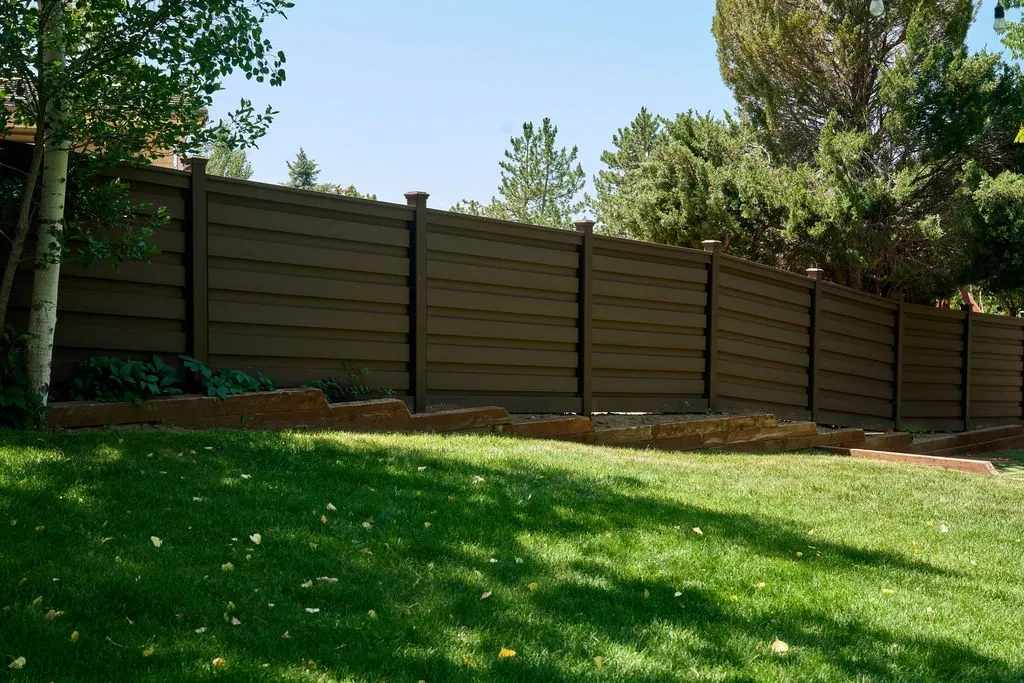
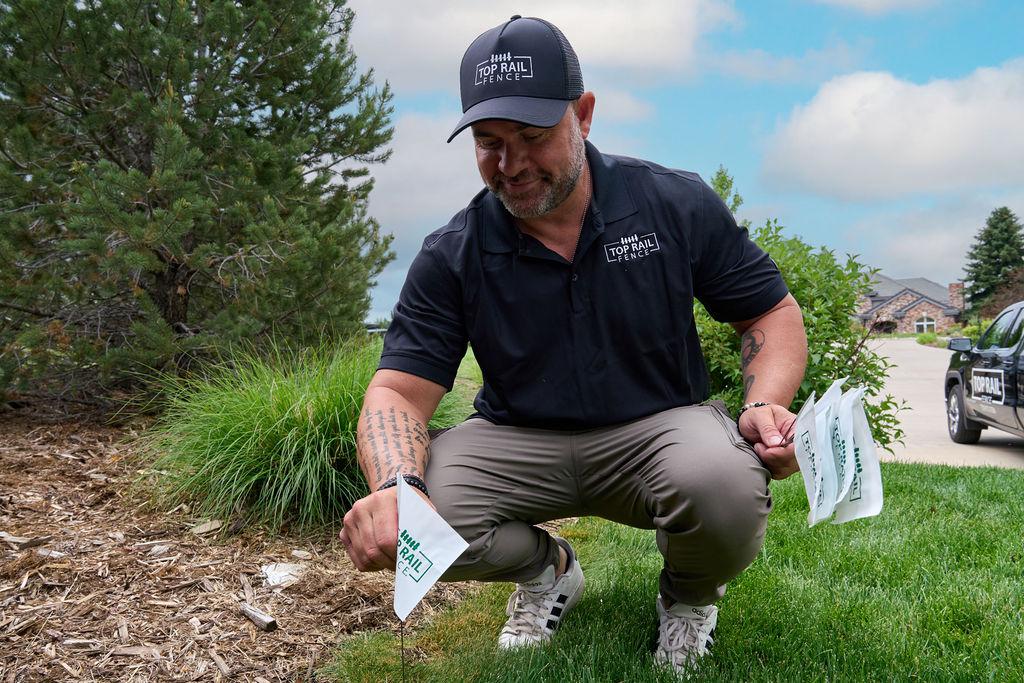
After consecutive storm seasons in Des Moines, many homeowners are rethinking what strength really means when it comes to backyard boundaries. High winds, heavy rain, and rapid temperature swings expose weaknesses in outdated materials. That is why families increasingly turn to vinyl fence installation for long-term protection and peace of mind. Homeowners researching options often begin with trusted local providers like Top Rail Fence Des Moines to ensure their next fence installation is built to withstand Iowa’s unpredictable climate.
Storm recovery conversations tend to focus on roofing and siding, yet fencing absorbs just as much environmental stress. Panels face wind pressure directly, posts endure saturated soil, and gates experience repeated expansion and contraction. Choosing the right material can make the difference between frequent repairs and lasting durability.
How Storm Cycles Expose Weak Fencing Materials
Wind Resistance and Structural Flexibility
One of the most common questions families ask after back-to-back storms is whether their current fence can handle another season. Traditional wood may loosen at the fasteners or lean as soil shifts. In contrast, properly secured vinyl fencing offers flexibility that allows panels to move slightly with wind force without cracking or splintering.
Professional vinyl fence installation accounts for wind load by reinforcing posts and ensuring panels are locked securely into rails. This balanced design distributes pressure evenly across the structure, reducing the risk of isolated weak points.
Moisture and Soil Saturation
Heavy rainfall saturates the soil in Des Moines, which can destabilize shallow fence posts. When water lingers around untreated materials, deterioration accelerates. Vinyl does not absorb moisture, which helps preserve its structural integrity even during prolonged wet periods.
Because vinyl fencing resists rot and corrosion, homeowners spend less time worrying about hidden damage below the surface. This reliability is one reason many consider it among the most durable fencing options available for Midwest climates.
Why Families Prioritize Durability After Severe Weather
Fewer Repairs Between Seasons
Storm damage often reveals how much maintenance a fence truly requires. Replacing warped boards or resetting leaning posts becomes both time-consuming and costly. A professionally managed vinyl fence installation reduces those recurring repair cycles.
Midway through the decision process, many homeowners explore detailed material comparisons through vinyl fencing resources to understand how impact resistance and panel design contribute to long-term stability. These insights help families move forward with confidence.
Consistent Appearance Year After Year
After storms pass, appearance still matters. Fences frame the yard and contribute to curb appeal. Unlike materials that require repainting or sealing, vinyl fencing maintains its color and clean lines without extensive upkeep. That consistency is especially valuable after harsh weather seasons when homeowners want reliability rather than another restoration project.
Engineering Matters More Than Many Realize
Post Depth and Reinforcement
While material choice is critical, installation technique determines long-term success. Quality vinyl fence installation includes precise post depth based on soil composition and frost line requirements in Des Moines. Reinforced posts prevent shifting during freeze-thaw cycles and intense storms.
At Top Rail Fence Des Moines, each fence installation begins with an evaluation of drainage patterns and yard grading. Stormwater flow can influence post stability, so preparation is just as important as the panels themselves.
Expansion and Contraction Allowances
Vinyl expands slightly in heat and contracts in cold temperatures. Proper spacing and fastening techniques allow this movement without stressing the structure. Poorly executed installations may ignore this detail, leading to buckling or panel misalignment.
When installed correctly, vinyl fencing adapts to seasonal shifts without compromising strength. This flexibility supports its reputation as one of the most durable fencing materials for climates that experience both humid summers and freezing winters.
Comparing Vinyl to Other Storm-Tested Options
Wood Versus Vinyl After Repeated Exposure
Wood fencing can perform well initially, but repeated saturation and drying cycles weaken fibers over time. After multiple storm seasons, boards may split or twist. By contrast, vinyl fence installation eliminates concerns about water absorption and insect damage.
Homeowners evaluating long-term value often find that vinyl requires fewer interventions across a decade of ownership. This stability makes it a practical upgrade after experiencing storm-related repairs.
Metal and Composite Considerations
Metal fencing offers strength but may corrode if protective coatings are compromised. Composite materials can resist moisture but may fade unevenly under prolonged sun exposure. Families seeking a balance between resilience and minimal upkeep frequently identify vinyl fencing as the most practical solution.
According to the National Association of Home Builders, selecting durable exterior materials significantly reduces lifecycle maintenance costs for homeowners, reinforcing why many consider vinyl among the most durable fencing choices for residential properties.
Planning a Storm-Ready Fence in Des Moines
Site-Specific Design
Every yard presents different challenges. Corner lots may face stronger wind exposure, while enclosed neighborhoods may experience drainage issues. A thoughtful vinyl fence installation adapts to these variables rather than applying a one-size-fits-all approach.
Families in Des Moines benefit from working with experienced professionals who understand how local weather patterns influence structural demands. Top Rail Fence Des Moines integrates this knowledge into each project plan, ensuring durability remains a priority from start to finish.
Long-Term Peace of Mind
Beyond storm resistance, homeowners want assurance that their investment will hold up for years. Choosing vinyl fencing reduces maintenance schedules, lowers the likelihood of emergency repairs, and maintains property appeal across changing seasons.
A well-executed fence installation becomes part of the home’s long-term infrastructure rather than a recurring concern.
Moving Forward After Storm Seasons
Back-to-back storms often prompt important upgrades. Instead of patching existing damage, many families decide it is time to invest in a stronger solution. Vinyl fence installation offers durability, visual consistency, and structural reliability tailored to the demands of Des Moines weather.
If your property has experienced storm-related fence issues or you are evaluating the most durable fencing options available, Contact Us to schedule a consultation. A storm-ready fence begins with informed planning, expert craftsmanship, and materials designed to perform when the next season arrives.