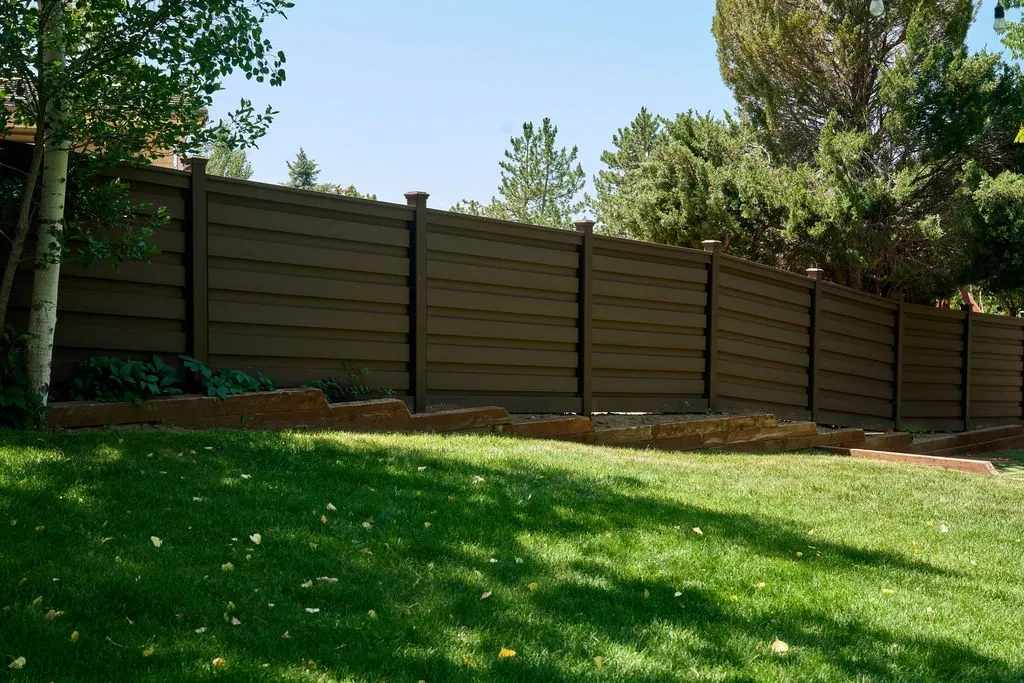
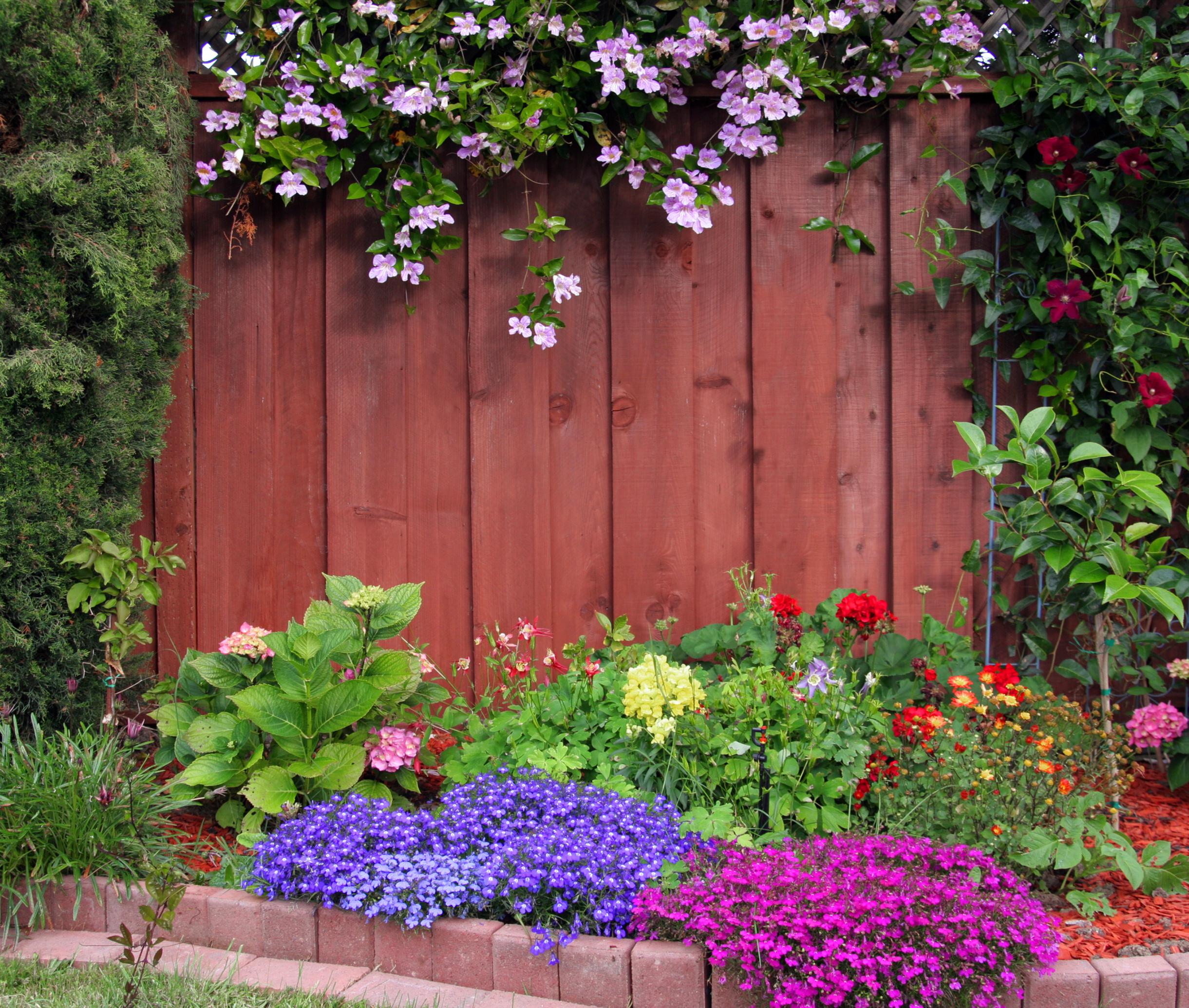
A traditional wooden fence adds warmth, character, and timeless appeal to residential properties, but homeowners across Des Moines often notice that not all wood fences age the same way. Subtle differences in neighborhood conditions, installation quality, and material choices can dramatically affect how a fence weathers over time. Many property owners begin their research by exploring proven local expertise from Top Rail Fence Des Moines to better understand how climate and craftsmanship influence long-term performance.
Understanding why a traditional wooden fence weathers differently across the city helps homeowners make smarter decisions about materials, design, and maintenance before committing to a new fence.
How Des Moines Weather Impacts a Traditional Wooden Fence
Seasonal Moisture and Temperature Shifts
Des Moines experiences humid summers, freezing winters, and frequent temperature swings. These conditions cause wood fibers to expand and contract throughout the year. A traditional wooden fence exposed to repeated moisture absorption followed by drying cycles will naturally show signs of aging, such as slight warping, surface checking, or color fading.
Shaded yards often retain moisture longer, while open areas receive more direct sun exposure. This explains why two fences installed in the same year can look very different after only a few seasons.
Wind Exposure and Airflow Differences
Neighborhood layout also plays a role. Properties with higher wind exposure experience faster drying after rainfall, which can reduce rot but increase surface cracking. In contrast, limited airflow can trap moisture around fence boards, accelerating wear. These microclimate differences are a key reason a traditional wooden fence weathers uniquely from one part of Des Moines to another.
The Role of Wood Selection in Long-Term Aging
Choosing the Right Type of Wood Fences
Not all wood performs the same outdoors. When evaluating the best type of wood fences, homeowners should consider grain density, natural oils, and resistance to decay. Cedar, pine, and redwood each respond differently to moisture and UV exposure.
Cedar, for example, contains natural oils that slow rot, while pressure-treated pine relies on chemical preservatives. Selecting the appropriate type of wood fence directly affects how evenly and predictably a fence weathers over time.
Natural Color Changes Over Time
A traditional wooden fence does not simply fade; it evolves. UV exposure gradually turns natural wood tones into silvery grays unless sealed or stained. Some homeowners appreciate this weathered look, while others prefer maintaining the original color. Understanding this process helps set realistic expectations from day one.
Why Proper Wood Fence Installation Matters
Installation Depth and Drainage
Professional wood fence installation ensures posts are set at the correct depth and surrounded by proper drainage materials. Poor drainage can trap moisture at the base of posts, leading to premature rot. Even high-quality wood will fail early if installation shortcuts are taken.
Midway through planning, many homeowners explore material and construction options by reviewing guidance on wood fencing solutions to understand how installation techniques influence longevity.
Board Spacing and Air Circulation
Correct spacing between boards allows airflow that helps wood dry after rain or snow. Tight spacing may look appealing initially, but it can trap moisture. A well-executed wood fence installation balances aesthetics with functional durability, ensuring the fence ages evenly rather than deteriorating in isolated sections.
How Traditional Wood Fence Designs Influence Weathering
Privacy vs Decorative Styles
Different traditional wood fence designs weather at different rates. Solid privacy fences limit airflow, increasing moisture retention, while picket or shadowbox styles allow air to pass through. This airflow difference can significantly affect how quickly boards dry after storms.
Homeowners selecting traditional wood fence designs should consider how much exposure each section of the fence will receive and whether aesthetics or longevity is the top priority.
Orientation and Sun Exposure
Fence orientation matters. South-facing sections receive more sunlight and dry faster, while north-facing sections stay damp longer. Over time, this can create visible color variation across the same traditional wooden fence. Strategic design choices can help minimize these differences.
Maintenance Practices That Shape Aging Patterns
Sealing and Staining Timing
Applying sealant or stain at the right time protects a traditional wooden fence from excessive moisture absorption. Waiting too long after installation or skipping maintenance altogether accelerates uneven weathering. Regular care helps the fence age more consistently across the property.
Cleaning Without Damaging the Wood
Gentle cleaning removes mildew and debris that hold moisture against wood surfaces. Aggressive pressure washing can damage fibers, making boards more vulnerable to weather. Balanced maintenance extends the life of both the wood and its finish.
According to guidance from the Forest Products Laboratory, proper moisture management is one of the most critical factors in extending the lifespan of exterior wood structures, reinforcing the importance of thoughtful maintenance.
Why Local Expertise Makes a Difference in Des Moines
A traditional wooden fence installed without local climate considerations may look great initially, but age poorly. Top Rail Fence Des Moines understands how soil conditions, seasonal weather, and neighborhood layouts affect fencing across Des Moines. This local knowledge helps ensure materials, design, and installation methods work together for consistent aging.
When homeowners partner with experienced professionals, they gain clarity on realistic expectations and long-term care strategies that keep their fence looking intentional rather than neglected.
Planning for a Fence That Ages Gracefully
Weathering is inevitable, but uneven aging does not have to be. By selecting the right type of wood fences, investing in professional wood fence installation, and choosing traditional wood fence designs suited to the local environment, homeowners can enjoy a fence that matures gracefully over time.
If you are considering a new traditional wooden fence or want guidance on how your current fence will age, Top Rail Fence Des Moines is ready to help. To discuss options, materials, or maintenance strategies tailored to your property, visit the Contact Us page and take the next step toward a wood fence designed for the unique conditions of Des Moines.