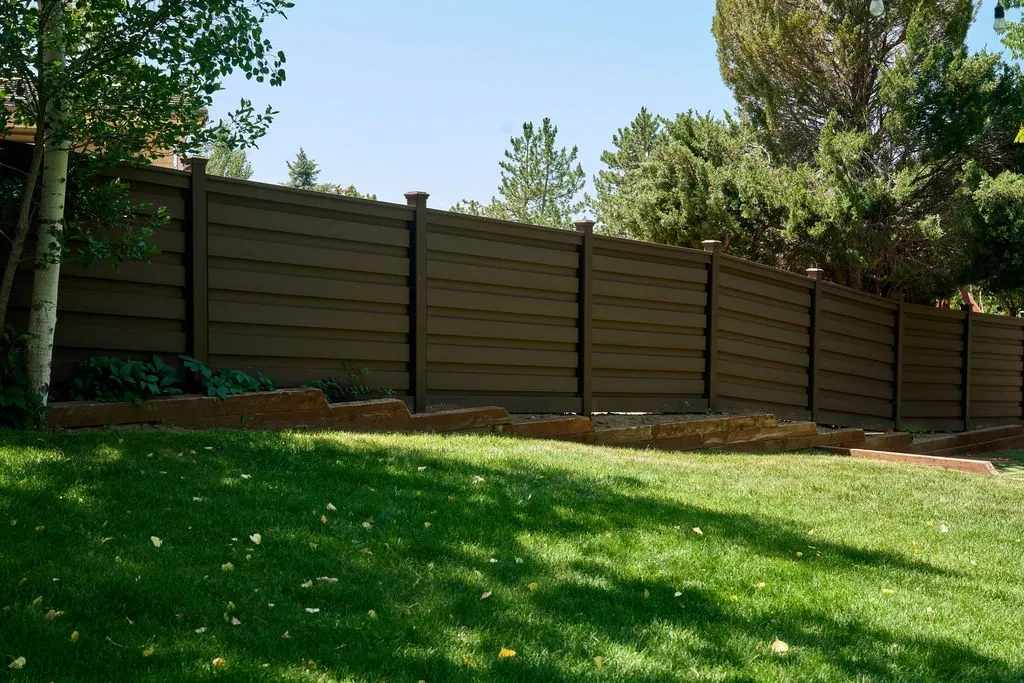
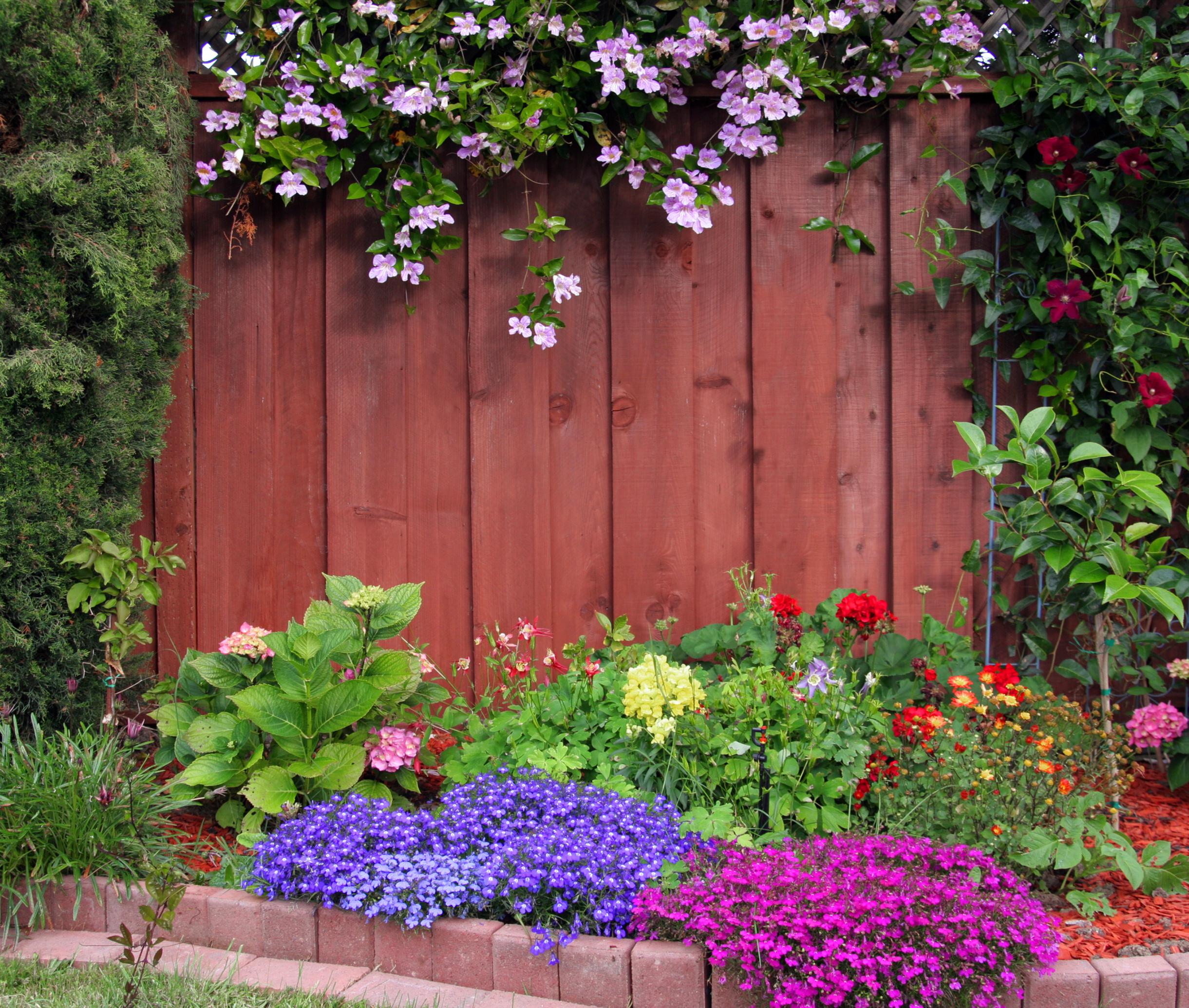
Homeowners across Des Moines often notice something puzzling about cedar fencing. Even when installed at the same time, sections of the same fence can weather at different rates. One side may fade faster, while another retains its warm tone longer. This uneven aging is not a defect. It is the result of how cedar naturally reacts to environmental exposure, installation methods, and property layout.
Understanding why cedar fencing ages unevenly helps homeowners make smarter decisions about maintenance, design, and long-term performance.
How Cedar Naturally Responds to Environmental Exposure
Sunlight Direction and UV Impact
Cedar contains natural oils that protect it from decay, but ultraviolet exposure still alters its surface over time. Fence sections facing south or west in Des Moines receive more direct sunlight throughout the year. This accelerates fading and surface drying compared to shaded areas.
Because cedar fence panels are often installed in continuous runs, these variations become visually noticeable within months of installation.
Moisture Retention and Airflow Differences
Rain, snow, and humidity do not impact every section equally. Areas near landscaping, downspouts, or shaded zones dry more slowly, allowing moisture to linger. Over time, this affects how wood fencing changes color and texture.
Proper spacing and airflow during wood fence installation can reduce uneven moisture exposure, but it cannot eliminate it.
Installation Choices That Influence Aging Patterns
Panel Orientation and Ground Clearance
Fence panels installed too close to the ground are more likely to absorb moisture. Even a small difference in clearance can lead to noticeable color changes along the bottom edge of cedar fencing.
Professional installers account for soil grade and drainage during layout to limit excessive moisture contact.
Post Depth and Structural Stability
Shifting posts can cause subtle tilting that changes how panels receive sun and rain. This is one reason experienced crews emphasize proper post depth during wood fence installation, especially in Midwest soil conditions.
Why Des Moines Climate Accelerates Visible Changes
Seasonal Temperature Swings
Des Moines experiences hot summers, freezing winters, and fluctuating humidity. These rapid shifts cause cedar to expand and contract. Over time, this movement changes surface texture and coloration at different rates across the fence line.
Snow Accumulation and Melt Patterns
Snow drifts and melt paths vary by yard layout. Sections exposed to repeated freeze-thaw cycles show wear faster than areas with better drainage. This is especially noticeable along long runs of cedar fence panels.
According to guidance from the Wood Magazine cedar materials guide, these environmental factors are a primary reason cedar develops varied tones over time.
Maintenance Practices That Affect Cedar Fence Aging
Staining and Sealing Timing
Applying stain or sealant at inconsistent times can exaggerate differences in appearance. For best results, all sections of cedar fencing should be treated simultaneously and under similar weather conditions.
Uneven application often leads homeowners to believe the wood itself is failing, when the issue is timing rather than material quality.
Cleaning Frequency and Methods
Pressure washing one section more aggressively than another can strip surface fibers unevenly. Gentle, uniform cleaning helps preserve consistent aging across wood fencing installations.
Design Considerations That Make Aging Less Noticeable
Alternating Fence Layouts
Shadow lines from gates, corners, and transitions can naturally break up visual differences. Thoughtful layout planning helps make natural cedar variation feel intentional rather than uneven.
Accepting Natural Color Evolution
Cedar naturally transitions to a silvery gray over time. Many homeowners choose to embrace this change rather than fight it. This approach reduces maintenance while still preserving the structural benefits of cedar fencing.
Why Professional Installation Makes a Difference
Experience With Regional Conditions
Installers familiar with Des Moines soil, weather, and drainage patterns understand how to position cedar fence panels for better long-term consistency. This experience directly impacts how evenly a fence ages.
Homeowners working with Top Rail Fence Des Moines benefit from installation methods tailored specifically to local environmental conditions.
Long-Term Performance Over Short-Term Appearance
Professional crews focus on stability and airflow rather than cosmetic uniformity on day one. Over time, this approach produces more balanced aging across the entire fence line.
Planning Your Cedar Fence for Long-Term Results
Site Evaluation and Material Selection
Before installation, evaluating sun exposure, slope, and drainage helps determine panel spacing and orientation. These decisions significantly influence how wood fencing ages over time.
Homeowners considering new projects can explore cedar-specific options or request guidance through the Contact Us page to discuss long-term expectations.
Partnering With the Right Fence Team
Uneven aging is natural, but excessive variation often traces back to poor installation choices. Working with Top Rail Fence Des Moines ensures your wood fence installation is designed for durability, balance, and predictable aging.
Final Thoughts on Cedar Fence Aging in Des Moines
Uneven aging does not mean failure. It reflects how cedar fencing interacts with sunlight, moisture, and seasonal changes across a property. With proper installation, thoughtful design, and realistic expectations, cedar remains one of the most reliable and attractive fencing options available.
By understanding how and why cedar ages differently, homeowners in Des Moines can make confident decisions that lead to long-lasting, visually appealing fencing solutions built to withstand local conditions.