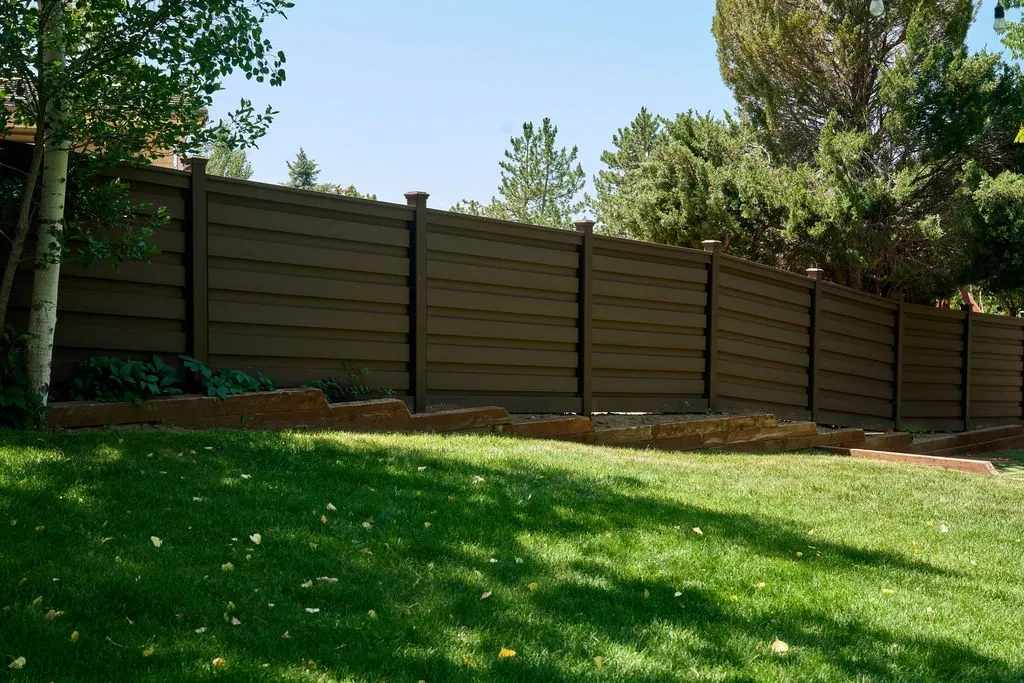
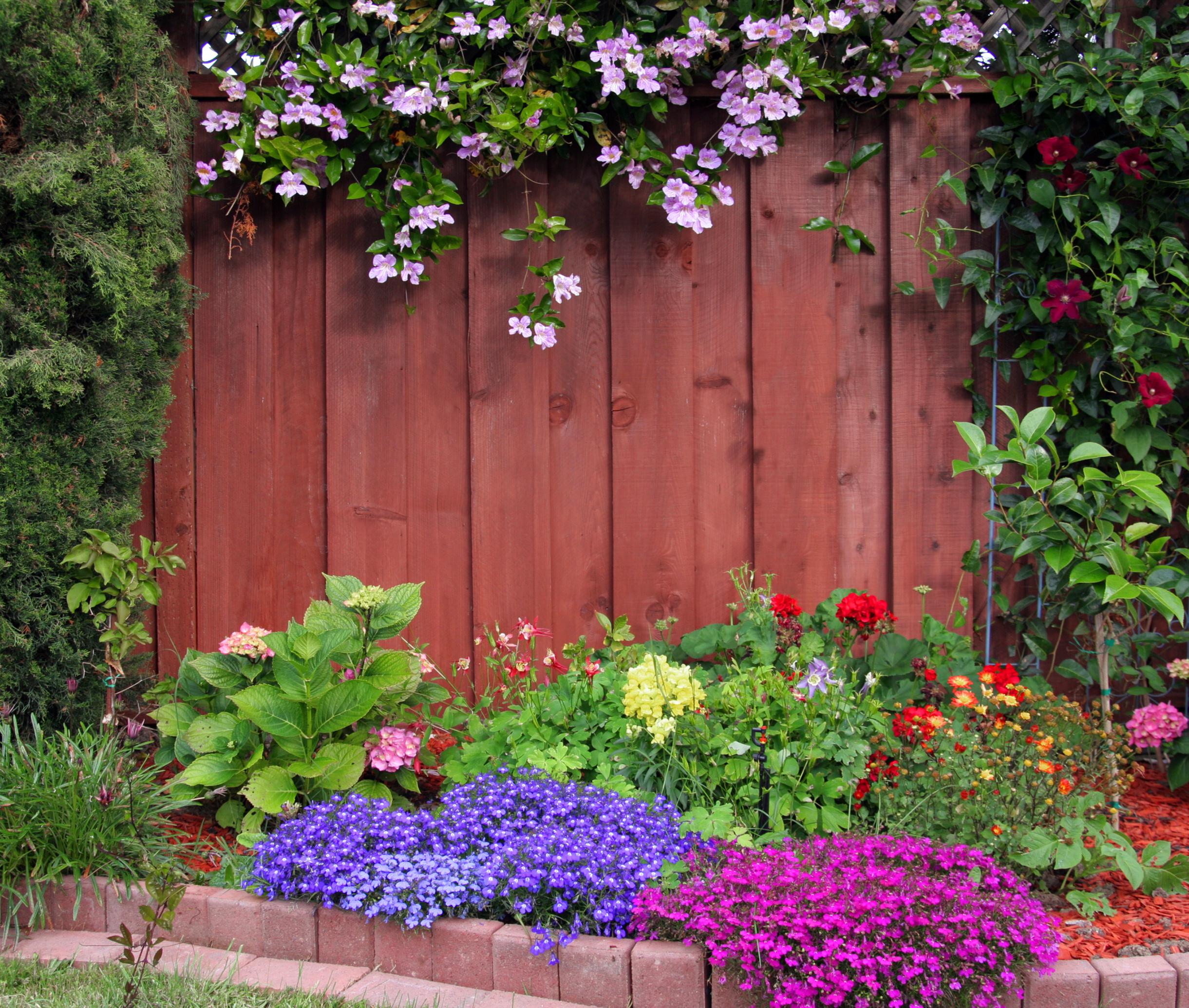
When homeowners in Des Moines start researching cedar fences, the conversation usually revolves around appearance, privacy, and longevity. Color, height, and layout dominate the planning phase. Yet there is one critical detail that often goes unmentioned, even though it quietly determines how well a cedar fence performs year after year. This overlooked element influences airflow, moisture control, scent retention, and overall durability, making it just as important as the type of cedar itself.
Homeowners who consult Top Rail Fence Des Moines often discover that the smallest construction choices can have the biggest long-term impact on cedar fencing performance.
The Detail Most Homeowners Miss
Board Orientation and Edge Treatment
One of the least discussed aspects of cedar fences is how the boards are milled, positioned, and finished along the edges. Slight variations in board orientation can change how water sheds from the surface. Properly finished edges allow cedar to release moisture naturally, preventing trapped dampness that shortens the life of the fence.
This detail is especially important in Des Moines, where rain, snow, and humidity cycles place repeated stress on exterior materials. When boards are installed with attention to grain direction and spacing, cedar remains stable and aromatic longer.
Why This Matters for Privacy
A cedar privacy fence relies on tightly aligned boards to block sightlines, but alignment does not mean compression. Skilled installers leave just enough space for natural expansion while maintaining visual coverage. This balance keeps boards from warping while preserving the clean lines homeowners expect from premium cedar fences.
Craftsmanship Over Material Alone
Installation Determines Performance
Even the highest-grade cedar can underperform if installation is rushed. Professional cedar fence installation accounts for soil conditions, drainage patterns, and sun exposure unique to each property. In Des Moines, freeze-thaw cycles make post placement and depth especially important.
A knowledgeable wood fence company understands how local conditions influence fence longevity. Posts must be set to prevent shifting, and rails must support boards evenly across their span. These structural details protect the fence from leaning, sagging, and premature wear.
Airflow as a Protective Feature
Midway through many projects, homeowners explore cedar-specific construction techniques through resources like wood fencing options to better understand why airflow matters. Proper spacing behind rails allows cedar boards to dry evenly after storms, reducing mold risk and preserving the wood’s natural oils.
Cedar’s Natural Advantages Explained
Oils That Do More Than Smell Good
Cedar’s natural oils are often associated with scent, but their true value lies in protection. These oils repel insects, resist decay, and slow moisture absorption. When cedar fences are installed with care, these oils remain active longer, contributing to both durability and appearance.Stability in Changing Seasons
Unlike many woods, cedar adapts well to seasonal shifts. In Des Moines, where summers are humid and winters are cold, cedar’s dimensional stability helps prevent cracking. This makes it an ideal material for long-lasting cedar privacy fence installations.
Visual Consistency Over Time
Even Weathering Makes a Difference
Homeowners sometimes worry about color changes, but cedar weathers evenly when installed correctly. Board orientation and spacing help sunlight reach surfaces uniformly, preventing patchy fading. This detail keeps cedar fences looking intentional rather than neglected as they age.
Clean Lines That Elevate Property Value
Straight rails and balanced board placement enhance curb appeal. A fence that remains visually aligned over time reflects quality craftsmanship, something buyers notice immediately. This is where working with an experienced wood fence company pays off.
Maintenance That Supports Longevity
Light Care, Big Results
Cedar does not demand heavy maintenance, but gentle care extends its lifespan. Occasional cleaning and breathable sealants help preserve the wood without trapping moisture. Overwashing or harsh treatments can strip protective oils and reduce longevity.
When Repairs Are Minimal
Because professional cedar fence installation anticipates movement and moisture, repairs are less frequent. Boards remain secure, posts stay straight, and the fence continues performing without constant adjustments.
According to the Forest Products Laboratory, cedar’s resistance to decay and dimensional stability make it one of the most reliable woods for exterior structures in variable climates.
Choosing the Right Partner
Experience With Local Conditions
A fence is only as good as the team that installs it. Homeowners in Des Moines benefit from working with specialists who understand local soil, weather patterns, and zoning requirements. Top Rail Fence Des Moines applies these insights to every project, ensuring each fence is built for long-term success.Planning With Purpose
Asking the right questions early leads to better results. When homeowners understand the importance of board orientation, spacing, and post placement, they make more informed decisions about their cedar fences.
A Smarter Way to Invest in Cedar
The detail most homeowners overlook is not decorative, yet it defines how a fence performs over decades. Proper craftsmanship transforms cedar from a beautiful material into a reliable structure that protects privacy, enhances property value, and ages gracefully. In Des Moines, this attention to detail separates average fences from exceptional ones.
If you are considering a cedar fence or want expert guidance from a trusted wood fence company, reach out to Top Rail Fence Des Moines through the Contact Us page to start a project built on knowledge, precision, and lasting quality.