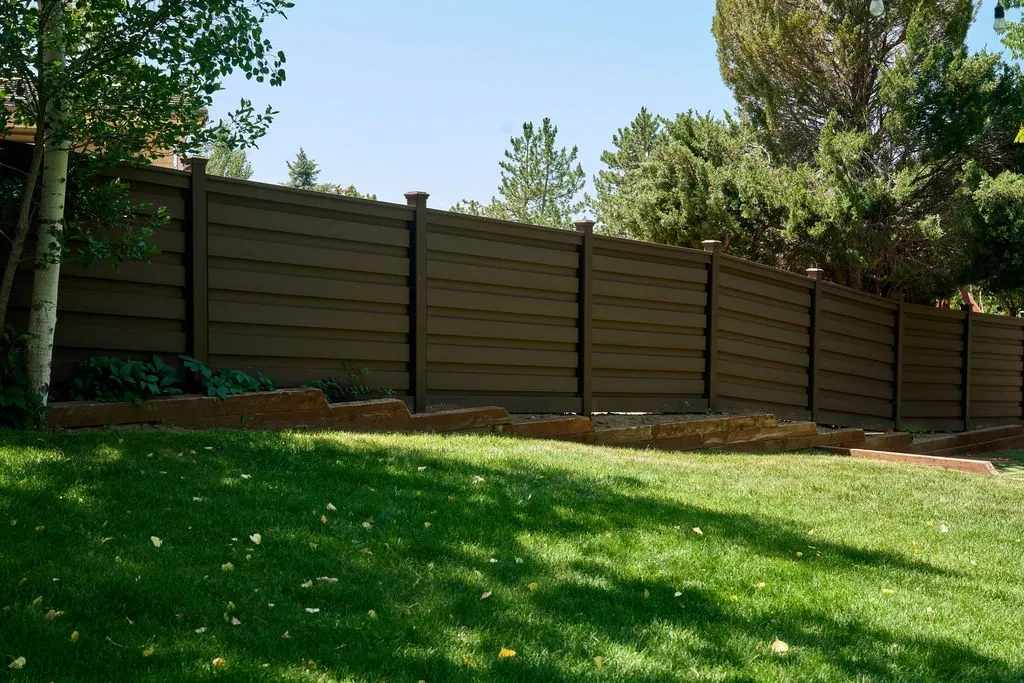
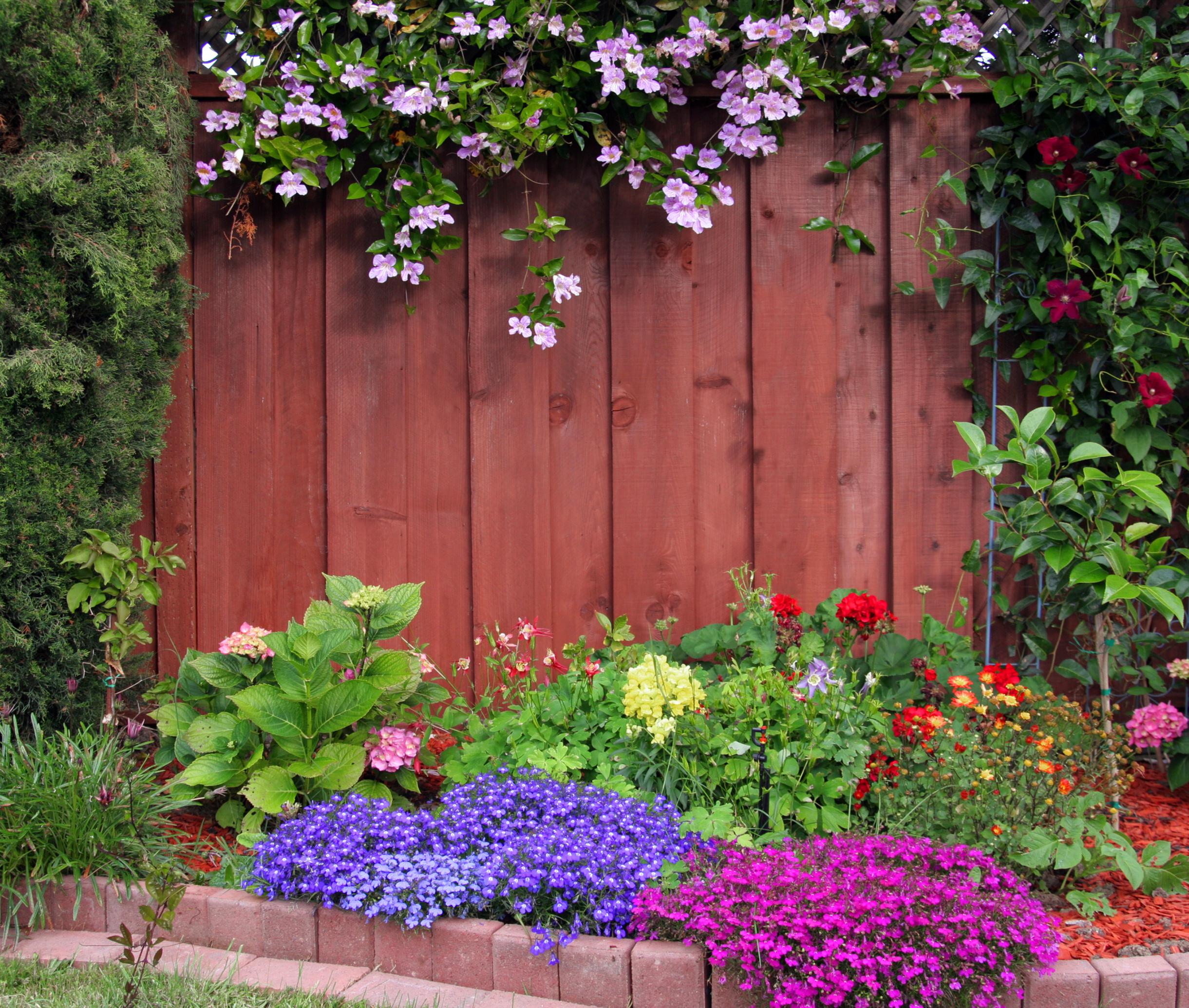
In Des Moines, winter rarely fades quietly. Snow, ice, and fluctuating temperatures often cycle repeatedly before spring fully arrives. After a complete season of freezing and thawing, many homeowners begin to notice subtle changes in their fencing. Those who invest in professional cedar fence installation quickly realize that quality craftsmanship makes a visible difference once the ground has expanded and contracted multiple times. By working with Top Rail Fence Des Moines, property owners gain insight into how proper cedar fence installation prepares their fence for Iowa’s demanding seasonal shifts.
While cedar is naturally resilient, the way it is installed determines how well it responds to moisture, soil movement, and temperature changes.
What Happens During a Full Freeze-Thaw Cycle
Soil Expansion and Contraction
When moisture in the soil freezes, it expands. As temperatures rise, that frozen ground thaws and settles. In Des Moines, this process can repeat several times in a single winter. The movement places pressure on fence foundations, particularly around cedar fence posts.
If posts are not set deep enough or secured properly, minor leaning may appear after one full freeze-thaw season. Proper cedar fence installation accounts for frost depth and soil type to reduce this risk from the start.
Moisture Absorption in Cedar Boards
Cedar naturally resists decay, but it still absorbs some moisture during snow accumulation. As temperatures warm, that moisture evaporates. This repeated expansion and drying can cause minor dimensional changes. A well built wood privacy fence allows for natural movement without distorting alignment.
Spacing between boards and secure rail attachment are essential components of long-lasting cedar fencing in climates with strong seasonal variation.
Subtle Shifts Homeowners Begin to Notice
Slight Changes in Board Spacing
After winter, homeowners sometimes see small variations between boards. This is a natural response to moisture and temperature fluctuations. During expert cedar fence installation, installers leave calculated gaps to accommodate seasonal expansion.
When spacing is done correctly, boards settle back into place as temperatures stabilize, preserving the clean lines expected from premium cedar fencing.
Post Stability and Alignment
The most noticeable shift after a freeze-thaw cycle typically involves vertical alignment. Properly installed cedar fence posts should remain upright even after soil movement. Deep post setting and reinforced backfill materials contribute to long-term stability.
Midway through the planning process, many homeowners explore wood fencing options to better understand how different structural approaches perform under Iowa’s winter conditions.
Why Installation Depth Is Critical in Des Moines
Accounting for Frost Line
The frost line in Des Moines can extend deep below the surface. Professional cedar fence installation ensures posts extend below this depth to prevent heaving. When posts remain anchored beneath the active freeze zone, seasonal ground shifts have less impact.
Drainage Around Cedar Fence Posts
Water management is another overlooked factor. Poor drainage allows water to collect and freeze around posts, increasing upward pressure. During cedar fence installation, grading adjustments and proper backfill materials help direct moisture away from the base of the fence.
According to research from the US Forest Service Forest Products Laboratory, wood used in exterior structures performs best when moisture exposure is controlled and airflow is maintained. Applying these principles strengthens the longevity of cedar fencing in freeze-prone climates.
Cedar’s Natural Resilience in Seasonal Climates
Dimensional Stability
Compared to many other wood species, cedar maintains impressive dimensional stability. That means it expands and contracts less dramatically. For a wood privacy fence, this characteristic supports a consistent appearance even after repeated weather cycles.
Still, even durable wood benefits from precise cedar fence installation. Craftsmanship ensures that natural resilience is fully supported rather than compromised by structural weaknesses.
Resistance to Decay
Cedar contains natural oils that resist rot and insect activity. After a wet winter, this built-in protection helps boards dry without deteriorating. However, airflow remains critical. A thoughtfully designed wood privacy fence allows moisture to escape rather than remain trapped between tightly compressed boards.
Maintenance After the First Full Winter
Spring Inspection Checklist
Once temperatures stabilize, homeowners should perform a visual inspection. Look for slight leaning, rail separation, or soil erosion around cedar fence posts. Addressing minor adjustments early prevents larger corrections later.
Because professional cedar fence installation anticipates movement, repairs are typically minimal. Boards remain secure, and overall alignment stays intact.
Light Cleaning and Sealing
Gentle cleaning removes winter residue without stripping protective oils. Applying a breathable sealant can enhance protection while still allowing natural moisture exchange. Proper care supports the longevity of cedar fencing without overcomplicating maintenance routines.
Homeowners who partner with Top Rail Fence Des Moines benefit from guidance specific to local freeze-thaw patterns. Their experience with Des Moines soil conditions helps ensure fences are prepared for seasonal transitions year after year.
Long-Term Performance Starts With Proper Installation
A full freeze-thaw cycle serves as a real-world test for any fence. In Des Moines, winter reveals whether posts were set deep enough, boards spaced correctly, and drainage managed effectively. Choosing professional cedar fence installation means those elements were addressed from the beginning.
Instead of reacting to seasonal damage, homeowners enjoy confidence in their fence’s structure and appearance. High-quality cedar fencing not only enhances privacy but also adapts gracefully to Iowa’s climate challenges.
If you are considering a new wood privacy fence or want assurance that your next project is built for Midwest winters, connect with Top Rail Fence Des Moines through our Contact Us page. Thoughtful cedar fence installation today ensures your fence stands strong through every freeze, thaw, and seasonal shift in Des Moines.