Homeowners exploring cedar fencing options in Des Moines often focus on privacy, height, and visual appeal. Yet wind exposure plays a major role in how a fence looks and performs over time. Properties positioned on open corners or along wide streets experience stronger, more consistent wind pressure than homes tucked into protected neighborhoods. At Top Rail Fence Des Moines, property layout is one of the first factors evaluated before beginning cedar fence installation, because exposure directly influences how cedar boards weather and respond to seasonal change.
Wind does more than push against a fence. It affects moisture evaporation, board movement, fastener stress, and even long-term color variation. Understanding these differences helps homeowners make smarter decisions about design, installation technique, and future maintenance.
Why Wind Exposure Changes the Aging Process
Airflow Speeds Up Moisture Cycling
On wind-exposed corners, cedar boards dry faster after rain. While quick drying may sound beneficial, repeated rapid moisture cycling can cause subtle surface checking over time. In contrast, sheltered yards hold moisture longer, especially in shaded areas, increasing the risk of mildew if airflow is limited.
Proper spacing during cedar fence installation ensures boards expand and contract without stress. Installers must account for prevailing wind direction across Des Moines, particularly during seasonal storms, to maintain long-term structural balance.
Uneven Sun and Wind Patterns
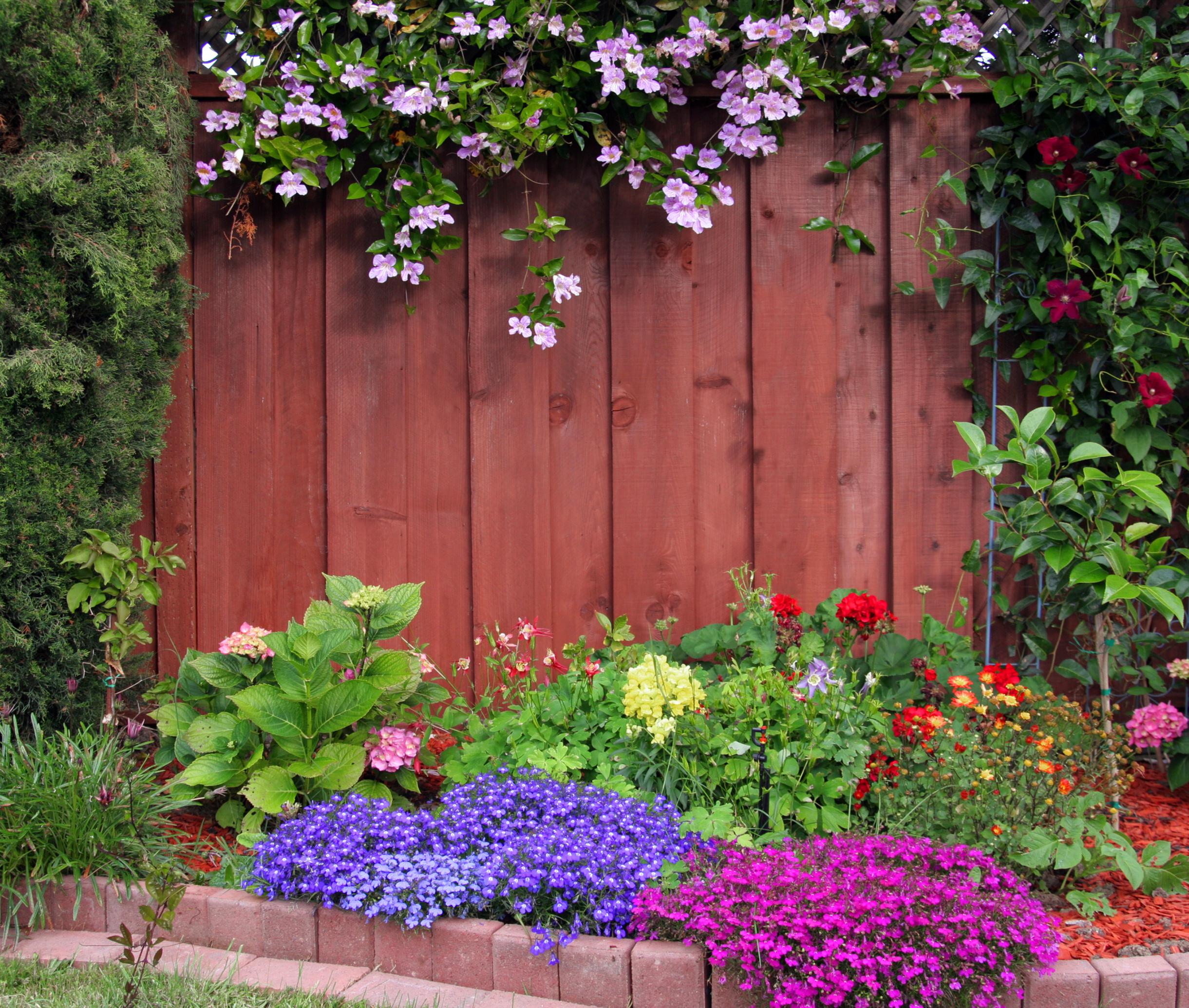
Wind-exposed fences often face more direct sunlight. Combined with steady airflow, this accelerates the natural weathering process. Cedar gradually transitions from warm reddish tones to a soft silver-gray. On sheltered properties, color change may occur more slowly and sometimes unevenly if sections remain shaded.
According to the American Wood Council, wood performance in exterior applications depends heavily on exposure conditions, moisture cycling, and structural design. Even when the same species is used, variations in wind, sunlight, and drainage can influence how surfaces weather and how quickly visible aging occurs, which explains why neighboring fences may develop different tones and textures over time.
h2: Structural Stress on Open Corners
Wind Pressure and Fastener Integrity
Corner lots in Des Moines experience higher lateral wind pressure. This constant force places additional stress on rails, posts, and fasteners. Without careful planning, boards may loosen or shift slightly over time.
Professional cedar fence installation accounts for these pressures by reinforcing post depth and spacing. Heavier-duty hardware and balanced rail placement reduce long-term strain. At Top Rail Fence Des Moines, wind load considerations are built into every project design, especially for homes near open fields or wide intersections.
Soil Movement and Post Stability
Wind-exposed fences also experience subtle ground vibration during strong storms. Combined with freeze-thaw cycles common in Des Moines, this can impact post alignment if installation depth is insufficient. Proper concrete setting and drainage preparation prevent leaning or structural fatigue.
Sheltered yards, while less affected by wind force, may hold more moisture near posts. That makes drainage planning equally important, even when wind is not a primary concern.
Appearance Differences Over Time
Faster Patina on Windward Sides
The side of a cedar fencing structure facing dominant winds often develops a weathered look sooner. Continuous airflow removes surface moisture quickly, allowing UV exposure to gradually shift the wood tone. This process is natural and does not indicate damage.
In more protected backyards, boards may retain their original hue longer. However, without adequate sunlight and airflow, minor discoloration can appear if debris collects between boards. Routine cleaning helps prevent this.
Grain Texture and Surface Feel
Wind can subtly enhance raised grain texture as the surface fibers expand and contract. While this does not weaken the structure, homeowners may notice a slightly more textured feel on wind-facing panels compared to sheltered sections.
Understanding these changes is essential for maintaining cedar fence surfaces. Gentle washing and breathable sealants protect the wood without interfering with its natural aging process.
Maintenance Considerations Based on Exposure
Adjusting Care for Open Lots
Wind-exposed properties in Des Moines benefit from periodic inspections after major storms. Checking fasteners and ensuring posts remain aligned protects the investment in cedar fencing. Because airflow reduces trapped moisture, mold growth is typically minimal, but physical stress should still be monitored.
Midway through ownership, many homeowners review cedar fencing benefits to better understand how natural oils resist decay and insects. These oils remain active longer when airflow is consistent, which is often the case on open lots.
Managing Moisture in Sheltered Yards
In protected areas, debris such as leaves or grass clippings can accumulate near fence lines. When maintaining cedar fence surfaces, clearing organic buildup prevents prolonged dampness. Occasional rinsing and inspection preserve structural integrity without requiring heavy treatments.
Because cedar is naturally resistant to insects and rot, maintenance focuses more on airflow and cleanliness rather than chemical intervention.
Comparing Cedar to Composite in Wind Conditions
Material Response to Pressure
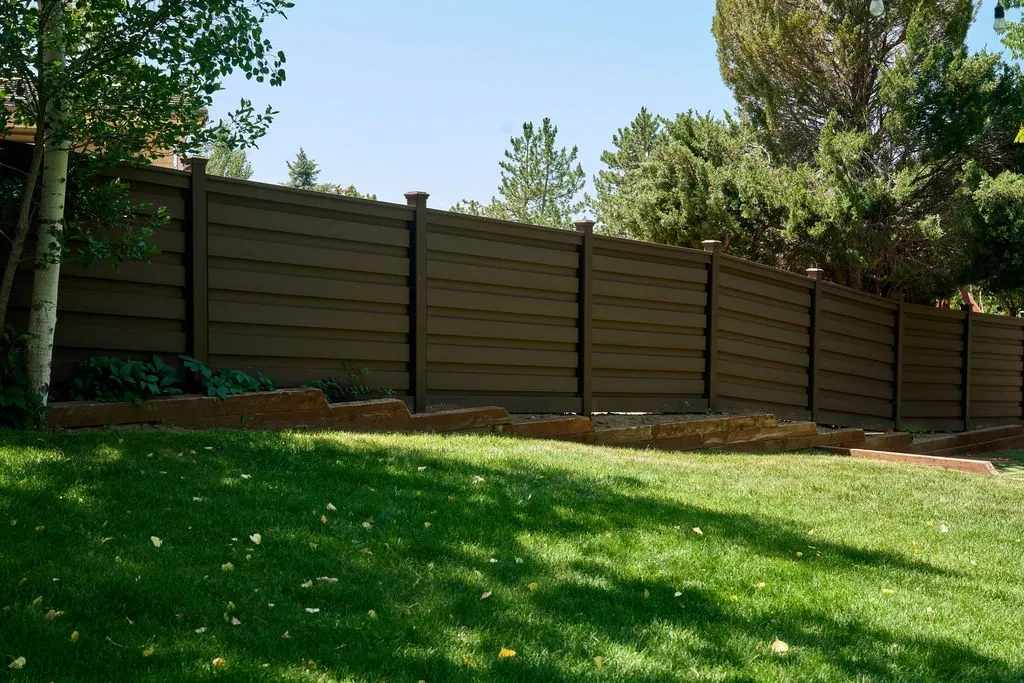
Some homeowners consider composite fencing for its uniform appearance. While composite materials resist rot, they respond differently to wind stress. Panels can flex under pressure, and temperature shifts may cause expansion at connection points.
Cedar’s lighter weight and natural flexibility often allow it to absorb wind movement more gracefully. Properly installed cedar fencing distributes force across rails and posts, reducing the risk of cracking or panel warping.
Aesthetic Longevity
Unlike composite fencing, cedar develops a natural patina that many homeowners appreciate. On wind-exposed corners, this transformation occurs more quickly and evenly. Sheltered installations age at a gentler pace, offering homeowners flexibility in how the fence evolves visually.
Choosing between materials depends on priorities, but cedar remains a leading option for properties throughout Des Moines because of its adaptability to varied environmental conditions.
Installation Strategy Matters Most
Wind exposure cannot be changed, but installation quality can. Strategic board spacing, reinforced posts, and balanced rail systems determine how well a fence withstands years of environmental pressure. At Top Rail Fence Des Moines, every cedar fence installation begins with a site evaluation that considers wind direction, yard layout, and drainage.
Homeowners who understand these factors make more confident decisions about height, style, and reinforcement. Whether a property sits on a quiet cul-de-sac or an open intersection, thoughtful craftsmanship ensures consistent performance.
Planning for Long-Term Performance
A fence is a long-term investment, and exposure differences should shape planning from the start. Wind-exposed corners in Des Moines may see faster surface aging but often benefit from improved airflow and reduced moisture retention. Sheltered yards may preserve color longer but require closer attention to debris and airflow management.
Both scenarios highlight the importance of expert guidance. Cedar fencing thrives when installed with precision and maintained with simple, routine care. If you are evaluating options or deciding between cedar and composite fencing, connect with Top Rail Fence Des Moines to discuss a project designed specifically for your property’s exposure conditions.