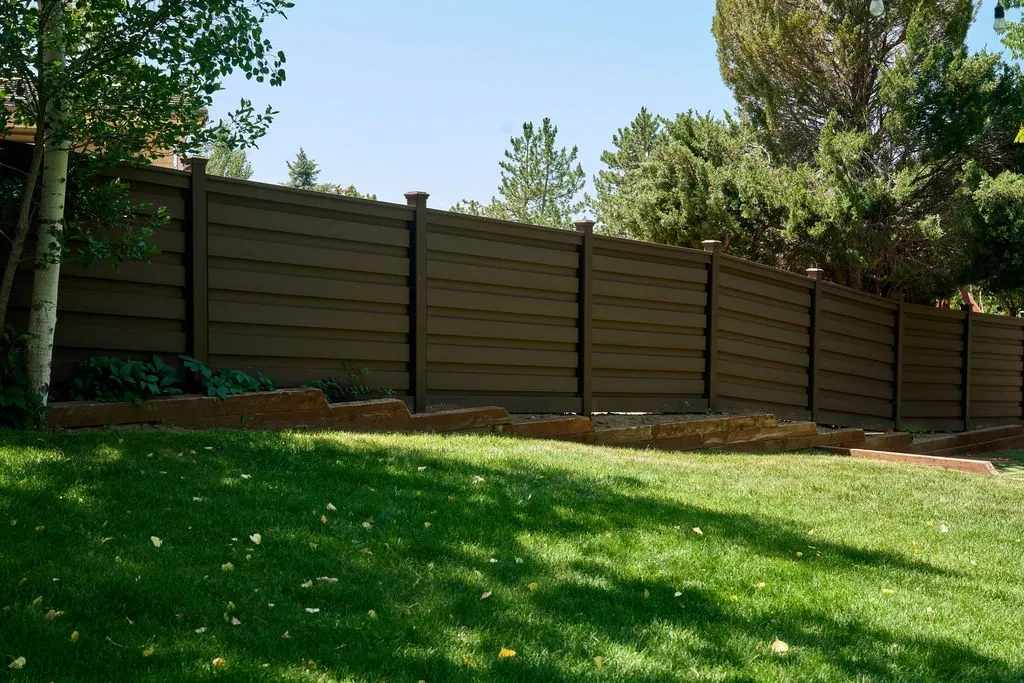
Homeowners throughout Des Moines often notice that cedar fencing responds noticeably to the changing seasons. Boards may tighten in dry months, then subtly shift during wetter periods. This is not a flaw in the material. Cedar is a natural wood that reacts predictably to moisture cycles, making it both durable and responsive to its environment.
Understanding how seasonal moisture affects cedar fencing allows homeowners to plan smarter installations, manage expectations, and extend the lifespan of their fence.
Why Moisture Plays a Major Role in Cedar Fence Performance
Cedar’s Natural Ability to Absorb and Release Water
Cedar contains cellular structures that absorb moisture when humidity rises and release it when conditions dry out. This natural process helps cedar resist rot but also leads to expansion and contraction over time.
In Des Moines, where spring rain, summer humidity, fall dryness, and winter freeze cycles all occur, cedar fence pickets constantly adjust to their surroundings.
Ground Moisture Versus Air Moisture
Not all moisture exposure is the same. Soil saturation after storms can affect the bottom portion of wood fencing, while humidity impacts the full height of the fence. Areas near lawns, irrigation systems, or shaded landscaping often retain moisture longer.
This is why professional wood fence installation accounts for drainage and airflow, not just visual layout.
Seasonal Moisture Patterns in Des Moines
Spring Rainfall and Soil Saturation
Spring introduces prolonged wet conditions. Cedar absorbs moisture slowly, but extended exposure can cause temporary swelling. Proper spacing between cedar fence pickets allows for this expansion without warping or buckling.
Summer Humidity and Heat
Warm air holds more moisture. Summer humidity keeps cedar from fully drying out, which stabilizes boards but can also encourage surface discoloration if airflow is restricted.
Well-planned cedar fencing installations avoid tight board placement to maintain consistent drying.
Fall Drying Cycles
As humidity drops in the fall, cedar releases stored moisture. This can cause slight shrinking, making gaps more visible between boards. This is expected behavior and not a sign of failure.
Understanding this cycle helps homeowners avoid unnecessary repairs or over-tightening fasteners.
Winter Freeze and Thaw Effects
Winter moisture is less about rain and more about snow melt and freeze-thaw cycles. Water absorbed during mild days freezes at night, stressing the wood fibers. Quality wood fencing accounts for this by maintaining proper ground clearance and post stability.
According to guidance from the U.S. Forest Products Laboratory, cedar’s ability to handle moisture cycling is one of the reasons it performs well in variable climates.
How Installation Methods Reduce Moisture Stress
Spacing Between Cedar Fence Pickets
Installing pickets too tightly restricts movement. Professional crews leave calculated spacing that allows cedar fencing to expand and contract naturally without splitting.
This approach improves long-term performance and preserves appearance across seasons.
Post Placement and Drainage Control
Posts set too shallow or without proper gravel bases can trap moisture around the base of the fence. Over time, this leads to uneven aging.
Experienced installers focus on drainage planning during wood fence installation, especially in moisture-heavy regions like Des Moines.
Maintenance Choices That Influence Moisture Behavior
Sealing Versus Letting Cedar Breathe
Sealing cedar slows moisture absorption but does not eliminate it. Some homeowners choose breathable stains that protect the surface while still allowing natural moisture exchange.
Applying finishes evenly across the fence prevents inconsistent absorption patterns.
Cleaning Without Over-Saturation
Over-watering during cleaning forces moisture deep into the wood. Gentle rinsing preserves the balance cedar needs to regulate itself naturally.
Design Decisions That Work With Moisture Cycles
Fence Orientation on the Property
Sections facing open yards dry faster than those near structures or trees. Strategic layout helps minimize uneven moisture exposure across wood fencing runs.
Choosing the Right Cedar Grade
Higher-quality cedar has tighter grain patterns that regulate moisture more evenly. Selecting premium materials during wood fence installation reduces long-term movement and surface changes.
Why Professional Experience Matters
Local Climate Knowledge
Installers familiar with Des Moines moisture patterns understand how cedar behaves throughout the year. This experience directly impacts spacing, post depth, and material handling.
Homeowners who work with Top Rail Fence Des Moines benefit from installation methods designed specifically for local moisture cycles.
Long-Term Performance Planning
Rather than chasing perfect short-term appearance, professional crews plan for how cedar fencing will look and function over the years of exposure.
Homeowners can discuss moisture-related concerns directly through the Contact Us page to receive tailored recommendations.
Final Thoughts on Cedar Fencing and Moisture Cycles
Cedar’s interaction with moisture is what makes it resilient, not problematic. Seasonal movement is a sign that the wood is responding as intended. When cedar fencing is installed correctly and maintained thoughtfully, it performs exceptionally well through Des Moines weather cycles.
By understanding how moisture affects cedar fence pickets, homeowners can make confident decisions that lead to durable, attractive fencing solutions supported by expert craftsmanship from Top Rail Fence Des Moines.