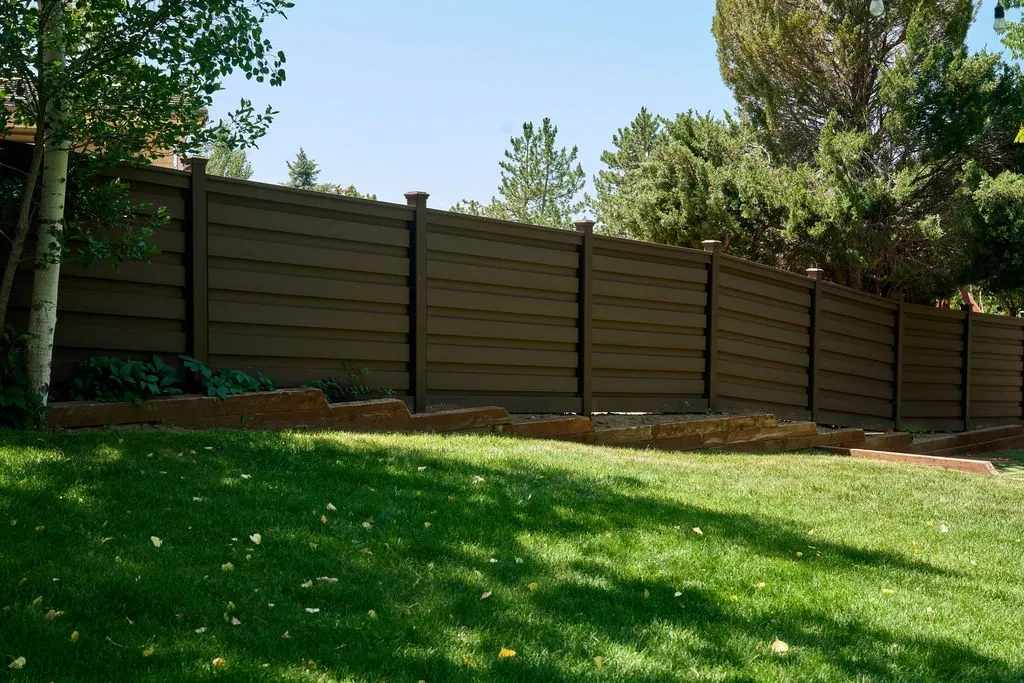
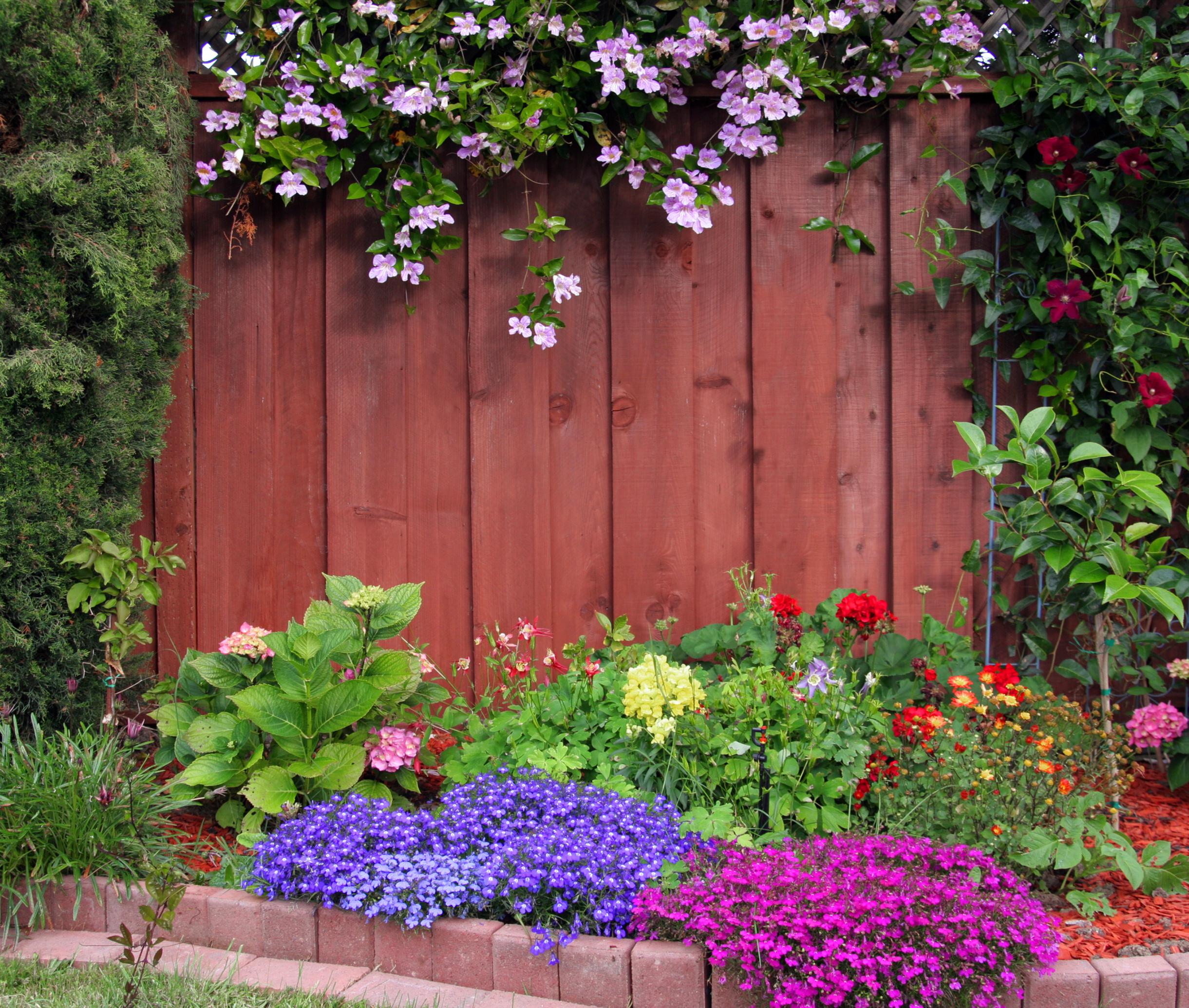
Late summer in Des Moines brings a noticeable shift in the air. Humidity rises, mornings feel heavier, and outdoor materials respond to the added moisture. For homeowners with traditional wood fencing, this seasonal change often reveals subtle details that were invisible during spring installation. Slight board expansion, tighter seams, and deeper wood tones become more apparent as moisture levels climb. Many residents begin evaluating these seasonal changes after consulting experienced professionals, such as Top Rail Fence Des Moines, to better understand how humidity influences long-term fence performance.
Unlike synthetic materials, traditional wood fencing reacts naturally to environmental conditions. That responsiveness is not a flaw. It is part of what gives wood its character and resilience. Still, understanding what to expect when humidity rises helps homeowners plan smarter maintenance and installation strategies.
Why Humidity Affects Wood More Than You Think
Natural Expansion During Moisture Spikes
Wood is a porous material. When humidity increases, boards absorb small amounts of airborne moisture. In Des Moines, late summer humidity can cause boards within wood fencing systems to expand slightly. This may reduce visible gaps between pickets or create a firmer feel when opening gates.
Professional wood fence installation accounts for this movement by spacing boards properly during construction. Installers leave calculated room for seasonal expansion so that panels remain stable rather than bowing under pressure.
Surface Appearance Changes
Higher humidity often deepens the color of traditional wood fencing, especially if it has been stained or sealed. The richer tone many homeowners notice in August is typically a temporary effect caused by moisture absorption at the surface level.
While these visual changes are normal, uneven coloration can signal areas where airflow is restricted. Maintaining consistent ventilation along fence lines helps boards dry evenly once humidity drops.
The Subtle Signs Homeowners Observe
Tighter Joints and Reduced Gaps
One of the most common late-summer observations is reduced spacing between boards. During drier months, small gaps may be visible. As humidity increases, expansion minimizes those openings. This natural shift reassures homeowners that their wood fencing was installed with proper spacing.
However, if boards press tightly against one another, it may indicate insufficient allowance during wood fence installation. Addressing that early prevents long-term stress on fasteners.
Gate Alignment and Latch Pressure
Humidity can also affect gate performance. Slight swelling may cause gates to feel heavier or latches to align differently. These seasonal adjustments are typically minor but worth monitoring.
At Top Rail Fence Des Moines, installers factor in both temperature and moisture patterns specific to Des Moines to reduce seasonal misalignment.
How Installation Strategy Influences Humidity Response
Board Orientation and Grain Considerations
The direction of the wood grain affects how boards absorb moisture. Vertical installations tend to shed water more efficiently, while horizontal designs may hold moisture longer after rainfall.
Homeowners researching design options often explore wood fencing advantages to understand how layout and airflow impact durability. Choosing the right configuration supports better performance during humid months.
Post Depth and Air Circulation
Beyond the boards themselves, post placement influences how well traditional wood fencing handles moisture. Proper depth and gravel backfill promote drainage at ground level. Without it, water can accumulate around posts, increasing the likelihood of premature wear.
Because wood fence installation relies heavily on site preparation, soil composition in Des Moines becomes part of the equation.
Maintenance Timing Matters in Late Summer
Avoid Sealing During Peak Humidity
Applying sealant when moisture levels are high can trap humidity within the wood. Allowing boards to dry fully before treatment ensures better absorption and longer-lasting protection.
Routine inspection during late summer helps homeowners determine whether their traditional wood fencing is drying evenly or retaining excess moisture in shaded areas.
Cleaning Without Over-Saturating
Gentle cleaning removes debris that can hold dampness against boards. However, over-washing may increase moisture exposure. Balanced care preserves structural integrity without accelerating expansion cycles.
According to the National Wood Flooring Association, wood materials naturally expand and contract in response to humidity changes, reinforcing why controlled moisture exposure and airflow are essential for long-term performance in exterior applications.
Understanding Wood Fence Cost in Humid Climates
Long-Term Value Beyond Initial Pricing
When evaluating wood fence cost, homeowners sometimes focus only on the upfront expense. Yet humidity response plays a role in long-term budgeting. A properly installed fence that accommodates expansion will require fewer adjustments over time.
Choosing quality materials and experienced installers often reduces repair frequency, protecting the overall investment in traditional wood fencing.
Balancing Material Quality and Performance
Higher-grade lumber may cost more initially, but it typically responds more consistently to humidity. Dense grain patterns resist uneven swelling, preserving alignment and appearance.
Homeowners in Des Moines who weigh both wood fence cost and environmental conditions tend to achieve better long-term satisfaction.
Planning for Seasonal Confidence
Designing With Climate Awareness
Humidity is not an obstacle. It is simply part of Iowa’s climate pattern. Recognizing how traditional wood fencing behaves during late summer empowers homeowners to plan installation and maintenance accordingly.
Working with knowledgeable professionals ensures spacing, hardware selection, and airflow considerations are addressed from the start.
Local Expertise Makes the Difference
Top Rail Fence Des Moines understands how late-summer humidity, spring rainfall, and winter freezes interact to shape fence performance. By combining climate insight with precision craftsmanship, they help homeowners maintain durable and attractive wood fencing year after year.
If you are noticing seasonal changes in your fence or considering new wood fence installation, Contact Us to discuss a plan tailored to Des Moines conditions. Thoughtful preparation today ensures your traditional wood fencing remains strong, balanced, and visually appealing through every humidity cycle.