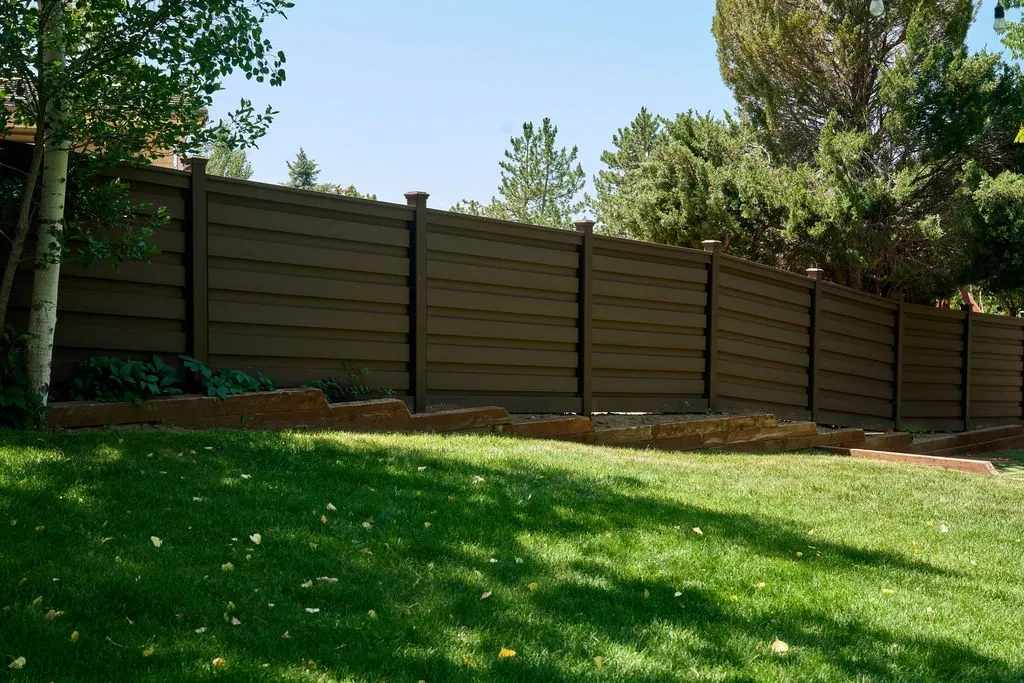
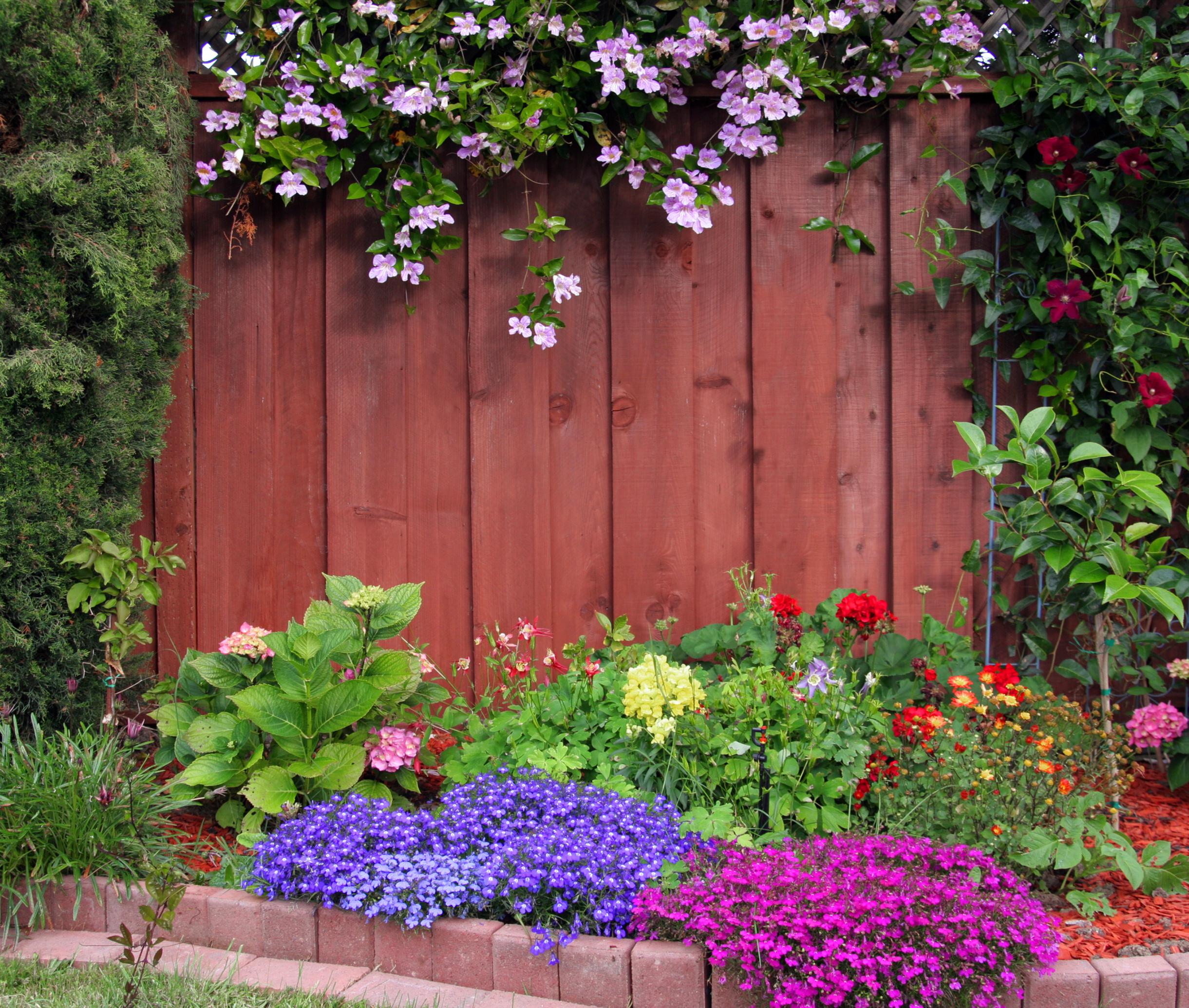
A traditional wood fence adds warmth, privacy, and character to a property, but many homeowners in Des Moines notice that wear does not happen evenly across the fence line. Some sections darken faster, certain boards warp earlier, and a few posts begin to lean while others remain straight. This uneven aging is not random. It is the result of environmental exposure, installation context, and how different fence components interact with moisture and soil over time.
Understanding why a traditional wood fence wears unevenly helps homeowners make smarter maintenance decisions and plan more durable wood fence installation projects from the start.
Environmental Factors That Accelerate Uneven Wear
Sun Exposure and Shade Patterns
Sunlight plays a major role in how wood fencing ages. Fence sections exposed to consistent afternoon sun dry faster and experience more UV breakdown, while shaded areas retain moisture longer.
Over time, this contrast causes visible color variation and surface texture differences along the same fence run. In Des Moines, tree coverage and neighboring structures often create inconsistent exposure across properties.
Prevailing Wind and Weather Direction
Wind-driven rain rarely hits a fence evenly. Sections facing dominant storm directions absorb more moisture, especially on open lots.
This repeated exposure contributes to faster deterioration in select areas of a traditional privacy fence, even when materials are identical throughout.
Ground Contact and Moisture Influence
Soil Drainage Differences Along the Fence Line
Not all soil drains equally. Low spots and compacted areas hold water longer, keeping fence bases damp.
This is one reason a traditional wood fence may show early wear at one end while remaining stable elsewhere. Proper grading during wood fence installation reduces these moisture pockets.
Splashback From Rain and Irrigation
Sprinklers and roof runoff often impact only certain fence sections. Repeated splashback saturates lower boards, accelerating rot and discoloration.
Installing kickboards or adjusting irrigation patterns helps protect vulnerable sections of wood fencing.
Structural Components and Wear Patterns
Posts as Stress Concentration Points
Fence posts bear the majority of the structural load. When soil shifts unevenly, stress transfers to rails and pickets nearby.
This causes localized movement and early wear in certain fence sections, especially in longer traditional privacy fence runs.
Rail Alignment and Board Tension
Rails that settle unevenly place tension on pickets, leading to cracking or twisting. These issues usually appear in clusters rather than across the entire fence.
Attention to rail spacing during wood fence installation minimizes these pressure points.
Installation Choices That Influence Longevity
Depth and Compaction Variations
Even small inconsistencies in post depth can affect how a traditional wood fence responds to seasonal changes.
Professional installers account for soil conditions and adjust installation depth accordingly.
Material Orientation and Board Placement
Boards installed too close to the ground absorb moisture faster. Strategic spacing improves airflow and drying time.
This detail plays a major role in preventing uneven wear across wood fencing systems.
Why Privacy Sections Wear Differently
Reduced Airflow Behind Solid Panels
A traditional privacy fence restricts airflow, trapping moisture on one side. This is especially noticeable in areas with dense landscaping or limited sun exposure.
Moisture retention speeds up aging on sheltered sides of the fence while exposed sides dry faster.
Height and Wind Load Differences
Taller privacy sections catch more wind. Increased movement stresses posts and rails unevenly, especially where soil conditions vary.
This explains why certain panels of a traditional wood fence may loosen or lean before others.
Maintenance Habits That Reveal Wear Patterns
Cleaning and Sealing Frequency
Homeowners often clean or seal only visible fence sections. Neglected areas accumulate moisture and debris, accelerating wear.
Consistent maintenance across the entire traditional wood fence helps prevent noticeable aging differences.
Landscaping Contact
Vines, mulch, and shrubs resting against fence boards trap moisture and block airflow.
Keeping plant growth trimmed away from wood fencing improves drying and reduces premature wear.
Professional Insight on Wood Aging
According to guidance from the USDA Forest Products Laboratory, wood deterioration accelerates when moisture levels remain elevated for extended periods. This reinforces why uneven moisture exposure leads directly to uneven wear.
Understanding moisture behavior is key to extending the life of a traditional wood fence.
Choosing the Right Installation Partner
Local Experience Matters
Installers familiar with Des Moines neighborhoods understand how soil composition, weather patterns, and lot layouts affect fence performance.
Working with Top Rail Fence Des Moines ensures that wood fence installation decisions account for these local variables from day one.
Custom Solutions Over Standard Layouts
Uniform installation methods often fail to address site-specific challenges. Custom spacing, drainage planning, and material selection reduce long-term wear issues.
This approach is a defining factor behind the durability standards used by Top Rail Fence Des Moines.
Planning Ahead for Even Aging
Site Assessment Before Installation
Evaluating slope, sun exposure, and drainage helps predict where wear may occur first.
Thoughtful planning allows homeowners to reinforce vulnerable sections during wood fence installation rather than repairing them later.
Ongoing Inspections and Adjustments
Seasonal inspections catch early signs of uneven wear. Addressing small issues prevents widespread damage.
Homeowners needing expert guidance can reach out through the Contact Us page for personalized recommendations.
Final Thoughts on Uneven Wood Fence Wear
Uneven aging in a traditional wood fence is a result of environment, structure, and installation context rather than material quality alone. In Des Moines, moisture patterns, soil variability, and exposure differences amplify these effects.
By understanding these factors and partnering with professionals like Top Rail Fence Des Moines, homeowners can enjoy longer-lasting wood fencing that ages more evenly and maintains its visual appeal for years to come.