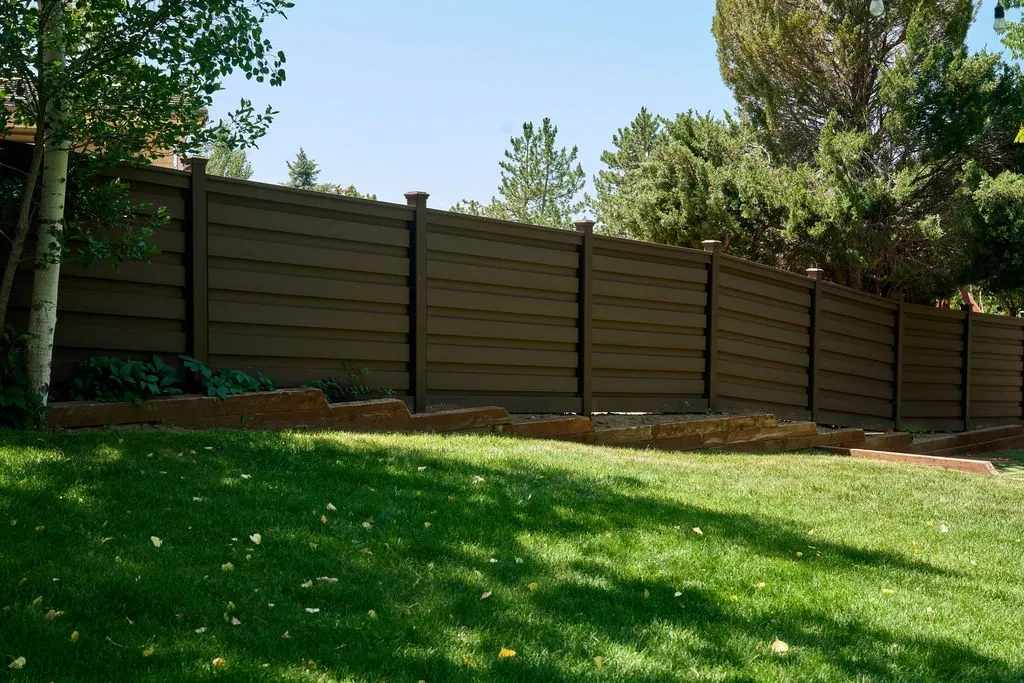
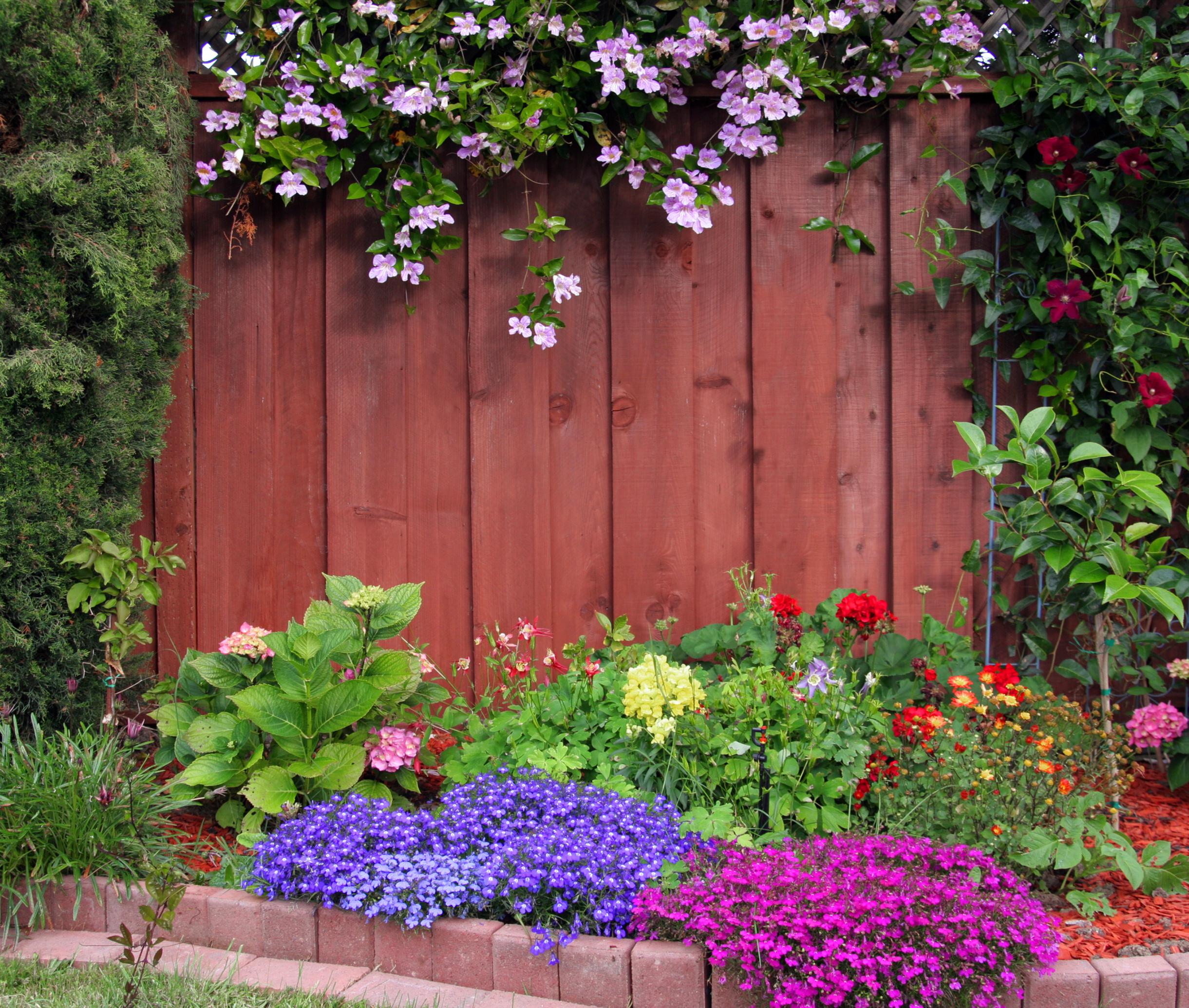
Choosing a traditional wooden fence is often about more than marking property lines. For many homeowners in Des Moines, it is a long-term investment tied to privacy, curb appeal, and property value. Yet after installation, some realize there was a specific traditional wooden fence decision they overlooked, one that could have significantly improved durability, appearance, and overall satisfaction. Many residents begin researching solutions through Top Rail Fence Des Moines to better understand why this choice matters before committing to a project.
Understanding what makes a traditional wooden fence truly perform well in Iowa’s climate can help homeowners avoid regret and plan with confidence.
What Makes a Traditional Wooden Fence a Lasting Investment
A traditional wooden fence stands apart from modern materials because of its natural adaptability and timeless appearance. Wood expands and contracts with temperature changes, allowing it to handle seasonal shifts more gracefully when properly selected and installed. Homeowners who focus only on upfront cost often miss how material quality and design influence long-term performance.
The most common regret comes from skipping deeper evaluation of wood fence choices before installation. Not all wood species, cuts, or construction styles behave the same once exposed to sun, moisture, and freezing temperatures.
Understanding Wood Selection Beyond Appearance
Why Species Matters More Than Most Expect
Different wood fence choices respond uniquely to moisture and UV exposure. Cedar resists insects naturally, while pressure-treated pine relies on preservatives to slow decay. A traditional wooden fence built without considering these characteristics may weather unevenly or require more frequent maintenance.
Grain Structure and Board Quality
Beyond species, grain tightness and board grading influence longevity. Lower-grade boards may contain knots or inconsistent grain patterns that invite splitting over time. Choosing higher-quality lumber helps a traditional wooden fence age evenly rather than deteriorate in isolated sections.
How Proper Wood Fence Installation Prevents Regret
Post Placement and Soil Conditions
Professional wood fence installation accounts for soil composition, drainage, and frost depth. Improperly set posts can shift during freeze-thaw cycles, creating uneven panels or structural stress. This is often the turning point where homeowners realize their traditional wooden fence could have lasted longer with better installation practices.
Midway through planning, many homeowners review construction standards and material options available through wood fencing services to better understand how installation choices influence fence lifespan.
Fasteners and Hardware Selection
The wrong fasteners can accelerate corrosion and weaken connections. Galvanized or stainless hardware ensures the structural integrity of a traditional wooden fence remains intact through years of exposure to moisture and temperature changes.
Why Design Choices Shape Long-Term Satisfaction
Evaluating Wooden Privacy Fence Designs
Among the most overlooked decisions are wooden privacy fence designs. Solid panels provide seclusion but limit airflow, while shadowbox designs allow ventilation that helps wood dry faster after rain or snow. Homeowners who skip this consideration often notice uneven aging or moisture-related issues.
Fence Height and Orientation
Taller fences face greater wind load and sun exposure. Orientation relative to prevailing winds and sunlight affects how a traditional wooden fence dries after storms. Strategic design choices reduce stress on boards and posts, contributing to consistent aging.
Maintenance Planning Is the Step Many Skip
Timing Matters More Than Products
Sealing or staining too early traps moisture, while waiting too long leaves wood unprotected. A traditional wooden fence benefits from proper drying time before finishing, ensuring treatments penetrate evenly and protect against moisture absorption.
Routine Care Prevents Premature Wear
Gentle cleaning and periodic inspections help identify early signs of wear. Addressing minor issues early preserves the structure and appearance of a traditional wooden fence, preventing costly repairs later.
Research from Iowa State University Extension shows that wood fence durability in Midwest climates depends heavily on moisture control, airflow, and material selection, reinforcing why thoughtful design and maintenance are essential for any traditional wooden fence in Des Moines.
Why Local Insight Makes a Difference in Des Moines
Climate conditions in Des Moines demand local expertise. Top Rail Fence Des Moines understands how Iowa’s humidity, winter freezes, and soil conditions affect every traditional wooden fence installed across the region. This local perspective helps homeowners make informed decisions that balance aesthetics, performance, and longevity.
Skipping local guidance is often the decision homeowners regret most. A fence that looks great initially may struggle prematurely without climate-appropriate materials and construction methods.
Making the Choice Homeowners Wish They Had Made Sooner
The traditional wooden fence choice many homeowners regret skipping is not a single product or style, but a comprehensive approach. Evaluating wood fence choices, investing in professional wood fence installation, and selecting appropriate wooden privacy fence designs work together to create a fence that performs as beautifully as it looks.
When these factors align, a traditional wooden fence becomes a lasting asset rather than a recurring concern.
Planning Your Wood Fence With Confidence
If you are considering a traditional wooden fence or reassessing your current fence, expert guidance makes all the difference. Top Rail Fence Des Moines helps homeowners navigate materials, design, and installation with clarity and confidence. To discuss your project and avoid the regret so many experience, visit the Contact Us page and take the next step toward a wood fence designed to stand the test of time in Des Moines.