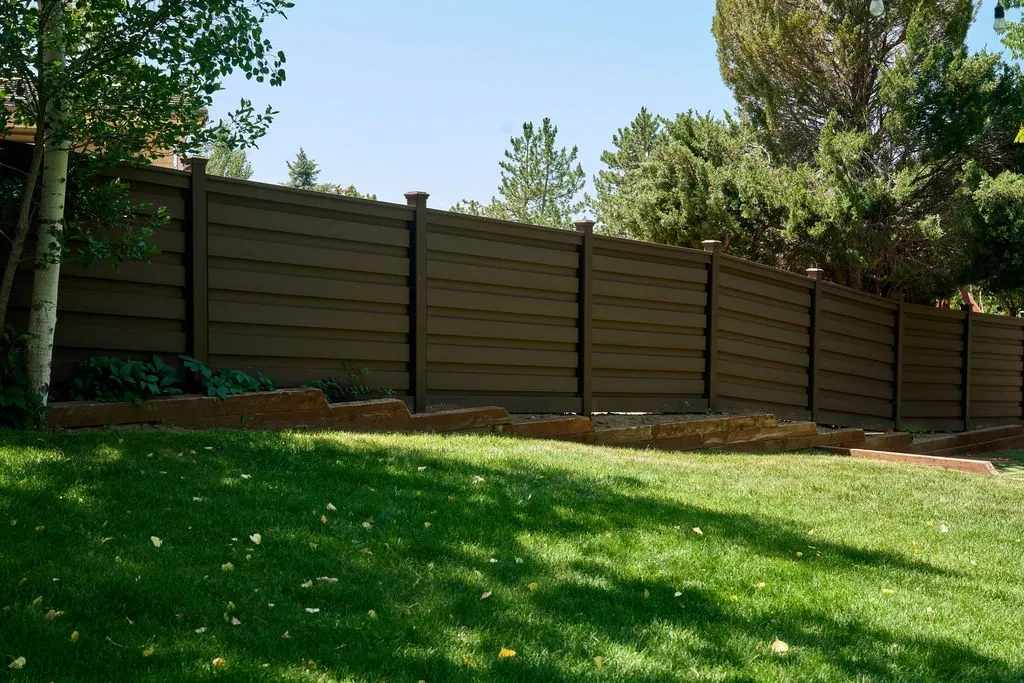
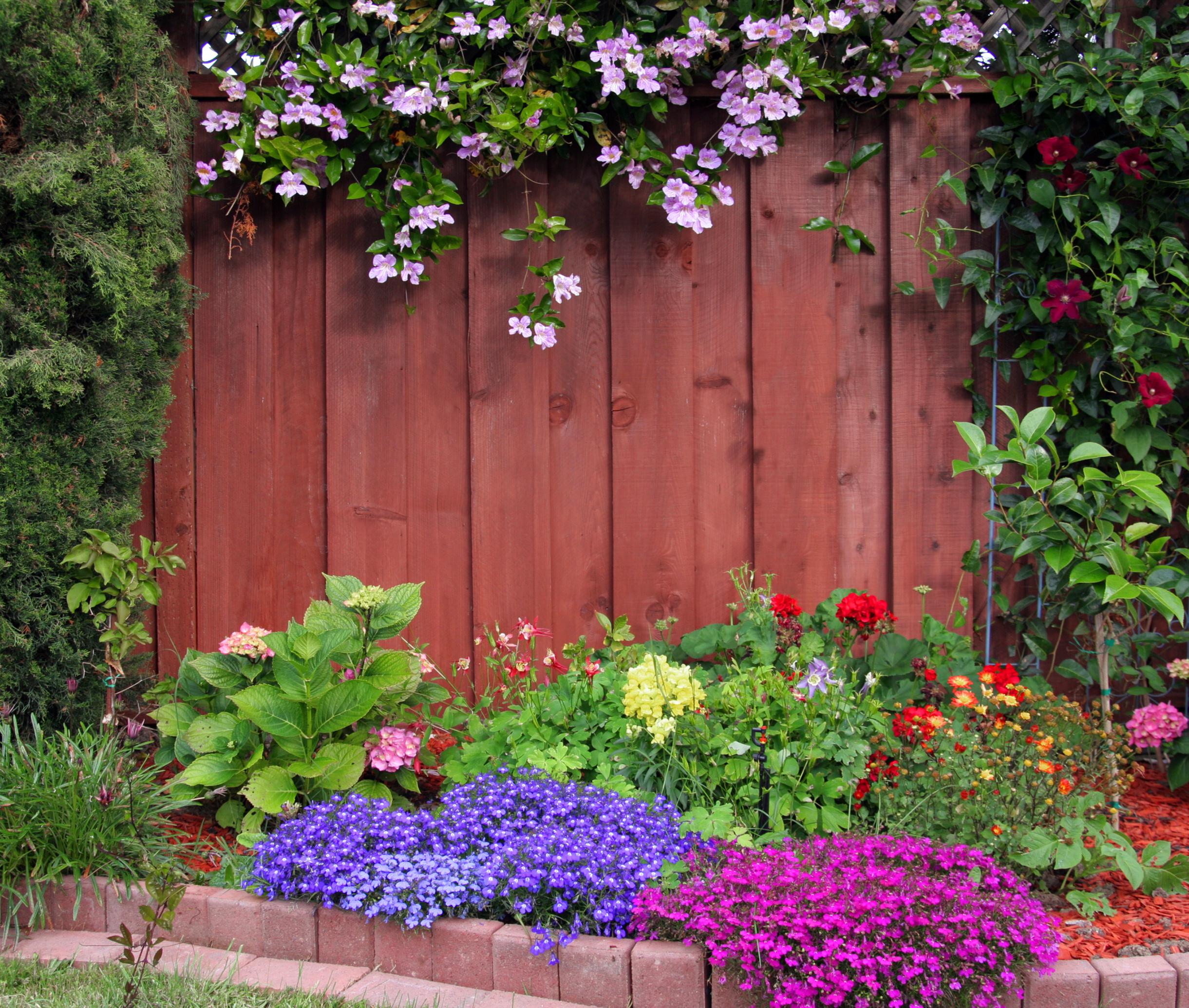
Wood fencing brings timeless appeal and warmth to any property. From suburban homes to sprawling estates, it enhances both security and curb appeal. But in Des Moines, where humid summers and unpredictable rainfall can take a toll, proper maintenance becomes essential. Without consistent care, even the most durable wood fences can warp, discolor, or deteriorate over time.
In this guide, you’ll learn how to protect and preserve your fence’s natural beauty through practical maintenance strategies designed specifically for Des Moines’ humid climate.
Why Wood Fencing Needs Extra Care in Humid Climates
Humidity increases the amount of moisture absorbed into your fence, leading to swelling, rot, and mold growth. The constant expansion and contraction can cause cracks or loosened fasteners, especially in untreated wood.
Whether you have a wood privacy fence or a decorative picket style, the same principle applies: moisture management is key. Regular maintenance not only extends your fence’s lifespan but also saves you money in long-term repairs.
You can read more about how humidity affects outdoor wood structures from this helpful U.S. Department of Agriculture Forest Products Laboratory guide, which explains moisture’s impact on wood behavior and preservation.
Essential Steps to Maintain Wood Fencing in Des Moines
Clean Your Fence Regularly
Start by removing dirt, mildew, and pollen buildup using a mild detergent and a soft brush. Avoid high-pressure washing unless necessary, as it can strip protective coatings. Gentle cleaning at least twice a year helps prevent discoloration.
For residents who use wood fencing near gardens or shaded areas, mildew tends to appear faster. Keeping vegetation trimmed back allows airflow, helping your fence dry more efficiently.
Seal and Stain for Protection
Applying a sealant or stain every 12 to 18 months prevents moisture from penetrating the wood. Choose products that include UV blockers to resist fading under the summer sun. Whether you choose a clear sealant to highlight the grain or a pigmented stain for added color, ensure it’s rated for exterior residential fencing.
Professionals from Top Rail Fence Des Moines often recommend oil-based stains for deeper penetration and longer-lasting protection.
Inspect for Damage Each Season
Regular inspection is crucial. Check for loose nails, splintering boards, or rotting sections after storms or heavy rainfall. Prompt repairs prevent minor issues from spreading. If you need expert help, you can reach out via the Contact Us page to schedule a fence inspection or maintenance service.
Choosing the Right Wood for Long-Term Durability
Not all woods perform the same in humid environments. Cedar and redwood are naturally rot-resistant, while pine must be pressure-treated for strength. When planning a new wood fence installation, consider durability alongside appearance and cost.
Top Rail Fence Des Moines offers guidance on selecting the ideal material based on local weather conditions and maintenance preferences. You can explore different options on our Fencing Services page to find what fits your property best.
The Importance of Proper Drainage and Airflow
Moisture around the base of your fence posts is a common issue in humid climates. Ensure that soil doesn’t touch the lower rails or panels and that your yard slopes slightly away from the fence to promote drainage.
Spacing boards slightly apart also improves ventilation. This small design choice significantly reduces the risk of rot and mold growth on your wood fencing and wood privacy fence.
If your property is prone to standing water after storms, consider installing gravel or a French drain near the fence line for improved runoff control.
Learn more about managing water around structures by reviewing this resource on sustainable drainage solutions from EPA’s Green Infrastructure.
Seasonal Maintenance Tips for Des Moines Homeowners
- Spring: Wash away winter debris, reapply a fresh coat of sealant, and inspect the base of fence posts for soft spots or soil erosion.
- Summer: Perform monthly visual checks for warping or discoloration caused by heat and humidity.
- Fall: Trim foliage away from the fence and prepare for wet conditions by tightening fasteners.
- Winter: Avoid piling snow against the fence line, as thawing moisture can seep into the wood.
These simple habits help ensure that your residential fencing remains attractive and durable for years.
When to Call in the Professionals
While DIY care goes a long way, there are times when you need professional help. Warping, leaning posts, and structural damage are best handled by experts.
The experienced technicians at Top Rail Fence Des Moines can assess your fence’s condition and provide tailored maintenance solutions to restore its strength and appeal. To learn more about other fencing materials beyond wood, check out our Vinyl Fencing section for comparisons.
Final Thoughts
Keeping your wood fencing in top condition throughout Des Moines’ humid summers is all about consistency. With regular cleaning, sealing, and inspection, you can preserve its natural look and structural integrity.
Partnering with Top Rail Fence Des Moines ensures expert guidance and professional care that protects your investment year after year. Whether it’s a classic wood privacy fence or a custom residential fencing project, attention to detail makes all the difference.