A well-built fence is more than just a boundary; it’s a lasting investment that enhances privacy, security, and the overall look of your property. For homeowners in the Florida Panhandle, where weather can shift from sunny to stormy in minutes, planning every stage of your project is key to success.
These fence installation tips will help you prepare, choose the right materials, and ensure your fence stands strong against regional conditions.
Understanding the Climate Challenges in the Florida Panhandle
The Florida Panhandle experiences high humidity, frequent rain, and occasional tropical storms, which can all affect fence building. These conditions make material selection and installation timing critical.
Wood can warp if not properly treated, while metal might rust without protective coatings. Vinyl offers resilience, but it must be installed precisely to avoid sagging in extreme heat. Planning helps prevent these common issues.
According to the Florida Climate Center, the region’s average annual rainfall exceeds 60 inches, making moisture control an important consideration for any outdoor structure.
Preparing Your Property Before Installation
Preparation is often the most overlooked step in fence installation tips, yet it’s one of the most important. Before breaking ground, walk the property line to ensure no obstructions interfere with the layout. Remove debris, mark underground utilities, and verify property boundaries to avoid disputes with neighbors.
This process not only prevents setbacks but also ensures your new fence complies with local regulations. For residents of the Florida Panhandle, verifying zoning codes with your city’s building department is essential since setback requirements can vary by county.
If you’re planning a new project, you can learn more about local services on the Fence Installation page of Top Rail Fence Florida Panhandle, which offers expert guidance on compliance and planning.
Choosing the Right Materials for Long-Term Durability
Selecting the right material for residential fencing in the Florida Panhandle is all about balancing durability with maintenance.
Wood fences are popular for their natural look, but moisture-resistant species like cedar or pressure-treated pine are ideal for this region. If you prefer minimal upkeep, vinyl and composite materials resist both rot and insects.
For coastal homeowners, aluminum or powder-coated steel fences are smart choices since they resist salt corrosion and require less maintenance.
You can explore more fencing options suited to your needs on Top Rail Fence Florida Panhandle’s Services page, where you’ll find materials designed to handle both humidity and high winds.
Step-by-Step Fence Installation Process
1. Site Measurement and Layout
Begin by measuring your property perimeter accurately. Use stakes and string lines to mark your desired layout and identify gate placements. Accurate measurement reduces waste and ensures materials are cut precisely.
2. Digging and Setting Posts
Post depth is vital in areas prone to high winds like the Florida Panhandle. Install posts at least one-third of their height underground, and use quick-setting concrete to secure them. This prevents leaning and adds stability to the overall structure.
If you’re unsure about soil conditions, consulting a professional installer from Top Rail Fence, Florida Panhandle, ensures your posts are set properly for long-term performance.
3. Installing Panels or Boards
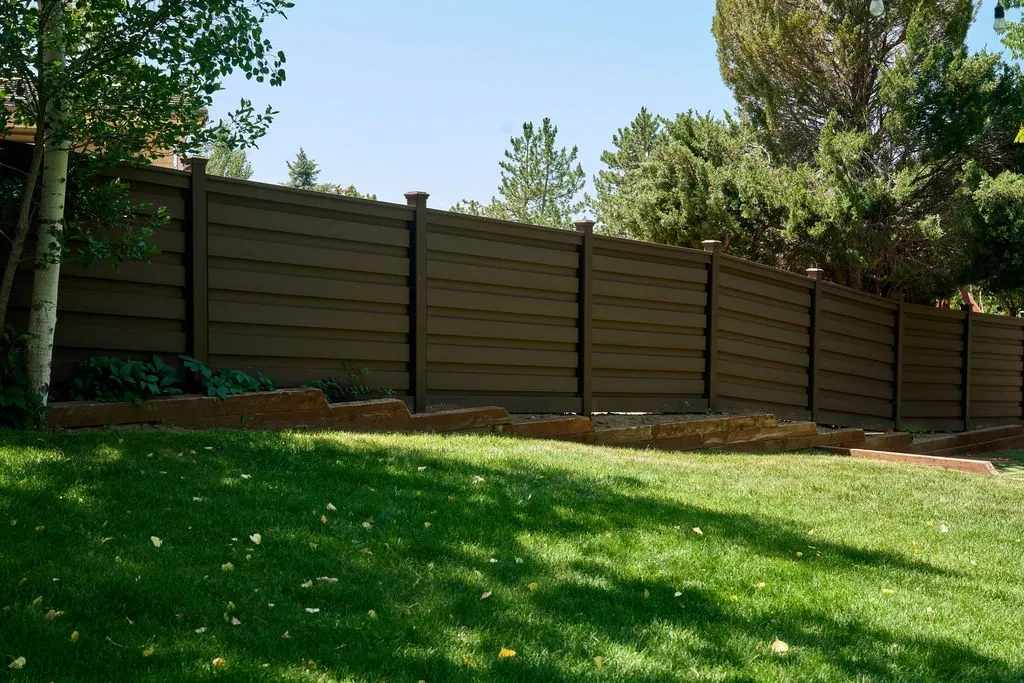
Once the posts are stable, attach panels or pickets securely, maintaining even spacing between boards. For privacy fence installation, this step determines both appearance and airflow. Proper spacing helps the fence withstand strong wind gusts common in coastal regions.
4. Finishing Touches
Seal or stain wood fences to protect against moisture and sunlight. Clean up debris, inspect for alignment, and apply corrosion-resistant fasteners to prevent rusting in humid air.
Safety and Permitting Considerations
Most Florida counties require permits for fence building, especially when the height exceeds six feet or when installing near shared property lines. Always confirm these requirements with local authorities before beginning your project.
Additionally, marking underground utilities prevents damage and ensures safety during digging. Homeowners can call 811, a free national service that identifies utility lines before any excavation begins.
To contact professionals familiar with these requirements, visit the Contact Us page to connect directly with certified installers who understand local regulations.
Tips for Maintaining Your Fence After Installation
After your fence installation, routine maintenance keeps it looking great and performing well through Florida’s weather extremes.
- Inspect annually: Check for loose boards, rusted screws, or leaning posts.
- Clean regularly: Remove salt deposits and dirt using gentle soap and water.
- Repaint or reseal: Every few years, apply a protective finish to maintain strength and color.
Final Thoughts
Building a fence in the Florida Panhandle requires thoughtful planning, quality materials, and consistent upkeep. Following these fence installation tips ensures your investment withstands both the weather and time.
With professional insight from Top Rail Fence Florida Panhandle, homeowners can feel confident that their fence will remain sturdy, attractive, and compliant with local codes. Whether it’s a privacy fence installation for added seclusion or durable residential fencing to frame your property, careful preparation makes all the difference.