Investing in fence installation is often portrayed as a straightforward project: choose a style, pick a material, get it installed, and enjoy your yard. But in the Florida Panhandle, homeowners frequently encounter unexpected expenses that fall outside the basic quote. From terrain challenges to material choices and long‑term maintenance, the real cost of a fence can be significantly higher than anticipated. Working with the right provider means understanding the full scope of the project. For instance, if you want local expertise and reliable service, the Florida Panhandle location page of Top Rail Fence Florida Panhandle gives insight into how they handle hidden cost issues and helps you plan accordingly.
Why Quotes Often Miss Key Cost Factors
When you receive a fence installation estimate, it might cover only materials and basic labor. Here are often‑overlooked cost drivers:
Permits, Regulatory Fees, and HOA Requirements
Your local municipality or homeowners association may require permits, inspections, or specific setbacks. These fees are frequently omitted in initial quotes. A permit could cost several hundred dollars, depending on zoning, proximity to water, or if your property faces special environmental conditions (common near the Gulf Coast).
Site Access, Terrain & Removal of Old Fence
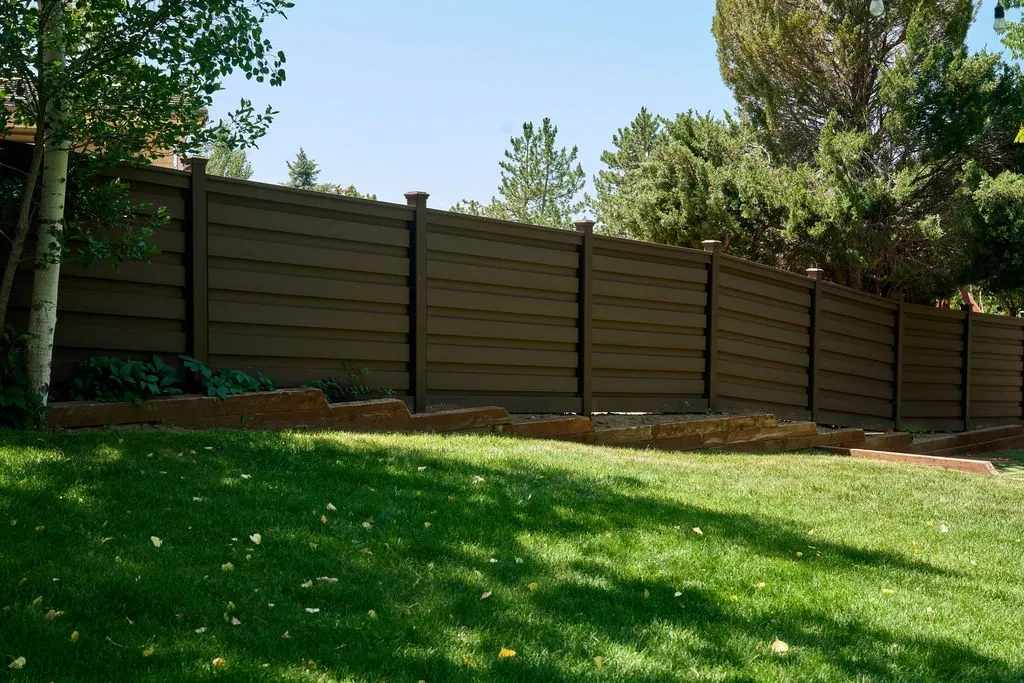
Your property’s slope, drainage issues, or previous fence removal can dramatically increase labor. A simple flat lot may install quickly, but if your yard has hills, trees to clear, or an old fence to dismantle, installation time and effort rise.
Material Price Fluctuations and Upgrades
Prices for fence materials like vinyl, treated wood, or metal can shift rapidly due to supply chain, demand, or weather impact. Also, upgrading from a basic picket style to full privacy panels or storm‑resistant posts adds cost. For homeowners comparing choices, this external guide on fence materials explains how each type performs under different climates.
How the Microclimate Impacts Cost and Durability
Coastal Humidity, Salt Air & Moisture
If your home is near the Gulf or a bay, moisture and salt‑laden air accelerate corrosion, wood rot, and hardware failure. That means your basic residential fence installation needs to factor in moisture‑resistant materials, premium coatings, and deeper, stabilized footers to avoid settling in wet soil.
Inland Heat, Sun Exposure & UV Damage
Inland parts of the Panhandle experience intense summer sun and high UV exposure. That means panels can fade, warp, or require more frequent replacement or protective treatments. Even if your quote covers installation, it may not cover future maintenance costs unless clearly stated.
Wind Loads & Storm Preparation
Florida’s Panhandle is prone to high winds, especially during storms. When considering privacy fence installation, you should ask about reinforced posts, anchor systems, and how the fence performs under gusts. A proper installation may add cost upfront, but save you from damage and replacement later.
Material Choice: What Real Homeowners Should Know
Selecting the right fence materials is critical for both upfront cost and long‑term value. Here’s how common choices compare in the Panhandle context:
- Vinyl: Often rated for moisture, UV resistance, and minimal upkeep. While the initial cost might be higher than basic wood, fewer repairs and longer life reduce the lifetime cost.
- Treated Wood: Offers classic appeal and lower upfront cost but often requires annual sealing, insect treatment, or repair in humid zones. Over time, maintenance adds up.
- Metal / Aluminum: Excellent for wind and weather, very low maintenance. Typically, more expensive initially, but a strong investment for storms.
- Composite or Hybrid Materials: These combine benefits but often come with premium pricing.
When you receive your fence installation estimate, ask the provider to break down how the material choice impacts durability and long‑term cost.
Getting a Reliable Estimate & Planning Ahead
Ask for a Detailed Scope
A quote should list materials, labor, permit fees, site prep, removal of old fence, and any special labor for terrain or climate conditions.
Compare Local Providers
Working with a local fence company like Top Rail Fence Florida Panhandle ensures you benefit from area experience, knowledge of weather patterns, and compliance with local codes.
Plan for Maintenance Early
Even with a great installation, your fence will require upkeep. Discuss maintenance terms and lifetime expectations with your installer. Use fence tips such as scheduling annual inspections, cleaning, and checking hardware to avoid surprise expenses.
Final Thoughts
A successful fence installation in the Florida Panhandle involves more than just picking a style and material. By acknowledging hidden cost factors, from microclimates to material durability, you’ll obtain a more accurate fence installation estimate and make smarter decisions. Whether your project is a full privacy fence installation or a standard backyard replacement, working with knowledgeable professionals, choosing robust fence materials, and planning for climate challenges ensures your investment pays off. Reach out to Top Rail Fence Florida Panhandle, today for a consultation and get your project started right.