When homeowners in the Florida Panhandle plan a new fence installation, one of the biggest challenges is choosing the right fence materials that can withstand the area’s humid, coastal weather. Between heavy rain, salty air, and high humidity levels, some materials break down faster than others, causing rust, warping, or fading over time. To make your investment last, it’s crucial to understand how climate affects different fencing types and what steps you can take to maintain them.
With years of experience in coastal fence services, Top Rail Fence Florida Panhandle has helped residents protect their properties by selecting materials that offer both durability and style. This fence guide will walk you through the best fencing options for humid environments and how to choose one that meets your needs.
Understanding Humidity’s Impact on Fence Longevity
The warm, moist air in the Florida Panhandle can cause long-term wear on outdoor structures. Wooden fences may absorb moisture, leading to expansion and decay, while certain metals may corrode more quickly when exposed to salty air. That’s why choosing climate-resistant fence materials is vital.
Vinyl, aluminum, and composite fencing are often preferred in coastal regions for their ability to resist mold, mildew, and rust. Unlike untreated wood, these materials maintain their structure even after years of exposure to moisture. You can explore more about weatherproof fencing options in this fence installation guide to find what works best for your home.
The Best Fence Materials for Coastal Conditions
Each fencing material offers different benefits and trade-offs. Here’s a look at some top choices for the Florida Panhandle:
Vinyl Fencing:
Vinyl is one of the most low-maintenance fence materials available. It doesn’t absorb moisture, which means it won’t rot, crack, or peel. It’s also resistant to insects, a common concern in humid climates.
Aluminum Fencing:
Aluminum is another excellent choice for fence installation near the coast. It’s lightweight, durable, and completely rust-proof. This makes it ideal for homeowners who want a long-lasting, decorative fence that can handle frequent rain and salty air.
Composite Fencing:
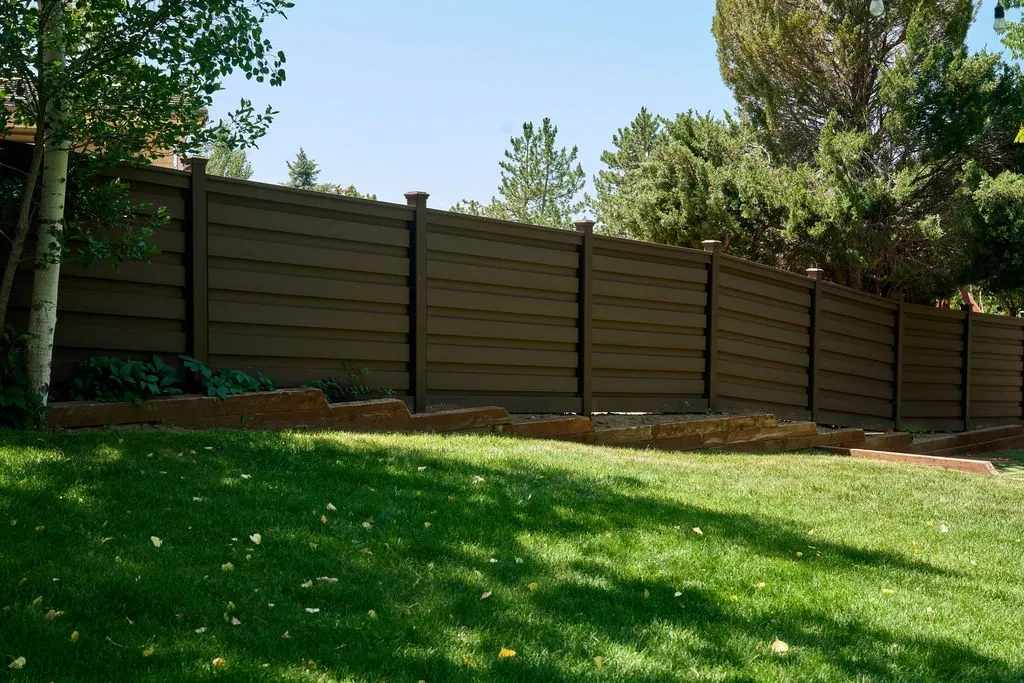
Composite fences blend the aesthetic of natural wood with the endurance of synthetic materials. They don’t warp or split and can endure humidity far better than standard wooden fences.
Pressure-Treated Wood:
If you prefer the classic look of wood, opt for pressure-treated lumber. It’s chemically treated to resist decay and termites. However, regular maintenance is essential to keep it looking good over time.
Learn more about our full range of fence services at Top Rail Fence Florida Panhandle’s location page.
How to Maintain Fences in Humid and Coastal Areas
Even the best fence installation requires consistent care to remain in top condition. Here are practical tips for maintaining your fence in the Florida Panhandle:
- Clean Regularly: Wash your fence with mild soap and water every few months to remove salt residue, dirt, and mildew.
- Apply Protective Coatings: For wood fences, apply sealants or stains that create a barrier against moisture.
- Inspect for Damage: Regularly check for cracks, rust, or loose posts, especially after strong winds or heavy rain.
- Maintain Clearance: Keep plants and sprinklers away from the fence to prevent moisture buildup and fungal growth.
For a complete breakdown of maintenance techniques, check out this helpful article from Better Homes & Gardens on outdoor maintenance.
Factors to Consider Before Choosing Fence Materials
Before deciding on materials for your fence installation, think beyond just the weather. Budget, appearance, and long-term maintenance costs all matter.
If you’re looking for privacy, vinyl or composite options offer solid panels that effectively block views. For a more open and decorative look, aluminum fencing works beautifully around gardens or pools. You can also combine materials, such as pairing aluminum framing with vinyl panels, for both aesthetic appeal and strength.
Your property layout and soil type also influence which material performs best. A professional consultation from Top Rail Fence Florida Panhandle can help you choose materials based on your yard’s slope, exposure to wind, and proximity to the coastline.
To discuss the best options for your property, visit our Contact Us page and request a free estimate.
Why Professional Fence Installation Matters
Although DIY projects can seem cost-effective, professional fence services ensure your fence is properly installed and built to endure coastal weather. Poor installation can lead to leaning posts, gaps, or water infiltration that shortens the fence’s life.
Top Rail Fence Florida Panhandle uses specialized techniques to handle the unique soil and weather challenges of coastal regions. From setting the right post depth to using corrosion-resistant fasteners, professionals ensure a stable and long-lasting result. For inspiration on material combinations and custom designs, visit our fence types page.
Conclusion
Choosing the right fence materials for the Florida Panhandle’s humid climate means understanding how each type reacts to moisture and salt exposure. Whether you prefer vinyl for its easy upkeep, aluminum for its durability, or composite for its balance of style and strength, your decision should prioritize longevity and maintenance ease.
A well-planned fence installation not only boosts your home’s appearance but also provides lasting protection from the coastal elements. Partnering with Top Rail Fence Florida Panhandle gives you access to local expertise, premium materials, and reliable fence services tailored to your environment. With the right guidance and maintenance, your fence will stay strong and beautiful for years to come.