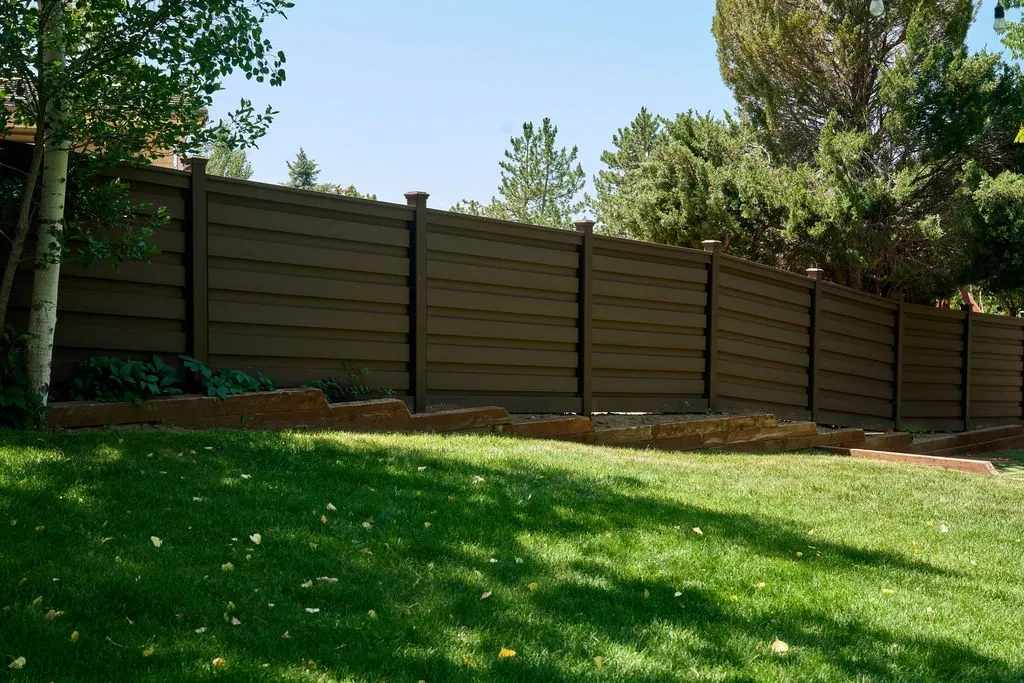
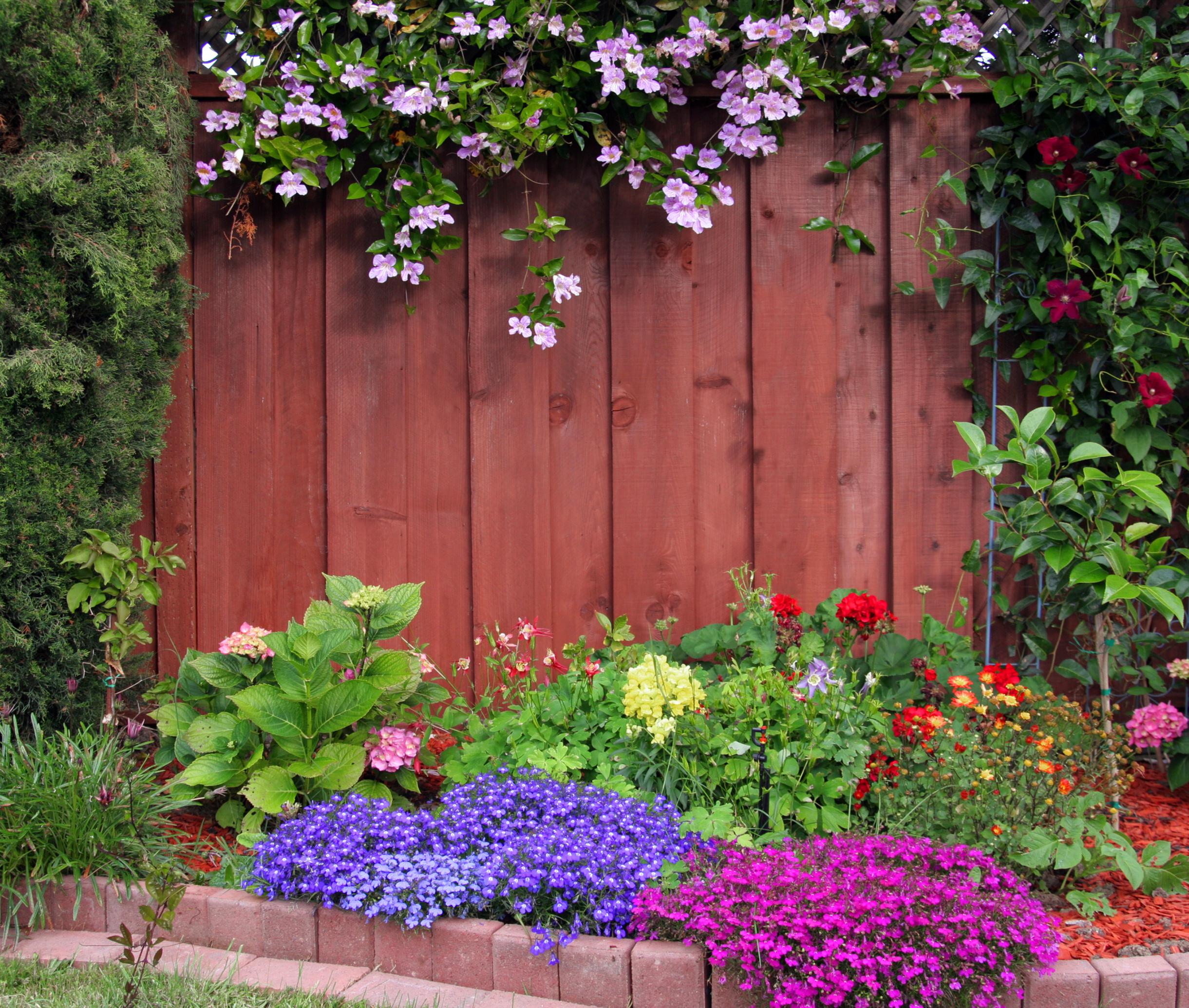
If you’re considering a fence installation in the Florida Panhandle, understanding local microclimates is crucial. From the humid coastal breezes in Gulf Breeze to the hotter, drier conditions inland, your choice of fence materials, design, and placement can make all the difference in longevity and performance. Proper planning ensures your fence adds curb appeal, security, and functionality, while avoiding costly repairs down the line.
Before you start, connecting with a trusted local fence company like Top Rail Fence Florida Panhandle can help you navigate these environmental considerations and choose the right options for your property.
Why Microclimates Matter for Fence Installation
The Florida Panhandle experiences varying weather conditions across short distances. Coastal areas often deal with salty air, high humidity, and strong winds, while inland properties may face intense sun and heat. Ignoring these factors during a residential fence installation can result in premature wear, warping, and material degradation.
For example, wood fences along the coast may require more frequent sealing, while vinyl or aluminum fences resist moisture damage and maintain their appearance longer. Choosing the right fence materials based on location is a key step to ensure your investment lasts for years.
Selecting the Right Fence Materials
Choosing the right fence materials is essential when planning your fence installation. Here are some options and considerations:
Vinyl Fences
Vinyl fences are ideal for humid coastal areas because they resist moisture, insects, and rotting. They also require minimal maintenance and are available in a variety of colors and designs, making them perfect for homeowners seeking a durable yet stylish fence.
Wood Fences
Wood can offer a classic look but requires regular treatment against moisture, pests, and UV damage. If you opt for wood in Gulf Breeze or other coastal locations, make sure it is pressure-treated or sealed regularly to prevent warping.
Aluminum Fences
Aluminum is lightweight, rust-resistant, and suitable for both coastal and inland climates. While it offers less privacy than solid panels, it is an excellent choice for decorative fences or pool enclosures.
Composite Fences
Composite fences combine wood fibers and recycled plastic, offering durability against heat, moisture, and insects. This material is perfect for homeowners seeking eco-friendly options without sacrificing longevity.
Placement Considerations for Optimal Performance
Correct placement is vital for a successful residential fence installation. Factors to consider include:
- Sun Exposure: Direct sunlight can fade some materials faster, so positioning your fence to minimize sun damage can extend its life.
- Wind Patterns: Coastal homes experience strong winds. Installing fences with lattice tops or wind gaps can reduce pressure on posts.
- Soil Type: Sandy soils near the Gulf Coast may require deeper posts or concrete footings to stabilize fences.
By analyzing your property’s microclimate, you can plan a privacy fence installation that withstands environmental stress while maintaining beauty and function. For detailed fence tips on placement, consult experts or online guides.
Maximizing Privacy and Security
A well-planned privacy fence installation not only shields your yard from prying eyes but also provides security for children and pets. Coastal winds, heavy rains, and inland heat can all affect stability, so selecting the right fence materials is essential. Vinyl, composite, or treated wood is typically best for high-exposure areas.
Your new fence installation can also include features like reinforced posts, secure gates, and durable latches. A professional fence installation team ensures everything is installed according to local codes and environmental requirements.
Maintaining Your Fence in the Florida Panhandle
Regular maintenance is key to preserving your fence investment. Consider the following:
- Inspect annually: Check for loose posts, warping, or insect damage.
- Clean surfaces: Vinyl and aluminum can be cleaned with mild detergent, while wood may require staining or sealing.
- Repair promptly: Addressing small issues quickly prevents bigger problems.
Following these steps ensures your residential fence installation continues to provide privacy, security, and aesthetic appeal for decades.
Trust Top Rail Fence Florida Panhandle for Expertise
At Top Rail Fence Florida Panhandle, we understand how Gulf Breeze moisture and inland heat impact fence performance. We offer personalized guidance on fence materials, privacy fence installation, and optimal placement to suit your property’s unique microclimate.
Whether you’re planning a new fence installation or upgrading an existing fence, our team ensures professional, long-lasting results. Contact us today to schedule a consultation and get a custom solution tailored to your home’s needs.
By considering microclimates, selecting appropriate fence materials, and relying on a trusted local fence company, Florida Panhandle homeowners can enjoy durable, beautiful, and functional fencing that stands up to the test of time. Proper planning, professional installation, and ongoing maintenance make all the difference in maximizing your investment.