Florida’s coastline offers stunning scenery and a relaxed lifestyle, but the same elements that make the Florida Panhandle beautiful can also be harsh on fencing materials. From intense humidity and salt-laden air to frequent storms, these coastal conditions create unique challenges for homeowners and businesses alike. Understanding how these factors affect your fence installation can help you make smarter decisions about design, materials, and maintenance.
The Unique Challenges of Coastal Fence Installation
Living near the Gulf of Mexico means your property’s fence is constantly exposed to moisture, salt spray, and strong winds. These elements can accelerate corrosion, warping, and fading. For homeowners, it’s not just about picking the best fencing options; it’s about choosing solutions that can stand the test of time in such demanding environments.
According to The Spruce, coastal homeowners should consider materials that resist moisture absorption and salt damage, as these two factors contribute most to early deterioration. That advice directly applies to residents of the Florida Panhandle, where salt particles carried by the sea breeze can quickly degrade unprotected metal and wood finishes.
How Moisture and Salt Affect Fence Longevity
One of the biggest threats to any fence in a coastal region is water. High humidity and salt exposure combine to create ideal conditions for corrosion and decay. For example:
Metal Fences
Even with protective coatings, metal fencing can begin to rust when exposed to constant salt spray. Choosing marine-grade finishes or powder-coated aluminum can extend longevity.
Wood Fences
Salt air dries out wood fibers, making them brittle over time. Frequent staining or sealing is essential for a longer-lasting fence.
Vinyl and Composite Fences
These materials handle moisture well but may discolor under UV exposure. Choosing high-quality UV-resistant vinyl ensures your fence maintains its appearance year-round.
For guidance on durable materials and proper sealing, you can explore fence installation resources directly from Top Rail Fence Florida Panhandle, where local experts understand the environmental challenges unique to this coastal region.
Wind Resistance and Structural Stability
Another major consideration in coastal fence installation is wind. The Florida Panhandle regularly experiences tropical storms and hurricanes, which can topple poorly anchored structures. Fence posts should be installed deeper than standard, with reinforced concrete footings to provide extra stability.
If your goal is long-term resilience, investing in wind-rated fencing systems can help safeguard your property. At Top Rail Fence Florida Panhandle, professionals often recommend reinforced vinyl or steel options that balance strength with flexibility, essential for surviving heavy gusts without permanent damage.
Choosing the Best Fencing Options for Coastal Living
When evaluating the best fencing options for your property, focus on durability, maintenance needs, and design appeal.
Aluminum Fencing
Ideal for coastal climates due to its rust resistance and modern appearance. Powder-coated finishes help prevent corrosion from salty air.
Vinyl Fencing
A popular choice for residential areas since it won’t rot, chip, or warp. It’s especially suited for homeowners who prefer low maintenance.
Composite Fencing
Offers the warm aesthetic of wood with enhanced resistance to moisture and pests, making it a reliable long-term investment.
Concrete and Masonry Fencing
Excellent for high-wind regions but may require professional engineering to ensure compliance with local building codes.
Learn more about reliable fence installation options and style guides through the Top Rail Fence fence installation page for practical insights.
The Importance of Regular Maintenance
Regardless of the material you choose, regular maintenance plays a crucial role in ensuring the longevity of your fence. Periodic washing removes salt deposits that can accumulate on the surface, while visual inspections help detect early signs of damage. For wood fences, resealing is recommended every 12 to 18 months to prevent cracking and warping.
Residents who want to protect their investment should also inspect post foundations after storms to ensure stability hasn’t been compromised. For additional expert support or a free consultation, reach out through the Top Rail Fence contact page to connect with your local fencing professionals.
Commercial and Residential Fence Styles That Thrive by the Coast
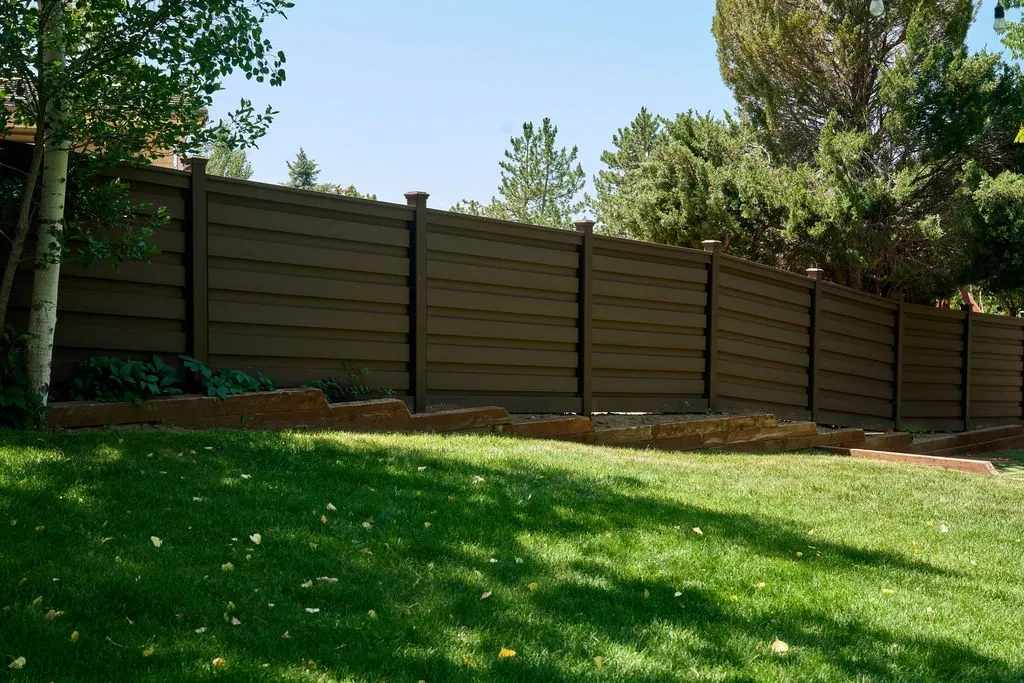
Coastal architecture thrives on open layouts and breezy designs, which can influence your choice of fencing. For residential fence styles, horizontal slat fences, lattice designs, and coastal-inspired white vinyl fences remain timeless favorites. Meanwhile, commercial fencing often emphasizes strength and security without sacrificing curb appeal, such as aluminum panels or decorative steel fencing around business premises.
Blending function and aesthetics is key. By aligning your fence design with your property’s architecture and the surrounding landscape, you not only enhance durability but also elevate your home’s value.
Final Thoughts
Building or upgrading a fence near the coast requires careful planning and an understanding of environmental stressors. The right fence installation ensures your structure resists corrosion, handles high winds, and complements your home’s aesthetic.
For homeowners and businesses across the Florida Panhandle, the team at Top Rail Fence Florida Panhandle is ready to help you navigate every stage of the process, from material selection to post-installation care, ensuring your fence lasts beautifully for years.