Living in the Florida Panhandle means designing homes and outdoor spaces with nature in mind. Wind patterns coming off the Gulf, sandy soils, and sudden storm shifts all influence how fence installation should be approached. Property owners who understand how wind interacts with terrain, layout, and fencing materials tend to avoid costly repairs and premature replacements.
For property owners exploring fence installation options, working with a local expert like Top Rail Fence Florida Panhandle helps ensure every fence line is planned for real environmental conditions, not generic assumptions.
Understanding Wind Behavior Across Panhandle Properties
Wind in the Florida Panhandle is rarely uniform. Coastal neighborhoods experience sustained gusts, while inland properties often deal with sudden directional shifts caused by open land and tree lines. These differences directly affect residential fencing and commercial fencing layouts.
Wind pressure builds against long, uninterrupted fence runs. When fences are placed without breaks or relief zones, the force transfers directly to posts. Over time, this leads to leaning, loosened footings, or complete failure. Strategic placement accounts for airflow, allowing wind to pass through or around the structure rather than pushing against it.
How Property Layout Influences Fence Stability
The shape and orientation of a property matter just as much as the fencing material itself. Corner lots, wide backyards, and properties facing open fields often experience higher wind exposure. In these cases, fence post installation becomes the backbone of durability.
Posts need to be set deeper and spaced correctly to distribute pressure evenly. Placing fences parallel to prevailing wind directions rather than directly facing them reduces stress. This approach is commonly applied in commercial fencing, where large perimeter runs are more vulnerable to wind loads.
Midway through many installations, homeowners discover that adjusting placement by even a few feet can significantly improve performance. This is why experienced crews often recommend layout adjustments during planning rather than after installation.
If you are considering options beyond standard layouts, exploring Florida Panhandle fencing solutions can help clarify which placements work best for your specific location and exposure.
Choosing Fence Styles That Work With Wind
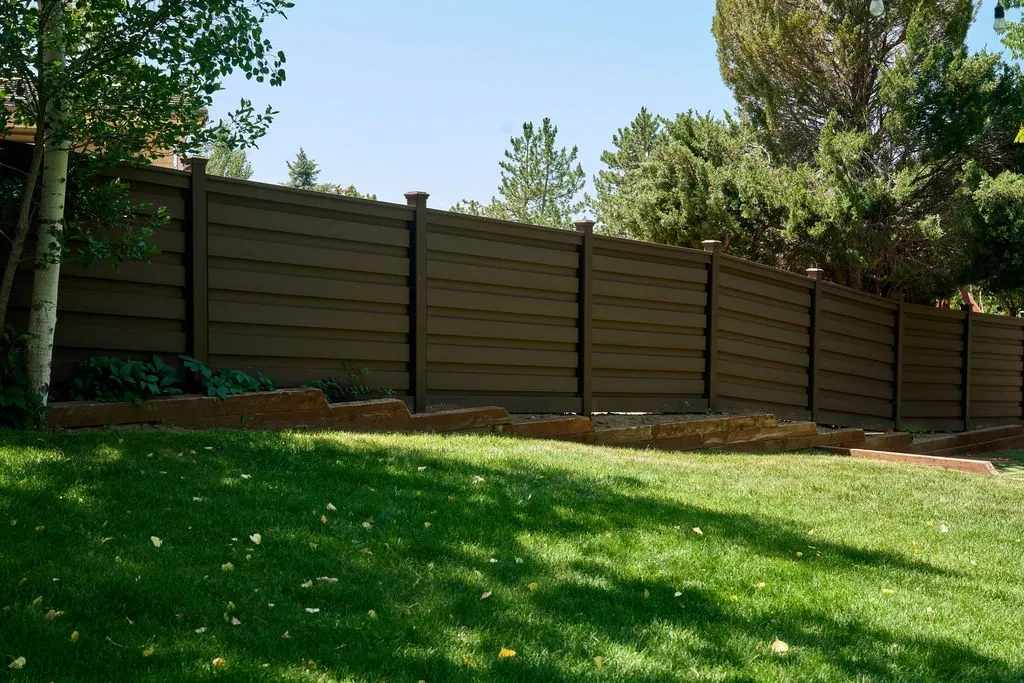
Fence placement and fence style go hand in hand. Solid panels trap wind, while semi open designs allow airflow. In the Florida Panhandle, successful fence installation often balances privacy needs with wind resistance.
Shadowbox wood fencing, spaced pickets, and reinforced metal fencing perform well in high wind zones. For residential fencing, this means fewer repairs and longer lifespan. For commercial fencing, it translates into lower maintenance costs and improved safety around properties.
Material weight also plays a role. Lightweight materials may flex under pressure, while heavier materials rely more on proper fence post installation to remain stable. The best results come from matching style, placement, and structural support rather than relying on one factor alone.
Soil Conditions and Their Role in Fence Placement
Sandy and mixed soils are common throughout the Florida Panhandle, and they respond differently to moisture and wind than clay heavy soils. Fence placement must consider drainage patterns and soil compaction.
Posts installed in poorly drained areas can loosen as soil shifts after heavy rain. This is why professional fence installation includes soil assessment before placement decisions are finalized. Slight adjustments in placement can move posts into more stable ground without affecting property boundaries or aesthetics.
According to guidance from the University of Florida IFAS Extension, proper footing depth and soil preparation are critical for outdoor structures exposed to wind and moisture, making placement decisions just as important as materials used.
Planning for Long Term Performance
Fence placement is not just about today’s weather. Long term performance depends on anticipating seasonal changes, storm frequency, and property use. Commercial fencing around open facilities requires different placement strategies than residential fencing in sheltered neighborhoods.
Wind corridors created by driveways, alleyways, or adjacent buildings can amplify pressure on fencing. Planning placement to avoid these corridors helps extend fence life. This level of foresight is where Top Rail Fence Florida Panhandle brings real value, combining local knowledge with proven installation methods.
Property owners who invest time in placement planning often save significantly on future repairs and replacements.
When to Rethink Existing Fence Placement
Not every fence failure is due to poor materials. Many issues stem from placement decisions that no longer match current conditions. Tree removal, nearby construction, or landscape changes can alter wind flow across a property.
Reevaluating fence installation after these changes helps prevent recurring damage. Adjusting sections, reinforcing posts, or modifying layout can restore stability without requiring a full replacement. This applies to both residential fencing and commercial fencing, especially in high exposure zones.
Why Local Expertise Matters
National fencing standards provide a baseline, but they do not account for regional wind behavior. The Florida Panhandle presents unique challenges that demand localized solutions. Top Rail Fence Florida Panhandle understands how coastal winds, inland gusts, and soil conditions interact with real properties, not textbook examples.
This local insight allows fences to be placed where they perform best, not just where they look good on a plan.
If you are planning a new fence or reconsidering an existing layout, connecting with Top Rail Fence Florida Panhandle ensures your project is designed for the environment you actually live in. Start your project today by reaching out through the Contact Us page and get expert guidance tailored to your property.