In the Florida Panhandle, vinyl fencing is a popular choice for homeowners who want long-lasting curb appeal with minimal maintenance. However, not all vinyl fences age the same way. Suburban neighborhoods often see different wear patterns compared to rural properties, even when the same materials are used. Understanding how environment, layout, and usage affect vinyl fence installation helps homeowners make smarter decisions that extend the life of their investment. For property owners exploring local options, this is where regional expertise and proper planning truly matter, especially when working with professionals serving the Florida Panhandle fencing market.
Environmental Differences Between Suburban and Rural Areas
Heat Retention and Reflected Sunlight
Suburban developments typically have more paved surfaces, homes built closer together, and reflective materials like windows, siding, and driveways. These elements trap and reflect heat, increasing surface temperatures around fencing. Over time, this can accelerate fading or surface dulling after vinyl fence installation, especially on lighter-colored panels.
Rural properties, by contrast, often benefit from open airflow and natural shade from trees. This allows vinyl to cool more evenly, reducing long-term stress on the material.
Moisture Patterns and Drainage
In suburban yards, irrigation systems and compacted soil can cause water to pool around fence posts. Excess moisture around posts may not damage vinyl itself, but it can affect stability and alignment. Rural properties often have better natural drainage, which supports more consistent performance after vinyl fence installation.
How Suburban Use Impacts Vinyl Fence Longevity
Higher Daily Contact
Suburban fences see more interaction. Children, pets, lawn equipment, and frequent foot traffic all contribute to surface wear. A vinyl privacy fence in a busy neighborhood may show scuffs or minor stress sooner than the same fence installed on a quiet rural lot.
HOA Standards and Fence Placement
Many suburban communities have HOA rules that dictate fence height, spacing, and placement. These guidelines sometimes limit airflow or require designs that trap heat. Choosing the right vinyl fence styles within these constraints plays a major role in how well the fence ages over time.
Material Performance Across Different Vinyl Fence Styles
Privacy Panels in Suburban Settings
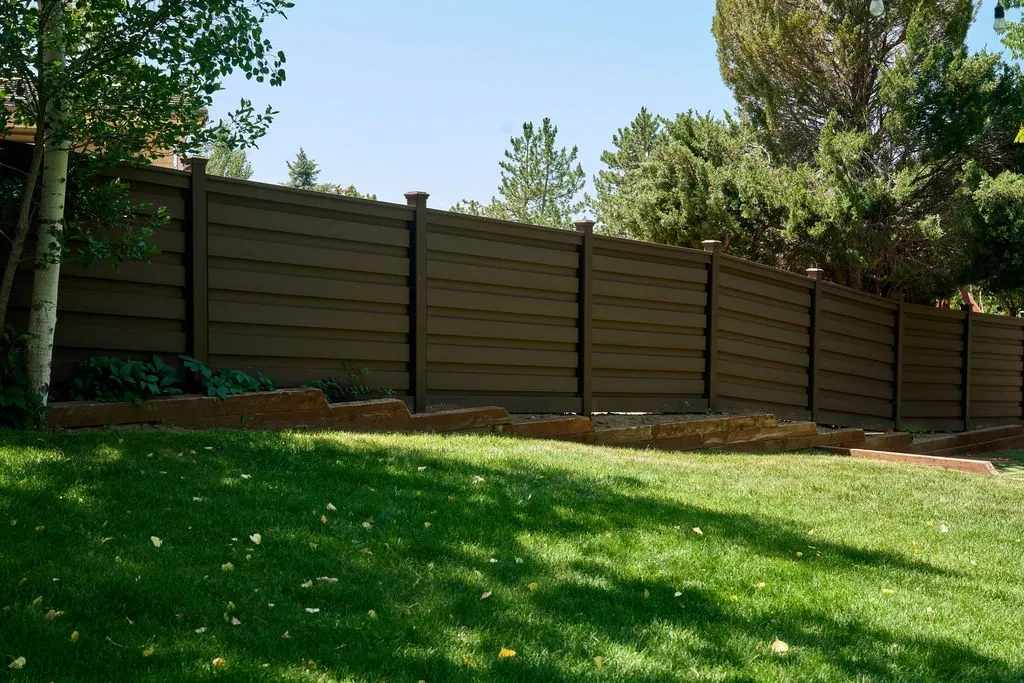
A vinyl privacy fence offers seclusion, but solid panels catch more heat and restrict airflow. In suburban environments, this can cause uneven expansion and contraction, especially on long fence runs exposed to full sun.
Picket Fences and Airflow
A vinyl picket fence allows air to move freely through the structure. This design reduces heat buildup and distributes environmental stress more evenly, often aging more consistently in suburban neighborhoods.
Choosing Styles Based on Location
Matching vinyl fence styles to the specific conditions of the property matters. What works well on a rural acreage may need adjustment for a suburban lot with tighter spacing and higher heat exposure.
Installation Factors That Influence Aging
Proper Spacing and Alignment
Professional vinyl fence installation accounts for expansion and contraction caused by temperature changes. In suburban areas where heat buildup is higher, correct spacing is essential to prevent warping or panel stress.
Soil Preparation and Post Setting
Even in vinyl systems, post stability is key. Proper soil preparation helps maintain alignment over time, especially in neighborhoods with compacted ground or frequent watering.
This is where experienced installers like Top Rail Fence Florida Panhandle apply region-specific knowledge to ensure fences perform well in suburban conditions without sacrificing appearance.
Maintenance Differences Between Suburban and Rural Fences
Cleaning Frequency
Suburban fences often require more frequent cleaning due to pollution, lawn chemicals, and close-proximity landscaping. Gentle cleaning helps maintain the appearance of vinyl and slows visible aging.
Inspection and Adjustments
Regular inspections help catch early signs of stress. Addressing small alignment issues early protects the overall structure and extends the life of any vinyl fence installation.
Homeowners looking for guidance or service support can always reach out through the Contact Us page for professional assistance.
Industry Insight on Vinyl Durability
Research from the Vinyl Institute explains how UV exposure and heat cycling affect long-term vinyl performance, especially in warm coastal climates through material stability and weather resistance. These factors help explain why suburban environments often accelerate visible aging compared to rural settings.
Planning a Vinyl Fence for Suburban Success
Tailoring Design to the Environment
Homeowners should select vinyl fence styles that balance privacy, airflow, and heat exposure. Combining thoughtful design with professional vinyl fence installation reduces long-term maintenance concerns.
Working With Local Experts
Regional experience makes a difference. Top Rail Fence Florida Panhandle understands how suburban layouts, climate patterns, and community guidelines influence fence performance, allowing for smarter installation strategies.
Final Thoughts on Suburban Vinyl Fence Aging
Vinyl fencing remains one of the most durable and attractive options available, but environment matters. Suburban properties in the Florida Panhandle create unique conditions that influence how fences age compared to rural installs. With the right vinyl fence installation, properly selected vinyl privacy fence or vinyl picket fence designs, and professional support from Top Rail Fence Florida Panhandle, homeowners can enjoy consistent performance and lasting curb appeal for years to come.