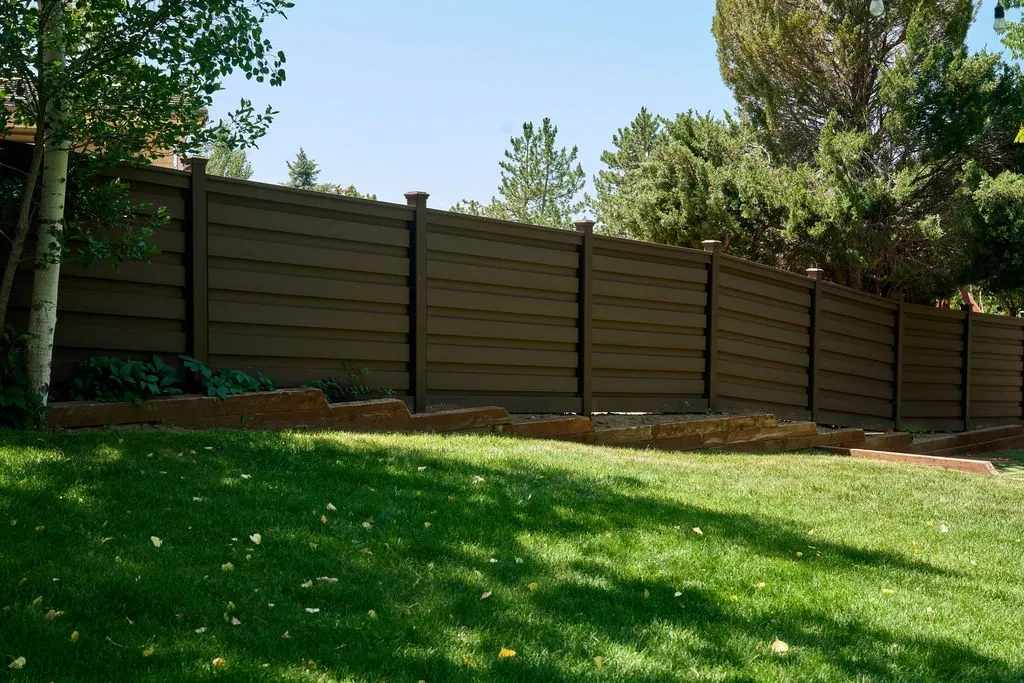
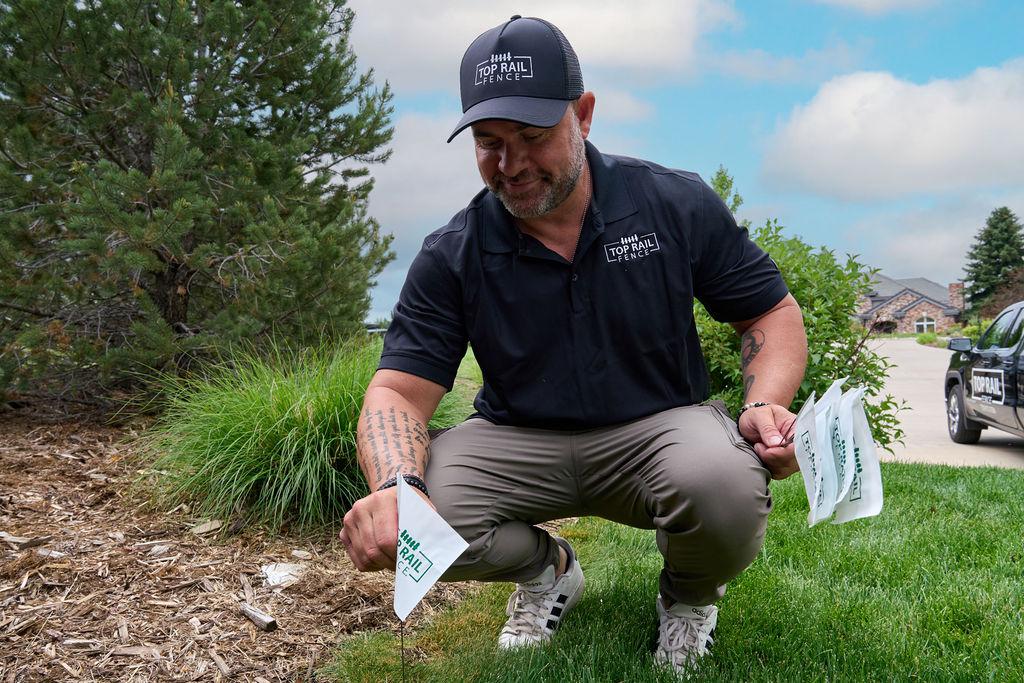
After hurricane season, many homeowners in the Florida Panhandle start asking about the resilience of vinyl fencing. Coastal winds, heavy rain, and storm surges test the strength of fences more than typical weather conditions. Property owners who invest in vinyl fence installation often want to know if their fence will stand strong and maintain its appearance for years to come. Understanding how environmental stress affects fence performance helps homeowners make informed decisions about fence installation and material selection, and seeking guidance through Top Rail Fence Florida Panhandle ensures professional insight tailored to the region.
Not all fences respond the same way to hurricane conditions. The choice of material, fence style, and installation practices all play a role in how well a fence weathers severe storms.
How Hurricane Conditions Challenge Vinyl Fencing
Wind and Structural Integrity
Strong hurricane-force winds put significant pressure on fence panels. Vinyl fencing is lightweight compared to wood or metal, but it can flex under pressure. Proper vinyl fence installation ensures that posts are anchored securely and panels are fastened according to manufacturer specifications. This foundation reduces the likelihood of panels detaching during storms.
Posts installed without concrete or reinforcement may tilt or loosen, even if the fence boards themselves remain intact. For families considering the most durable fencing options, post stability is as important as panel quality.
Rain, Flooding, and Drainage Considerations
Hurricane season often brings sudden flooding. While vinyl fencing is water-resistant, standing water around posts can affect alignment if the soil shifts. Experienced installers account for natural drainage patterns to prevent long-term issues and maintain structural integrity after heavy rains.
Salt Air Exposure
For homes near the Gulf Coast, salt-laden air accelerates wear on metal fasteners used in some vinyl fence installation projects. Choosing corrosion-resistant hardware and regularly inspecting vinyl fencing ensures panels remain securely fastened.
h2: Choosing the Right Vinyl Fence Styles
Privacy Panels Versus Picket Designs
Privacy panels offer seclusion but present more surface area for wind and water to impact. In contrast, vinyl picket fences allow air to flow freely, reducing strain during storms. Selecting vinyl fence styles suited to your property location maximizes both protection and longevity.
Matching Material to Regional Needs
Investing in the most durable fencing means choosing high-quality PVC panels with reinforced rails. Panels with thicker walls resist warping or cracking, while UV-resistant finishes prevent fading in the harsh coastal sun.
When evaluating options, homeowners should compare styles alongside regional climate considerations, including hurricane exposure, salt air, and seasonal rainfall. Guidance from Top Rail Fence Florida Panhandle, helps select vinyl fencing designed to perform under these conditions.
Installation Practices That Impact Fence Longevity
Proper Post Depth and Reinforcement
Post depth is critical in hurricane-prone areas. Vinyl fence installation with adequately deep posts and concrete footings improves stability, even in sandy coastal soils.
Spacing and Panel Flexibility
Allowing for thermal expansion and contraction during installation prevents warping or stress cracks. Properly spaced panels contribute to the fence functioning as a unified system, rather than individual boards susceptible to damage.
Hardware and Fastener Selection
Choosing galvanized or stainless steel fasteners ensures corrosion resistance, particularly important in coastal environments. These small details are key to long-term durability and define the difference between a standard and the most durable fencing project.
Maintenance Strategies for Hurricane Resilience
Regular inspections after hurricane season can identify minor issues before they become costly repairs. Cleaning panels removes salt deposits and debris, helping vinyl fencing maintain its appearance and structural integrity.
Proactive Repairs
Replacing damaged or misaligned panels promptly prevents stress from transferring to surrounding boards. Homeowners can refer to resources from the Vinyl Fence Institute for best practices on vinyl fence installation and maintenance, helping prolong the life of their fence.
Why Local Expertise Matters
Regional knowledge is crucial when planning vinyl fence installation in the Florida Panhandle. Professionals like Top Rail Fence Florida Panhandle understand local wind patterns, hurricane intensity, and soil conditions. Their expertise ensures a fence is designed for both aesthetic appeal and long-term resilience.
Homeowners often regret skipping professional guidance when hurricane damage reveals weaknesses in their fencing system. Investing in expert advice ensures fence installation aligns with both local codes and environmental realities.
Building a Fence That Lasts
Selecting vinyl fencing as your preferred option combines beauty, low maintenance, and storm resistance. Choosing reinforced panels, corrosion-resistant hardware, and professionally executed vinyl fence installation ensures a fence that withstands hurricane season while enhancing curb appeal.
If you are planning a new project or evaluating an existing fence after storms, professional guidance is invaluable. Top Rail Fence Florida Panhandle assists with selecting the most durable fencing, implementing expert installation, and maintaining your property’s value and safety. Visit the Contact Us page to schedule a consultation and ensure your vinyl fencing is ready to endure the challenges of hurricane season.