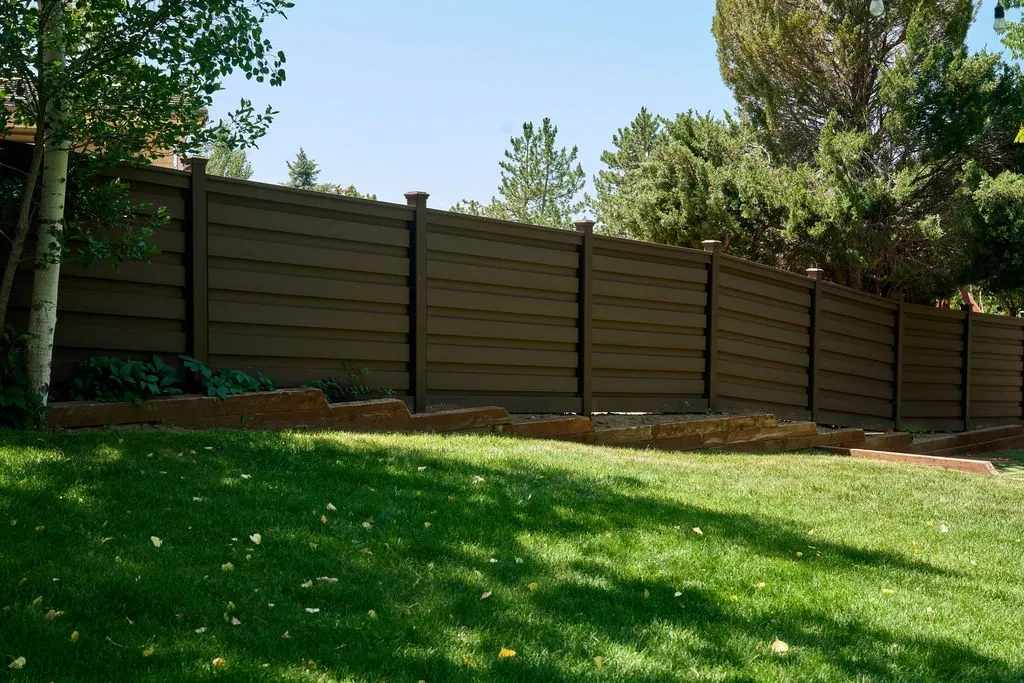
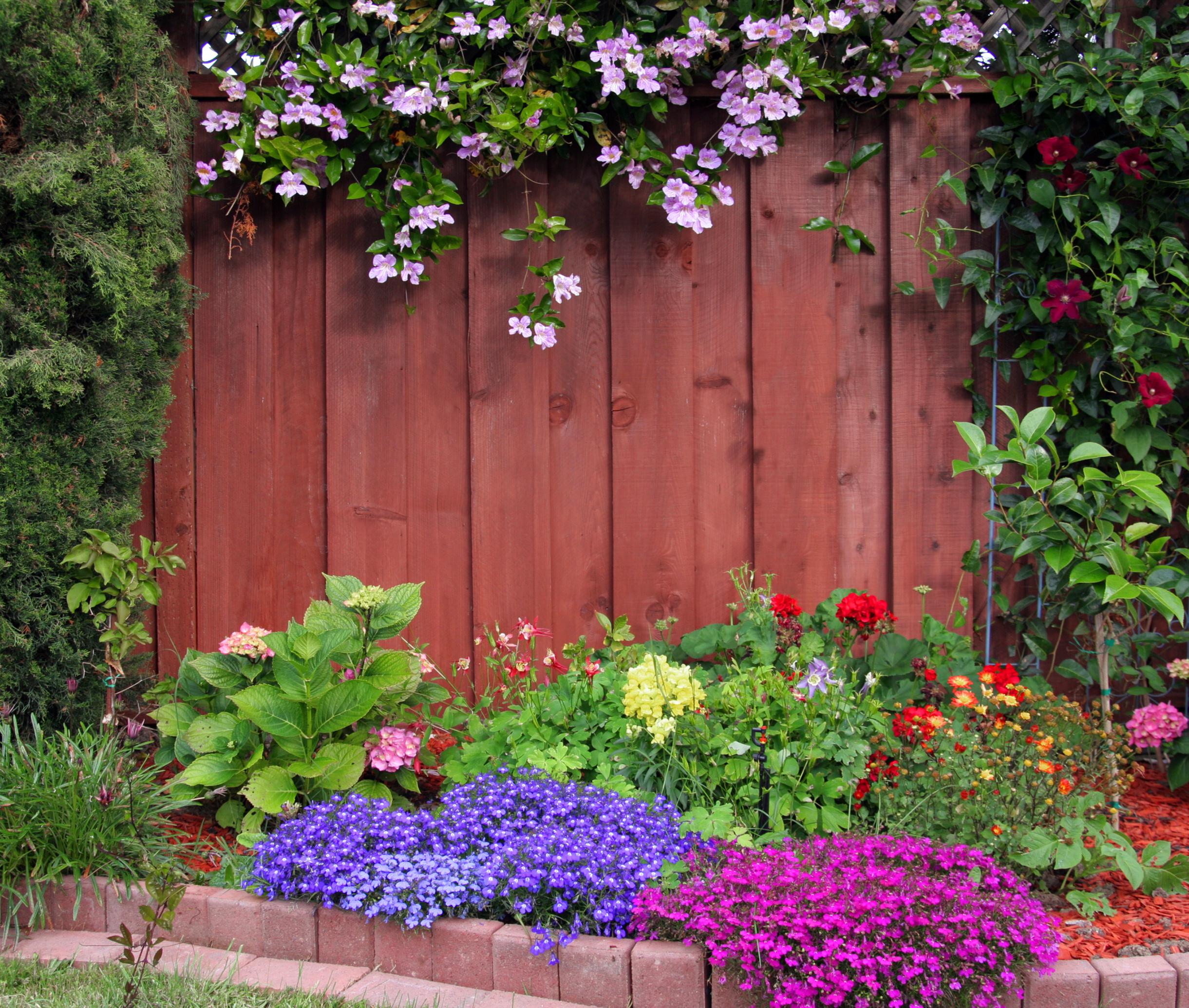
Living along the Florida Panhandle coastline means enjoying ocean views and humid breezes, but that same coastal moisture is one of the biggest reasons homeowners eventually need wood fence repair. Constant exposure to humidity, salt air, and frequent rain causes wood to age unevenly, even when fences are built with quality materials. Understanding how moisture interacts with wood fencing helps homeowners spot early warning signs and make smarter maintenance decisions before damage spreads.
How Coastal Moisture Interacts With Wood
Humidity and Absorption Cycles
Wood is a porous material that naturally absorbs and releases moisture. In coastal climates, this cycle happens more frequently. High humidity causes boards to swell, while brief dry periods force them to contract. Over time, this repeated movement leads to warping, cracking, and joint separation, all of which increase the need for wood fence repair.
Salt Air Exposure
Salt particles carried by ocean air accelerate surface deterioration. Salt attracts moisture and keeps boards damp longer than inland fences. This uneven exposure explains why one side of a fence may appear weathered while the other looks relatively intact, a common issue across different wood fences in the Florida Panhandle.
Why Some Fence Sections Age Faster Than Others
Sun and Shade Imbalance
Fence sections that receive direct sunlight dry faster after rain, while shaded areas stay damp longer. This imbalance causes uneven discoloration and decay, particularly in wood privacy fence designs where airflow is limited. These moisture pockets often become the first areas requiring wood fence repair.
Ground-Level Moisture Buildup
Boards closer to the ground absorb moisture from soil splash and standing water. Without proper clearance or protection, lower pickets deteriorate faster than upper sections, a frequent issue seen in aging wood fencing throughout coastal neighborhoods.
Moisture-Related Damage You Should Not Ignore
Warping and Cupping
Boards that curve inward or outward signal prolonged moisture exposure. Warping weakens structural integrity and can cause gaps or misalignment that worsen over time without timely wood fence repair.
Surface Mold and Mildew
Dark streaks or greenish growth on boards indicate trapped moisture. While mold may start as a cosmetic issue, it often leads to deeper wood decay if untreated, especially in older wood privacy fence installations.
Fastener Corrosion
Moist environments accelerate rust on nails and screws. Corroded fasteners loosen boards and rails, increasing movement and creating stress points across different wood fences.
Fence Design Choices That Influence Moisture Damage
Board Spacing and Airflow
Fences with minimal spacing restrict airflow, trapping moisture between boards. Designs that allow slight gaps improve drying time and reduce long-term damage, lowering the frequency of wood fence repair.
Wood Type Selection
Certain wood species perform better in humid climates. Pressure-treated pine resists rot better than untreated lumber, while cedar naturally repels insects and moisture. Choosing the right material makes a noticeable difference in how wood fencing ages along the coast.
Protective Finishes
Sealants and stains slow moisture absorption and shield boards from salt exposure. Regular reapplication helps extend the lifespan of wood privacy fence systems and keeps the aging more uniform.
Preventive Maintenance That Reduces Repairs
Scheduled Inspections
Annual inspections help identify early signs of moisture damage. Catching small issues early often means minor wood fence repair instead of full panel replacement.
Cleaning and Drainage Improvements
Removing dirt, algae, and debris allows wood to dry properly. Improving drainage around posts reduces prolonged ground contact, one of the leading causes of decay in coastal wood fencing.
Strategic Board Replacement
Replacing damaged boards individually helps maintain fence integrity while preserving surrounding sections. This approach is especially effective for homeowners managing multiple styles across different wood fences on the same property.
When Professional Help Makes the Difference
Homeowners often underestimate how quickly moisture damage spreads. Local experts understand how coastal conditions affect fences differently from inland environments. Top Rail Fence Florida Panhandle specializes in evaluating moisture-related wear and recommending targeted wood fence repair solutions that match the specific challenges of the region.
If you want to understand how moisture affects fence longevity, the Wood Fencing Resource Center offers additional insights tailored to coastal climates.
Expert Guidance on Moisture and Wood Durability
Research from the Forest Products Laboratory explains how moisture content impacts wood performance and aging in this detailed guide. Applying these principles helps homeowners make informed decisions about maintenance and repairs.
Why Local Expertise Matters
Climate-Specific Repair Strategies
National repair guidelines often overlook coastal variables. Top Rail Fence Florida Panhandle applies region-specific techniques that account for salt exposure, humidity, and storm-driven rain patterns.
Long-Term Fence Health
From minor fixes to comprehensive wood fence repair, working with professionals ensures repairs address root causes rather than symptoms. This approach extends the lifespan of both decorative and wood privacy fence installations.
Easy Next Steps
If your fence shows signs of uneven aging, reach out through the Contact Us page to schedule an evaluation. Top Rail Fence Florida Panhandle can help restore stability and appearance while preventing future moisture damage.
Closing Thoughts
Coastal moisture is unavoidable in the Florida Panhandle, but uneven fence aging does not have to be. By understanding how humidity, salt air, and design choices affect wood fencing, homeowners can take proactive steps that reduce ongoing wood fence repair needs. With proper maintenance, smart material choices, and support from Top Rail Fence Florida Panhandle, fences can remain strong, functional, and visually consistent for years to come.