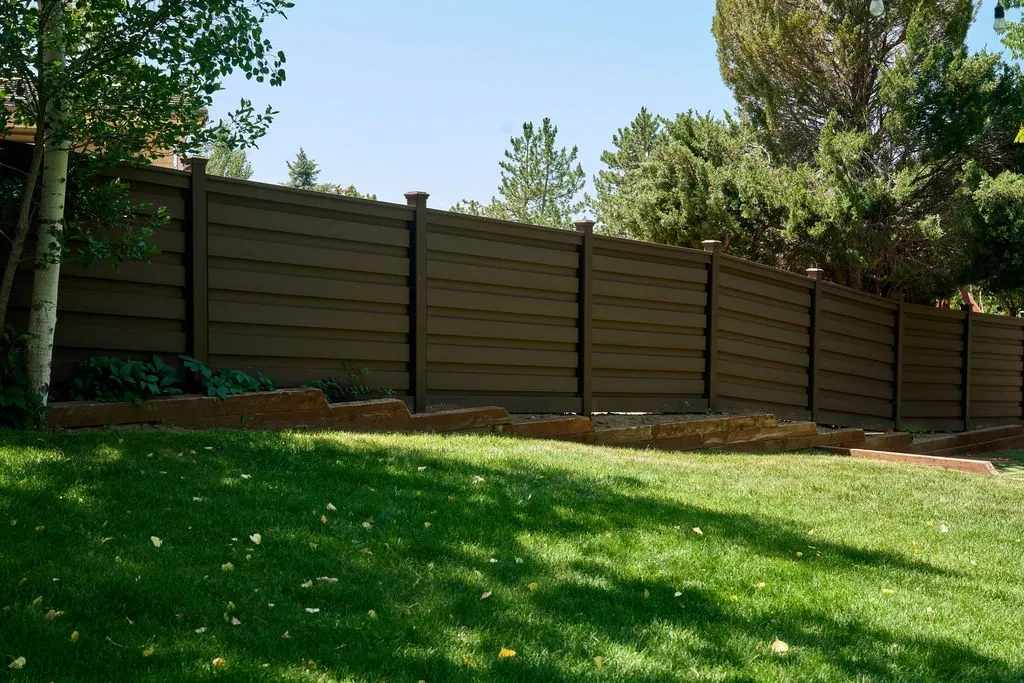
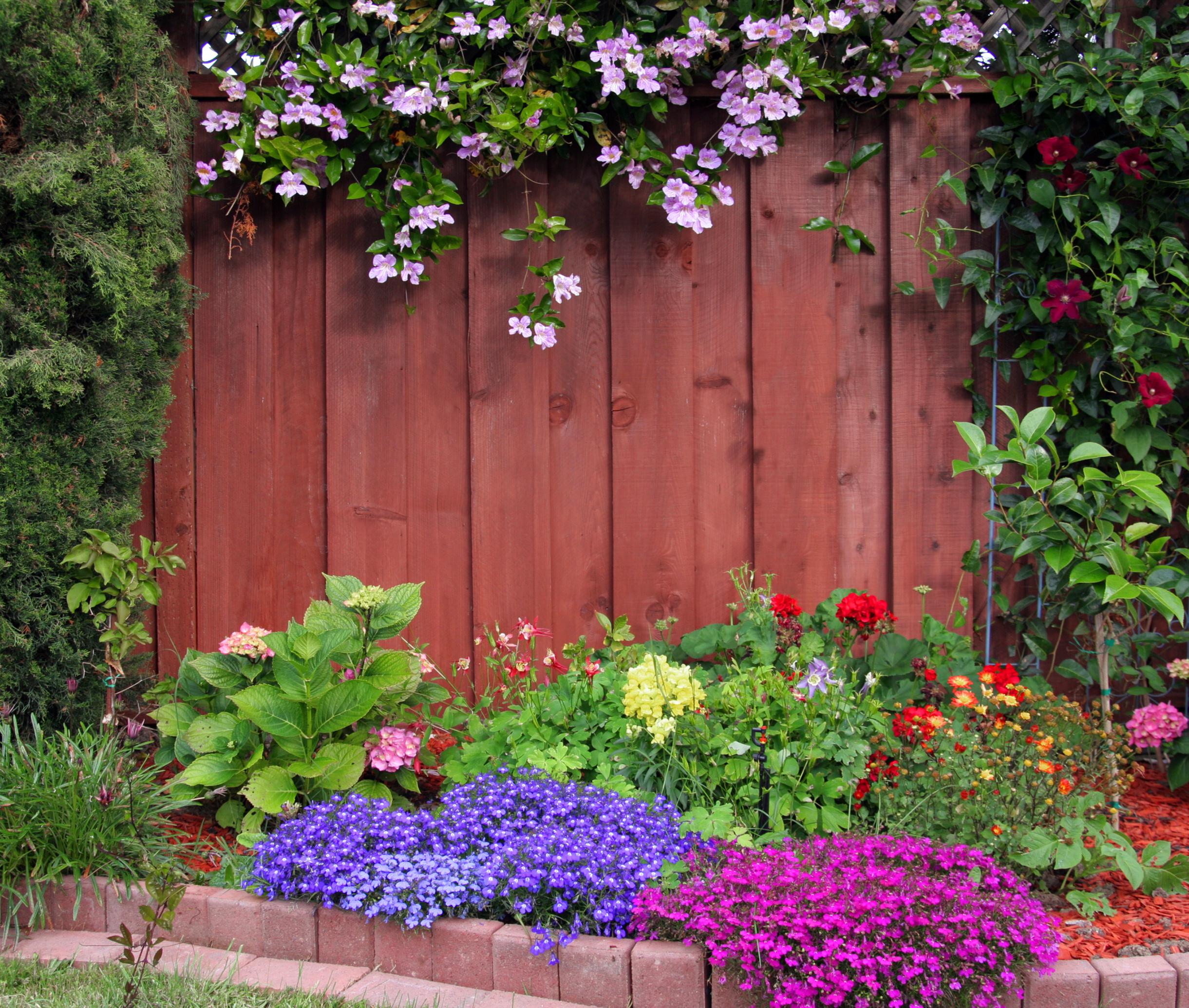
A wood fence offers privacy, security, and aesthetic appeal for homes across the Florida Panhandle, but the region’s seasonal hurricanes expose weaknesses that many homeowners don’t anticipate. When a storm hits, sections of residential fencing that appear sturdy may warp, shift, or even fail. Understanding how these high-wind events interact with fence construction and material choices is key to building durable wood fencing that withstands the elements.
Why Hurricanes Affect Fences Differently
Wind Pressure on Vertical Surfaces
High winds put intense lateral pressure on wood fencing, especially on taller or solid fence styles. Sections that lack proper bracing or have misaligned posts are more susceptible to bending or breaking. Even well-constructed fences may experience accelerated wear if wind consistently hits the same side of the property.
Rain and Moisture Exposure
Hurricanes bring heavy rainfall, which saturates the ground around fence posts. Saturated soil weakens the anchoring of posts, particularly in older wood fence installation projects where drainage was not optimized. Standing water can also seep into boards, causing swelling, cracking, and accelerated decay.
Common Weak Points in Wood Fencing
Posts: The Foundation Under Stress
Posts are the backbone of a fence. In the Florida Panhandle, shifting sandy soils and stormwater runoff can loosen posts if they weren’t installed deeply enough or without concrete reinforcement. Proper post installation is critical to withstand hurricane-force winds.
Rails and Connection Points
Rails connect posts and provide structural integrity for all fence styles. Nails, screws, or brackets that are corroded or improperly spaced may fail during storms, causing pickets or panels to detach. Reinforcing rails during a wood fence installation increases overall stability.
Pickets and Panel Strength
Pickets in older wood fencing can split or warp under hurricane stress. Wider gaps or lighter boards may allow wind to penetrate but reduce total wind load. Solid panels create more resistance but require stronger posts and rails.
Hurricane-Resistant Fence Design Strategies
Choosing Strong Materials
Selecting durable wood species, such as cedar or pressure-treated pine, helps ensure your residential fencing lasts through hurricane seasons. These materials resist rot and insect damage better than untreated wood, which is essential for the humid Florida Panhandle climate.
Reinforcing Installation
Posts should be set in concrete and buried to a depth appropriate for your soil type. For maximum stability, professionals like Top Rail Fence Florida Panhandle use thicker rails and corrosion-resistant fasteners during wood fence installation.
Allowing Wind Flow
Some fence styles allow wind to pass through slats or pickets, reducing pressure on the structure. Lattice-topped or semi-privacy panels can offer privacy while preventing full wind blockage.
Maintenance Tips to Reduce Hurricane Damage
Inspect and Repair Regularly
Routine inspections catch loose posts, damaged pickets, or failing rails before storms arrive. Small repairs on your wood fencing can prevent major issues during hurricanes.
Seal and Protect Wood
Applying water-resistant sealants or stains to residential fencing extends its life and helps repel moisture during storms. This proactive step reduces swelling and cracking during extreme weather.
Landscape Considerations
Keeping shrubs and trees trimmed away from wood fencing reduces the risk of branches causing damage in high winds. It also improves airflow around posts, helping maintain soil stability.
Lessons From Past Hurricanes
Historical storm data show that improperly installed or aging wood fences often fail first during hurricanes. Experts recommend combining quality materials with careful wood fence installation practices to prevent premature failure. For homeowners looking for guidance, consulting with local professionals ensures the fence design suits both your property and the regional climate.
Homeowners interested in strengthening their residential fencing in the Florida Panhandle can explore more tips on the wood fencing blog page.
Professional Insight and Resources
The American Wood Council provides guidance on wind-resistant wood fence installation techniques. Following these recommendations can help reduce damage during storms while maximizing the lifespan of your fence.
Why Work With Local Experts
Regional Knowledge Matters
Local contractors understand how Florida Panhandle hurricanes interact with specific soil types and property layouts. They know which fence styles and materials perform best under extreme weather.
Customized Installation Solutions
Top Rail Fence Florida Panhandle offers tailored wood fence installation services that account for hurricane exposure, soil conditions, and lot-specific challenges. With their expertise, homeowners can avoid common weak points that make fences vulnerable during storms.
Ongoing Support
From planning to maintenance, Top Rail Fence Florida Panhandle ensures homeowners have long-lasting residential fencing solutions. For personalized advice, visit the Contact Us page.
Final Thoughts
Hurricanes in the Florida Panhandle reveal the weak points in wood fencing, but understanding these risks and investing in proper wood fence installation can dramatically improve durability. Choosing strong materials, reinforcing posts and rails, selecting the right fence styles, and maintaining your fence proactively all contribute to long-lasting performance. Homeowners who work with trusted professionals like Top Rail Fence Florida Panhandle are better prepared to protect their property from future storms.