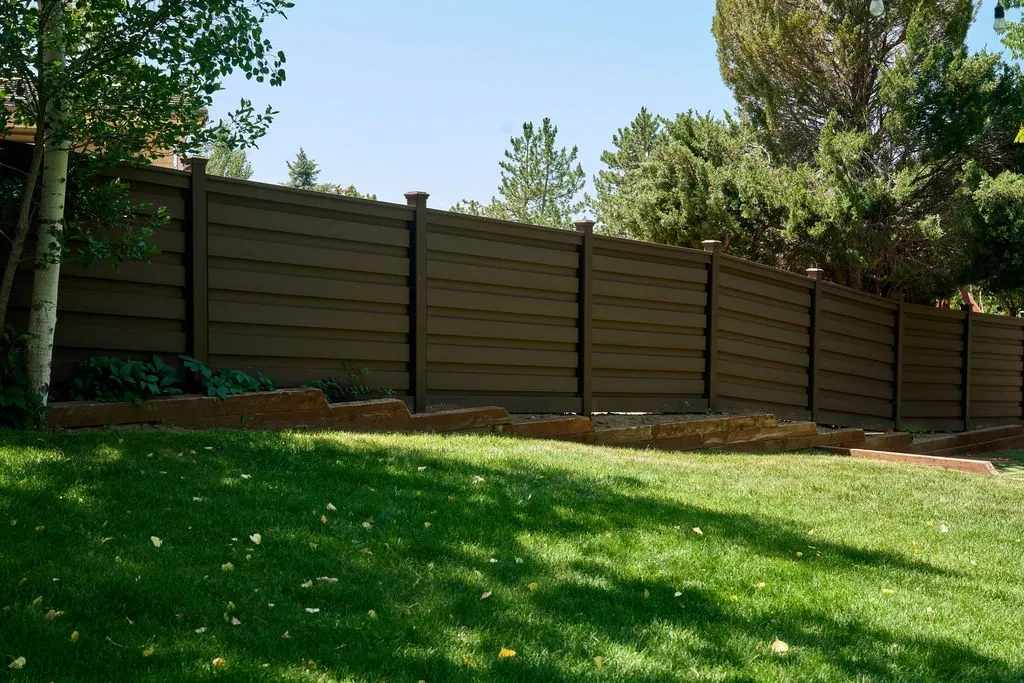
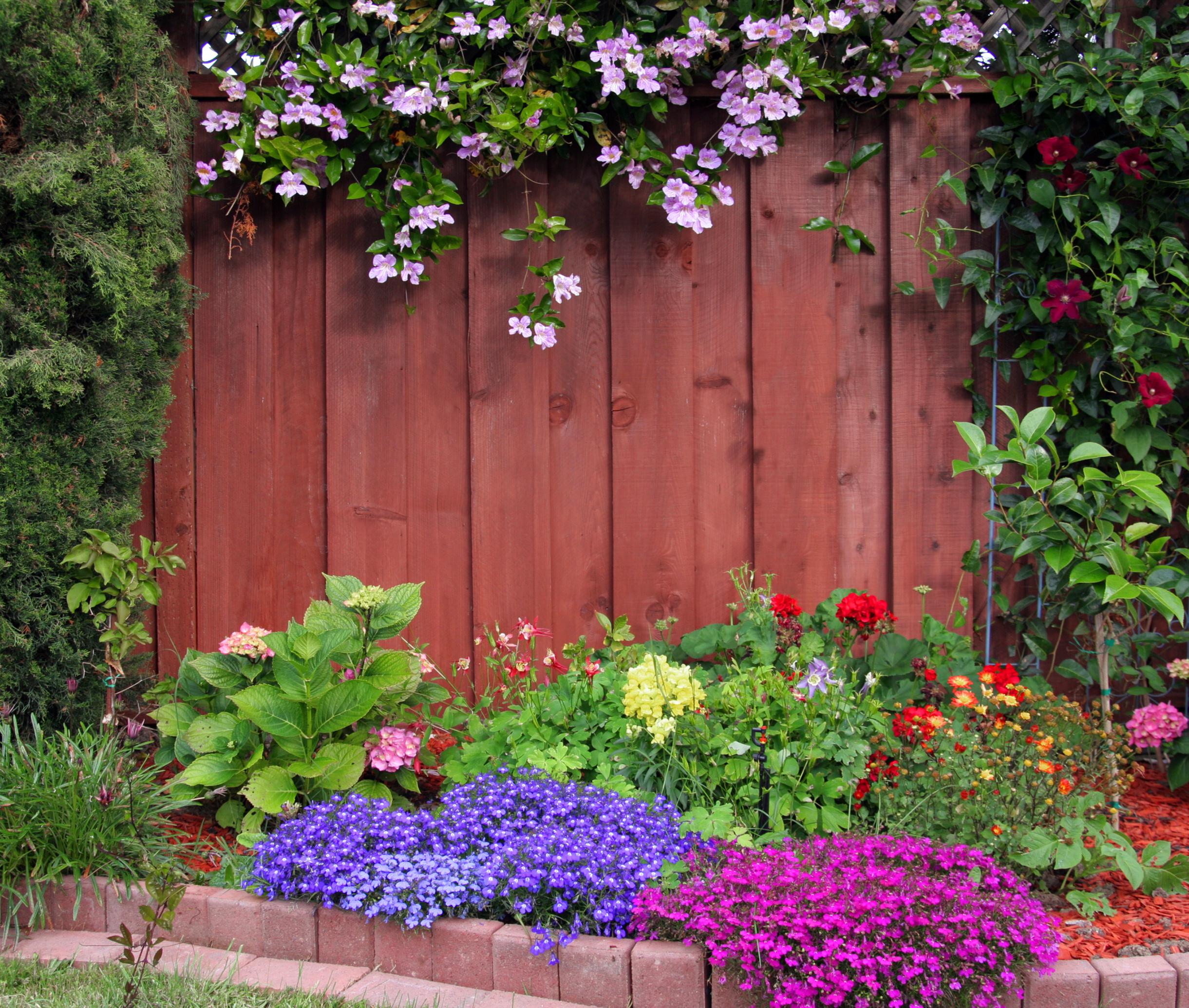
Living along the coast brings beautiful views and steady sea breezes, but it also creates challenges for any outdoor structure. After months of intense sun, humidity, and salt exposure, many property owners in the Florida Panhandle begin to see subtle changes in their fences. That is often when they start researching professional wood fence installation through Top Rail Fence Florida Panhandle, to understand how coastal conditions influence long-term durability.
Salt air does not usually cause immediate failure. Instead, it slowly affects surface texture, hardware, and even the stability of fence boards. By the end of summer, homeowners often recognize that coastal living requires a more strategic approach to wood fencing and overall fence installation.
Understanding what really happens during a salt-heavy season helps homeowners make informed decisions before minor changes turn into structural concerns.
Why Coastal Air Changes the Performance of Wood Fencing
Coastal climates expose materials to airborne salt particles, elevated humidity, and intense UV radiation. Each factor plays a role in how a wood fence installation performs over time.
Salt Accumulation on Fence Boards
Salt particles carried inland by wind settle on horizontal surfaces and absorb moisture from the air. Over time, this repeated moisture cycle can affect the outer layer of fence boards, especially if they are not sealed properly. The surface may appear slightly rougher or fade unevenly after a long summer.
This does not mean wood fencing is unsuitable for the coast. It simply means that careful material selection and sealing processes are essential to prevent premature wear.
Hardware and Fastener Exposure
While wood itself is resilient, fasteners often show signs of corrosion first. If standard hardware is used instead of galvanized or stainless components, salt exposure accelerates rust formation. A professional wood fence installation accounts for this by selecting corrosion-resistant fasteners designed specifically for coastal conditions.
According to the National Park Service, salt-laden air significantly increases corrosion rates in outdoor structures near coastal environments. That same principle applies to fence hardware, making proper material selection critical in the Florida Panhandle.
The Summer Sun Factor Many Homeowners Overlook
Salt is only part of the story. The intense summer sun across the Florida Panhandle also plays a major role in how wood fencing ages.
UV Exposure and Surface Fading
Ultraviolet rays break down lignin in wood, resulting in graying and surface softening over time. After one long summer, homeowners may notice that certain fence sections fade faster than others. Panels facing direct afternoon sun often show earlier changes than shaded areas.
During wood fence installation, orientation and layout matter. Strategic placement can reduce prolonged direct exposure to vulnerable sections.
Expansion and Contraction Cycles
Coastal humidity creates a repeating cycle of swelling at night and drying during the day. This natural expansion and contraction affects fence boards, especially if spacing was not calculated carefully during initial fence installation. Boards that were installed too tightly can press against each other when humidity rises, leading to minor warping.
Professional installation teams consider airflow and spacing so that seasonal movement does not compromise alignment.
Soil Conditions Along the Coast
Salt air affects above-ground components, but soil conditions are equally important. Sandy soils common in the Florida Panhandle drain quickly but may shift during heavy rainstorms.
Post Stability and Drainage
Proper post depth and secure anchoring are foundational to lasting wood fence installation. In coastal regions, posts must account for shifting sand and occasional tropical weather systems. Without this preparation, posts can lean or settle unevenly after one storm season.
Homeowners exploring long-term durability often review professional approaches to wood fencing solutions to understand how drainage planning improves structural performance in beachside communities.
Wind Load Considerations
Open coastal landscapes allow stronger wind gusts to move freely across properties. Solid privacy panels create more resistance, increasing pressure on posts and rails. A thoughtful fence installation balances privacy with airflow, reducing stress during storms while maintaining aesthetic appeal.
Maintenance Patterns After a Salt-Air Season
After one extended summer, many homeowners notice small changes that signal maintenance is needed.
Cleaning Away Salt Residue
Gentle washing removes salt buildup that can retain moisture against the surface of fence boards. Routine cleaning prevents long-term surface breakdown and preserves the natural texture of wood fencing.
Resealing at the Right Time
Coastal fences benefit from periodic sealing that protects against both UV exposure and salt moisture. Timing matters. Sealing when boards are too damp can trap moisture, while waiting too long leaves wood vulnerable.
A professional consultation during wood fence installation typically includes guidance on when and how to maintain the fence after the first summer.
Why Local Coastal Experience Matters
Not every installer understands how salt air behaves across different neighborhoods in the Florida Panhandle. Inland properties experience less airborne salt than those closer to the Gulf. Microclimates can vary significantly even within a few miles.
Top Rail Fence Florida Panhandle evaluates exposure levels, soil conditions, and prevailing wind direction before recommending materials or layouts. This localized planning helps ensure that each wood fence installation is tailored to its exact environment rather than relying on generalized construction practices.
Homeowners who take a proactive approach often avoid the common surprises that appear after a long salt-heavy summer.
Long-Term Performance Starts With Informed Planning
A well-planned wood fence installation is not just about appearance on day one. It is about anticipating how salt, sun, wind, and humidity interact over months and years. When quality materials, corrosion-resistant hardware, proper spacing, and coastal-aware post-setting techniques come together, wood fencing remains both functional and visually appealing.
If you are noticing seasonal changes in your fence or planning a new project in the Florida Panhandle, working with experienced professionals can make a measurable difference. Top Rail Fence Florida Panhandle provides guidance tailored specifically to coastal conditions. To discuss your property and receive recommendations built around your environment, visit the Contact Us page and take the next step toward a fence designed to handle every salt air summer with confidence.