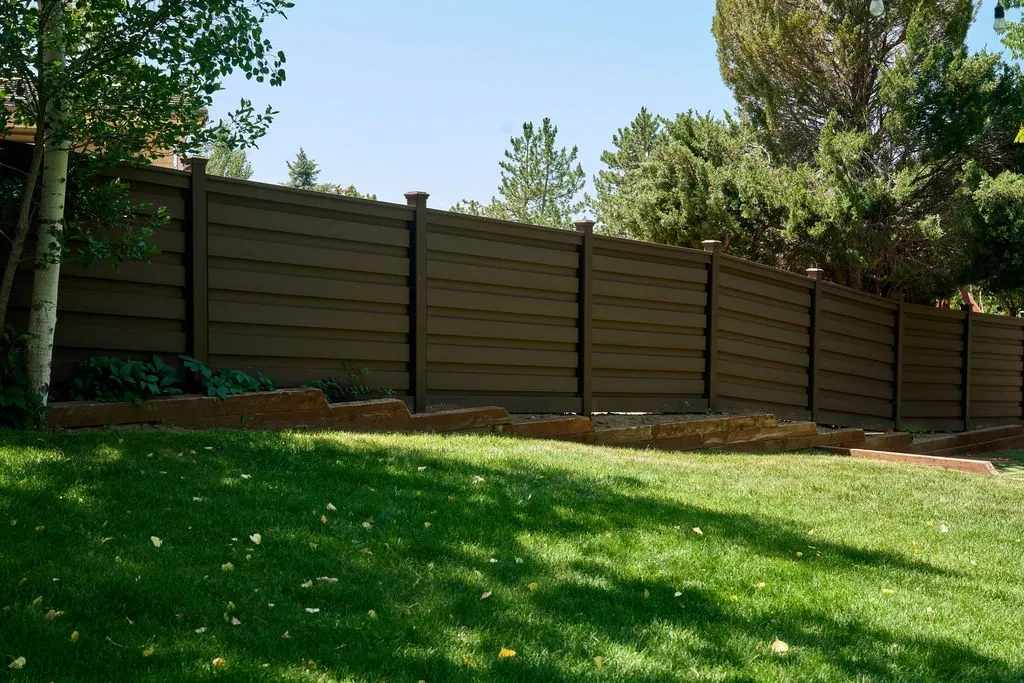
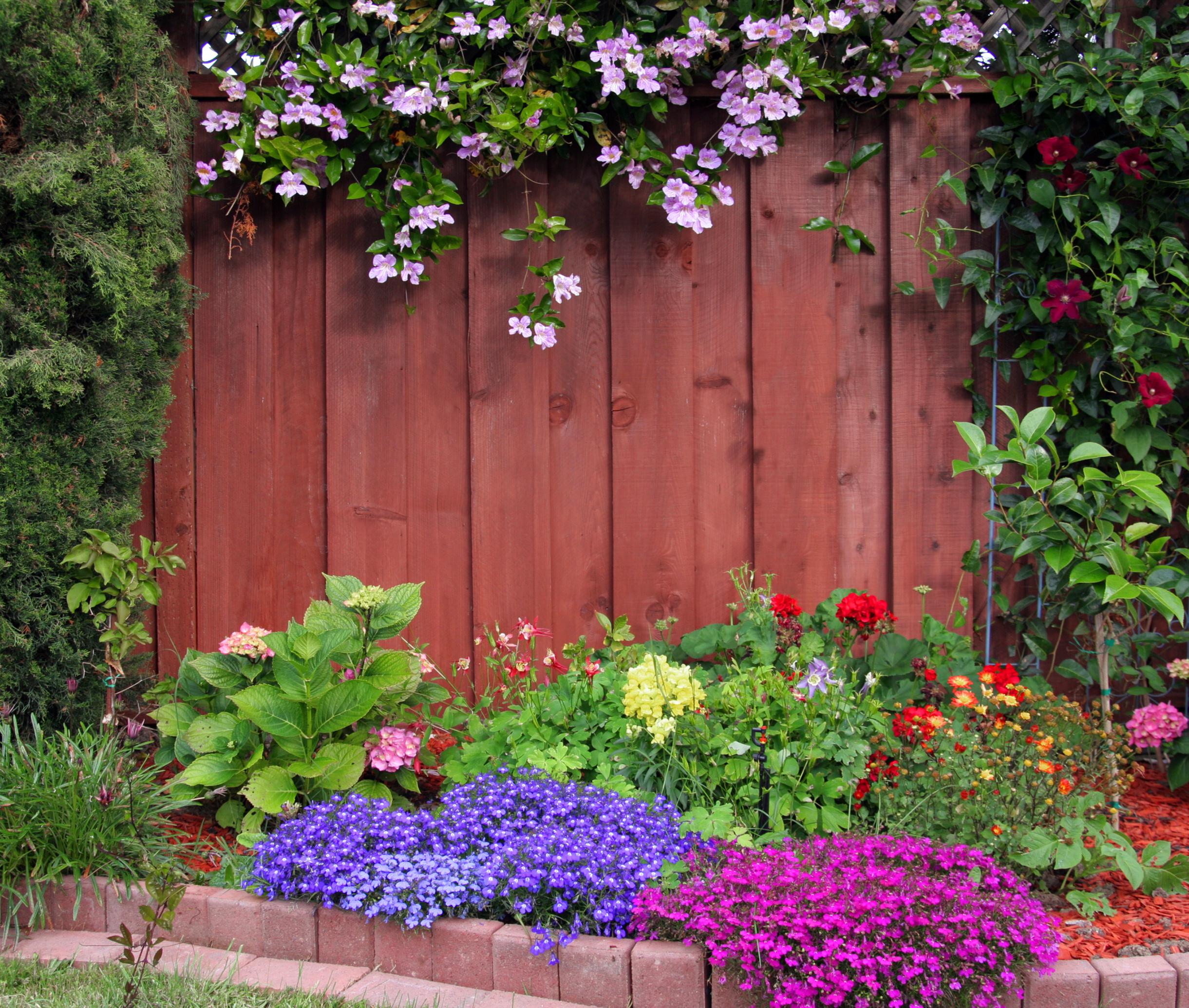
Coastal living in the Florida Panhandle offers stunning scenery and warm weather, but it also presents unique structural challenges for property improvements. Homeowners planning wood fence installation quickly discover that sandy soil and sudden downpours influence how a fence performs over time. That is why many residents begin their research with Top Rail Fence Florida Panhandle to better understand how regional conditions affect long-term durability.
Unlike dense clay soils found in other parts of the country, sand shifts more easily and drains rapidly. Pair that with heavy seasonal rainstorms, and the ground beneath your fence becomes just as important as the boards above it. A successful wood fence installation in this region requires thoughtful planning, proper materials, and a strategy built specifically for coastal environments.
The Impact of Sandy Soil on Fence Stability
Sandy soil may seem easy to work with, but its loose composition requires careful preparation during wood fence installation.
Post Depth and Anchoring Techniques
In sandy conditions, posts must be set deeper than in compact soil to provide adequate support. Because sand does not grip tightly, installers often reinforce posts with concrete footings designed to stabilize the structure even during saturated conditions.
Without proper anchoring, heavy rain can loosen soil around posts, causing minor leaning over time. A professionally executed wood fence installation accounts for this movement from the beginning, reducing the risk of shifting panels after intense storms.
Drainage Patterns After Downpours
One advantage of sandy soil is quick drainage. However, during sudden Gulf Coast downpours, water can temporarily pool before filtering through. This rapid saturation followed by drainage creates subtle soil movement around fence posts.
Understanding these patterns helps ensure that each durable fence material selected for the project is supported by equally durable structural planning below ground.
Why Material Selection Matters in Coastal Soil
Choosing the right lumber plays a major role in how a fence performs in humid, rain prone environments.
hThe Benefits of a Cedar Wood Fence
A cedar wood fence is often favored in coastal regions because cedar naturally resists moisture, insects, and decay. Its internal oils act as a protective barrier, helping boards withstand repeated wet and dry cycles common in the Florida Panhandle.
According to the USDA Forest Service Wood Handbook, certain wood species, such as cedar, exhibit greater natural decay resistance compared to untreated softwoods. This makes cedar a practical choice for coastal applications where humidity and rainfall are frequent.
When paired with proper wood fence installation, cedar performs exceptionally well against the region’s environmental stressors.
Selecting a Durable Fence Material for Longevity
Beyond species, board quality and treatment processes influence performance. Straight-grain boards with minimal knots reduce the risk of splitting after heavy rain exposure. Investing in a durable fence material at the outset minimizes maintenance concerns later.
Homeowners exploring different wood fence styles often find that style and material selection go hand in hand. A thoughtfully designed fence not only complements the property but also enhances airflow, which helps boards dry faster after storms.
Designing for Sudden Downpours
Rainfall intensity in the Florida Panhandle can be unpredictable. Designing with water movement in mind improves long-term performance.
Spacing and Air Circulation
Proper spacing between boards allows airflow that accelerates drying after heavy rain. Certain wood fence styles, such as shadowbox or board-on-board configurations, encourage ventilation while maintaining privacy.
During wood fence installation, professionals calculate spacing to balance aesthetics and structural flexibility. Boards installed too tightly may swell during wet conditions, leading to pressure points and warping.
Fence Height and Wind Resistance
Coastal storms bring strong wind gusts. Taller fences catch more wind, increasing strain on posts and rails. Selecting a durable fence material and combining it with reinforced post placement ensures the fence remains stable during weather events.
Strategic layout decisions made during wood fence installation significantly influence how well the structure handles both rainfall and wind pressure.
Maintenance Strategies in Sandy Coastal Environments
Even the best materials benefit from proactive care.
Monitoring Soil Around Posts
After major rainstorms, checking for soil erosion around posts helps prevent long-term stability issues. Recompacting sand or adding supportive fill maintains alignment and protects the integrity of the wood fence installation.
Sealing and Surface Protection
Applying sealant after proper drying time shields a cedar wood fence from excessive moisture absorption. Routine inspection of boards and hardware keeps minor concerns from escalating.
Because sandy soil drains quickly, fences may dry faster than in clay regions. Still, timing matters. Sealing too soon after rainfall can trap moisture inside the wood.
Matching Fence Style to Environment
Not all wood fence styles perform equally in coastal settings. Solid privacy panels provide full coverage but may restrict airflow. Semi-private designs allow wind to pass through more easily, reducing structural stress.
Homeowners in the Florida Panhandle benefit from evaluating style options alongside soil and weather considerations. A visually appealing fence should also reflect practical resilience.
This is where local expertise becomes essential. Top Rail Fence Florida Panhandle evaluates property layout, soil type, and drainage patterns before recommending a specific wood fence installation plan. Their familiarity with regional conditions allows homeowners to select a durable fence material suited to both sandy soil and sudden downpours.
Building With Confidence in the Florida Panhandle
Installing a fence in sandy coastal soil is not simply about digging holes and setting posts. It involves understanding how shifting ground, rapid drainage, and intense rainstorms interact with wood over time. A well-planned wood fence installation incorporates deeper anchoring, corrosion-resistant hardware, and moisture-aware board spacing.
Choosing a cedar wood fence adds natural protection, while thoughtful consideration of wood fence styles improves airflow and storm resistance. When these elements align, homeowners enjoy a fence that maintains both structural integrity and curb appeal season after season.
If you are planning a new project or reassessing an existing fence in the Florida Panhandle, guidance tailored to coastal conditions makes a measurable difference. Top Rail Fence Florida Panhandle helps property owners navigate soil challenges, select the right durable fence material, and implement professional wood fence installation strategies built for this environment. To start planning a fence designed for stability and longevity, visit the Contact Us page and take the next step toward a structure prepared for sandy soil and sudden downpours.