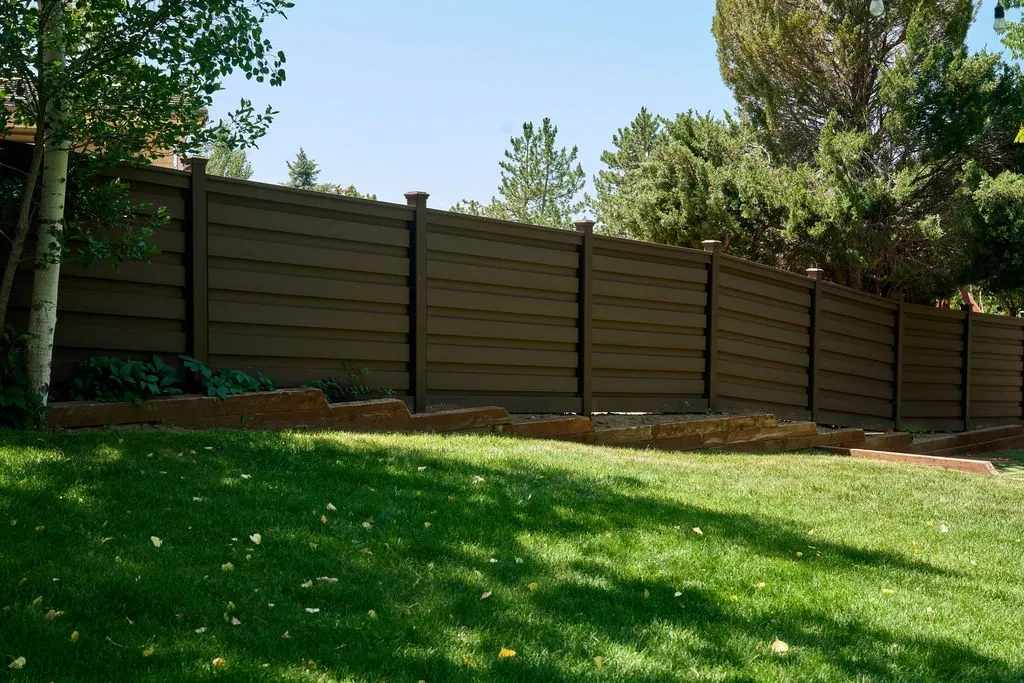
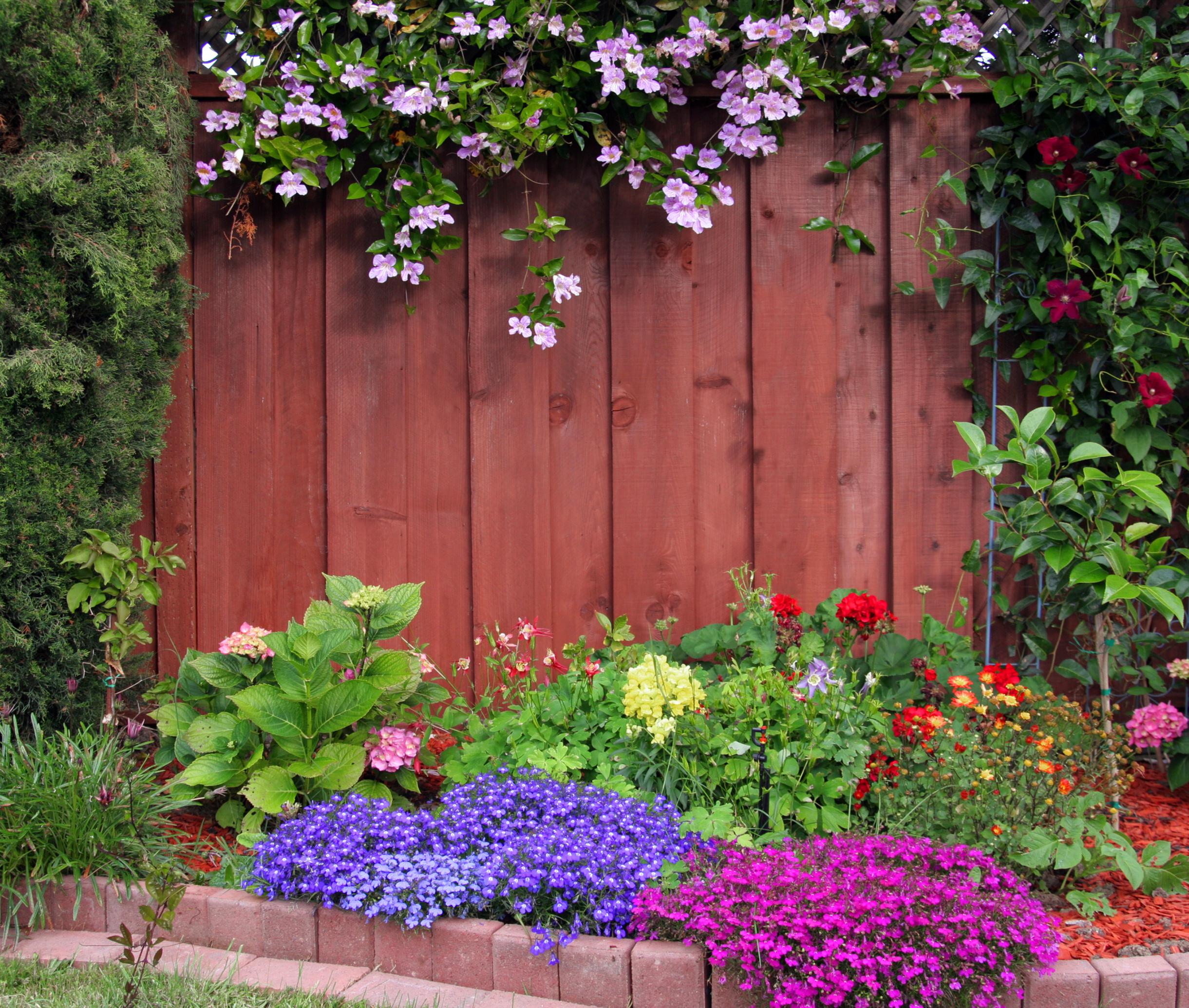
When it comes to fence installation in Holland, timing and planning are everything. The changing seasons along Michigan’s lakeshore bring unique challenges, from frozen ground in winter to heavy spring rains, which can complicate even the most straightforward fencing projects. To help homeowners prepare, this guide explores smart fence planning techniques, the right fence materials, and how to schedule a residential fence installation that’s built to last, no matter the season.
Understanding Holland’s Seasonal Impact on Fence Installation
The weather in Holland can shift drastically, and that has a direct effect on how your fence installation unfolds. Winter brings deep frost that makes digging post holes difficult, while summer’s heat can dry out the soil, affecting post stability. Planning your project around these conditions is key.
According to Top Rail Fence Holland, early fall and late spring are typically the best times for homeowners to begin their residential fence installation projects. During these periods, soil conditions are ideal for digging, and materials like wood and vinyl can settle more evenly without the stress of extreme temperatures.
If you’re unsure when to begin, consult a local fencing professional who understands Holland’s weather cycles and can recommend the optimal season for your installation. You can also visit Top Rail Fence’s Holland location to explore seasonal fencing advice tailored to your area.
Choosing the Right Fence Materials for Every Season
Not all fence materials are created equal, especially when battling Michigan’s unpredictable climate. Each material responds differently to the region’s cold, moisture, and sun exposure.
- Wood: While wood fences bring warmth and natural beauty, they require regular sealing and maintenance to withstand moisture and prevent rot. Cedar is a popular choice in Holland for its natural resistance to decay.
- Vinyl: Vinyl fencing is low-maintenance and ideal for humid environments, but it can become brittle during extreme cold spells.
- Metal: Aluminum or steel options stand strong against wind and snow, but you’ll need a protective coating to prevent rust.
For an in-depth comparison of materials, check out Top Rail Fence’s guide on fence materials, where you’ll learn which materials best match Holland’s climate and your property’s aesthetic.
Smart Fence Planning for Long-Term Durability
Proper fence planning starts with more than just choosing a material. It involves mapping your property, determining purpose (privacy, safety, or design), and understanding local regulations. Holland’s zoning laws, for example, often dictate height limits and setback distances.
Before breaking ground, check for underground utilities and secure the necessary permits from local authorities. Many homeowners overlook this crucial step and face costly repairs later. A good rule of thumb: plan twice, dig once.
You can use resources like the City of Holland’s Building Department page to learn about permits and local fencing rules.
How to Tackle Seasonal Obstacles During Installation
- Winter: The frozen ground in Holland makes post-installation tough. If winter is your only window, use a power auger and concrete mix formulated for cold weather.
- Spring: Expect high moisture levels. Avoid installation right after heavy rain to prevent soil instability.
- Summer: Ideal for quick projects, but be mindful of heat expansion in vinyl fencing and dehydration cracks in wood posts.
- Fall: A balanced season with cool temperatures and dry conditions, perfect for both planning and installation.
To ensure a smooth process, consider professional help from Top Rail Fence Holland, especially for cleaning and prepping your property before installation. They can clear debris, remove mildew, and prepare your fence line efficiently, saving you time and avoiding long-term damage.
Maintenance Tips After Fence Installation
Once your fence installation is complete, regular upkeep ensures your fence stays sturdy year-round.
Clean your fence at least twice annually using mild detergent and water to remove dirt, mold, and salt residue from lake winds. For wooden fences, reseal or repaint every two years to maintain protection against moisture.
If your fence sits near trees, trim branches to prevent moisture retention and surface staining. For vinyl and metal fences, occasional rinsing will help prevent corrosion and fading.
Explore Top Rail Fence’s Contact Page if you’d like expert assistance with fence upkeep or maintenance scheduling.
When to Call the Experts
DIY fence installation is possible, but not always advisable during challenging weather. If you encounter uneven soil, drainage issues, or complex layouts, professional installers can ensure your fence remains level and secure.
Top Rail Fence Holland partners with trusted local experts who understand the region’s soil, weather, and community standards. They can help ensure your fencing project not only looks great but also withstands every season Holland brings.
For more insights on planning a residential fence installation, visit Top Rail Fence’s fence installation blog to find maintenance guides and expert advice for year-round fence care.
Conclusion
A successful fence installation in Holland comes down to preparation, timing, and the right fence materials. Whether you’re tackling seasonal challenges or designing a fence to complement your landscape, thoughtful fence planning ensures lasting results. From weatherproofing your materials to scheduling around seasonal shifts, every detail matters.
When in doubt, reach out to Top Rail Fence Holland or your local Top Rail Fence experts for professional support in creating a durable, stylish fence that enhances your property throughout the year.