Many homeowners in Holland assume that once a fence looks good in summer, winter performance will be about the same. That assumption often changes after the first freeze, heavy wind, and repeated thaw cycles. Homeowners researching vinyl fence installation usually start by browsing the Top Rail Fence Holland page to understand how fencing materials actually behave during long winters near the lake. What many discover is that vinyl performs very differently than expected once winter truly sets in.
The Common Winter Myth About Vinyl Fencing
Before winter arrives, vinyl often gets labeled as a warm-weather material. That belief fades quickly when homeowners see how modern vinyl fencing reacts to cold temperatures.
Flexibility Versus Brittleness
A frequent concern is that vinyl becomes brittle in freezing weather. In reality, properly manufactured vinyl fence panels are designed to flex slightly rather than crack. This flexibility allows panels to absorb wind pressure and minor impacts from snow buildup. Homeowners who invested in professional vinyl fence installation often notice that panels stay aligned even after repeated storms.
Color Stability Through Cold Months
Another assumption is that white or light-colored vinyl will discolor after harsh winters. Quality vinyl fencing is UV-stabilized, meaning winter sun reflection off snow does not cause yellowing or fading. Many residents are surprised to see their fences look nearly identical in spring as they did the previous fall.
How Holland Winters Test Fence Materials
Winters in Holland bring more than cold temperatures. Wind, moisture, and freeze-thaw cycles create ongoing stress on outdoor structures.
Snow Load and Panel Design
Heavy snow can push against fencing, especially in drift-prone areas. Well-installed vinyl fence panels distribute that pressure evenly across posts instead of concentrating stress in one spot. This is one reason homeowners who prioritize correct vinyl fence installation see fewer post shifts after winter.
Moisture Resistance Matters
Unlike wood, vinyl does not absorb moisture. Snow melt and ice buildup slide off instead of soaking in. According to the U.S. Department of Agriculture’s guidance on moisture-resistant building materials, non-porous materials experience significantly less weather-related degradation over time. That characteristic helps explain why vinyl remains structurally consistent through long winters.
Installation Details That Change Winter Outcomes
The difference between a fence that struggles and one that thrives often comes down to how it was installed.
Post Depth and Ground Conditions
Cold climates require posts to be set below the frost line. During vinyl fence installation, installers account for soil expansion and contraction. Homeowners who worked with Top Rail Fence Holland often note that their fences remain level even after severe winters because posts were placed with local soil conditions in mind.
Panel Spacing and Movement
Vinyl fencing systems allow for controlled movement. Panels are not locked rigidly in place, which prevents cracking during temperature swings. This design feature is easy to overlook but becomes critical during winter.
Why Vinyl Becomes a Low Maintenance Favorite
Winter is when maintenance demands become most noticeable. Vinyl’s performance during this season often reshapes homeowner priorities.
Cleaning Instead of Repairing
Snow, salt spray, and winter debris leave residue on fencing. With vinyl, a simple rinse restores appearance. This ease is why vinyl is widely considered a low maintenance fence. There is no scraping, repainting, or sealing once winter ends.
Long-Term Cost Perspective
Homeowners comparing materials mid-winter often rethink earlier assumptions. Replacing warped boards or addressing rust damage adds up. Those who chose vinyl appreciate that winter does not introduce new repair cycles. Many readers exploring long-term durability review details on the vinyl fencing page to better understand lifecycle costs.
Daily Life With Vinyl Through the Cold Season
Beyond durability, winter performance affects how homeowners use their property.
Safety and Smooth Surfaces
Vinyl does not splinter or crack into sharp edges. This matters during icy months when pets and children brush against fences more frequently. Smooth vinyl fence panels remain safer even in freezing conditions.
Noise and Wind Control
Solid vinyl designs reduce wind flow and noise from winter storms. Homeowners living closer to open areas notice calmer yards, which adds comfort during months spent indoors.
Style Choices That Hold Up in Winter
Not all vinyl designs perform the same way. Style selection plays a role in winter success.
Privacy Panels Versus Open Designs
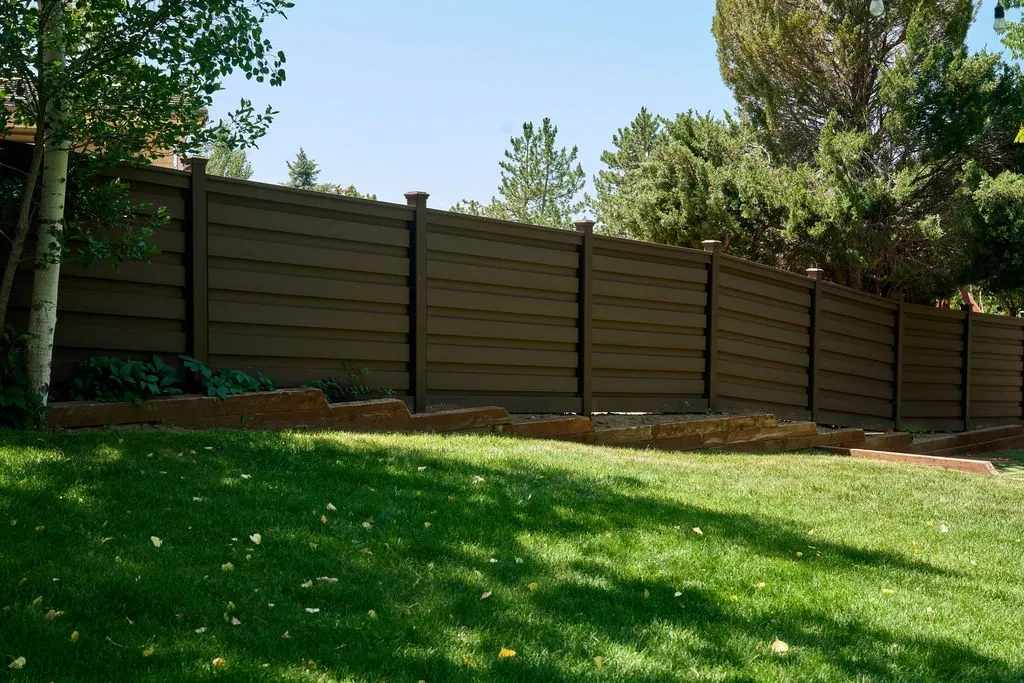
Solid privacy panels block drifting snow more effectively, while semi-private styles allow wind to pass through. Homeowners choosing vinyl fence installation based on yard exposure tend to be happier with winter results.
Texture and Finish Considerations
Textured finishes hide minor residue better than glossy surfaces. This becomes noticeable during winter when cleaning happens less frequently.
Rethinking Assumptions After One Winter
By spring, many homeowners admit their expectations were wrong. Vinyl did not become fragile, dull, or high-maintenance. Instead, it often emerged as the most reliable fencing option they had experienced. Conversations with Top Rail Fence Holland frequently reveal that winter performance becomes the deciding factor for recommending vinyl to neighbors.
Planning a Fence That Handles Every Season
A fence should not demand extra effort simply because the weather changes. With professional vinyl fence installation, homeowners gain a structure that remains stable, attractive, and easy to manage year-round. Vinyl’s ability to handle snow, moisture, and temperature swings makes it a practical long-term choice in Holland.
If you are considering a fencing upgrade and want fewer seasonal worries, a vinyl fence may be the solution that changes your expectations. To explore styles, installation options, or winter-ready designs, connect with Top Rail Fence Holland through the Contact Us page and start planning a fence built to perform through every winter ahead.