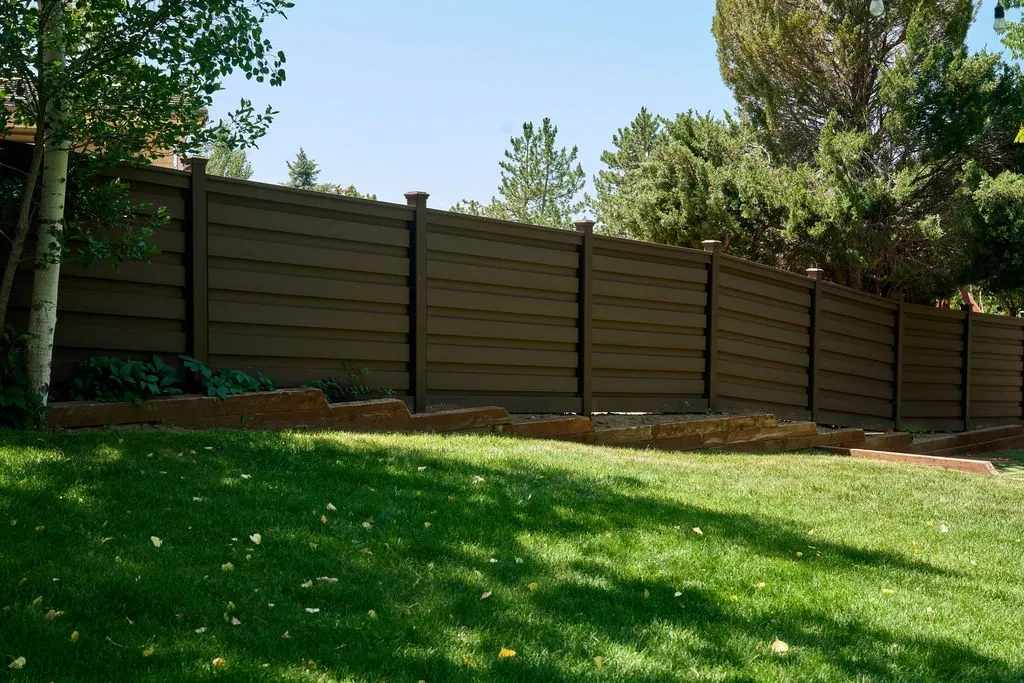
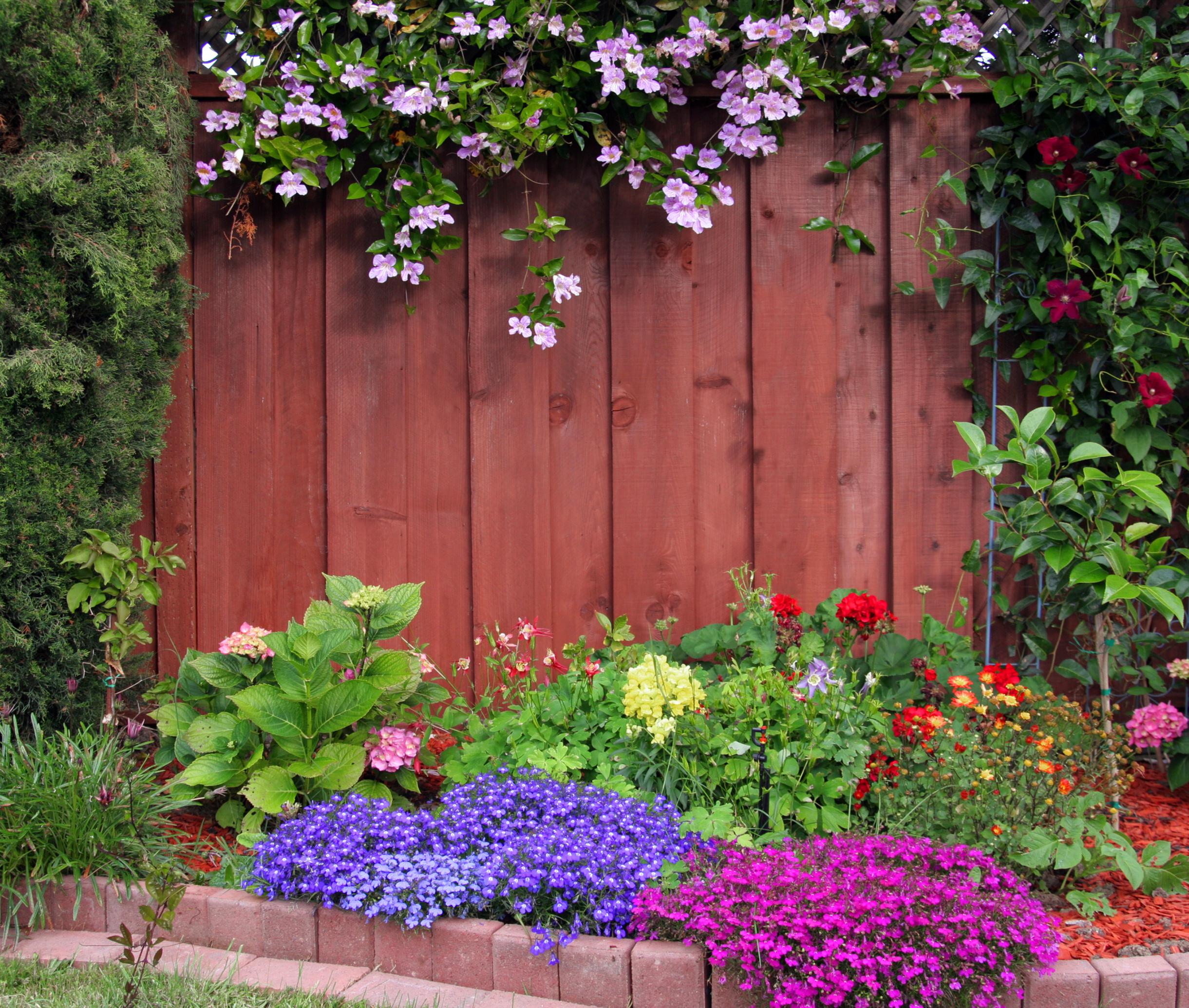
Across neighborhoods near Holland’s Waterfront and inland residential streets, property lines are becoming more clearly defined again. Homeowners are moving away from minimal or temporary barriers and returning to classic wood solutions that feel permanent, natural, and purposeful. This shift is driven by changing land use, evolving neighborhood density, and a renewed appreciation for craftsmanship. As a result, wood fence installation is once again becoming a preferred choice for homeowners who want structure without sacrificing character.
Many property owners begin this process by reviewing local solutions through the Top Rail Fence Holland to understand what boundary styles align best with lot layouts and local expectations. Working with experienced professionals like Top Rail Fence Holland ensures that fence placement respects property lines while enhancing curb appeal.
Why Traditional Wood Boundaries Are Making a Comeback
Property boundaries in Holland are more visible today than they were a decade ago. As lots are subdivided, renovated, or repurposed, homeowners want a clear separation that still feels welcoming. Traditional wood fencing answers that need better than modern alternatives.
Unlike composite or metal options, wood blends naturally with established neighborhoods. It communicates ownership and care without appearing industrial. This is why wood fence installation continues to grow in popularity for both new builds and existing homes undergoing upgrades.
How Lot Shapes Influence Fence Choices
Holland properties often feature irregular lot lines, corner parcels, or waterfront-adjacent boundaries. These layouts benefit from flexible wood fence types that can adapt to changing elevations and angles. Wood fencing allows for customization in spacing, height, and orientation that rigid materials cannot easily match.
Experienced installers understand how to follow property lines accurately while ensuring posts remain structurally sound and visually aligned.
Understanding the Role of Fence Structure in Boundary Design
A fence is only as strong as its foundation. One reason traditional designs are returning is their proven structural reliability. Properly set posts, consistent spacing, and durable materials all contribute to long-term performance.
A well-installed wood fence post anchors the entire structure. When posts are set at the correct depth and secured properly, fences remain upright and functional even through seasonal weather changes common in Holland.
Why Post Placement Matters More Than Ever
Modern boundary expectations require precision. Poor post placement can lead to leaning sections, disputes over property lines, and premature repairs. Professional wood fence installation accounts for soil conditions, frost depth, and drainage patterns.
Homeowners comparing fencing layouts often explore detailed material and layout guidance on the wood fencing page to understand how post spacing and design choices affect durability.
The Enduring Appeal of Stockade-Style Boundaries
Among traditional options, the stockade fence stands out as a symbol of privacy and permanence. Its tightly placed boards create a solid visual barrier that clearly defines ownership while offering security.
This style is particularly popular in neighborhoods where homes sit closer together or where privacy from foot traffic is a concern. The clean, vertical lines of a stockade design align well with both historic and modern homes, making it one of the most adaptable wood fence types available.
Practical Benefits Beyond Privacy
A stockade fence does more than block views. It reduces noise, protects landscaping, and creates defined outdoor living spaces. Because individual boards can be replaced, maintenance is more manageable compared to panel-based systems.
When paired with quality materials and professional wood fence installation, stockade designs can last for decades with routine care.
How Boundary Trends Reflect Community Values
The renewed interest in traditional fencing reflects a broader desire for clearly defined spaces. Homeowners want boundaries that feel intentional, not temporary. Wood fencing communicates stability, craftsmanship, and respect for neighboring properties.
Local contractors like Top Rail Fence Holland see this trend firsthand as more homeowners request classic layouts over minimalist alternatives. These choices often stem from a desire to preserve neighborhood character while meeting modern functional needs.
According to the Michigan State University Extension, traditional building materials like wood continue to perform well in Michigan climates when properly installed and maintained, reinforcing why these designs remain relevant.
Planning a Boundary Fence That Lasts
Choosing the right boundary fence involves more than selecting a style. Homeowners must consider lot layout, soil conditions, and long-term use. Professional wood fence installation ensures that boundaries are legally compliant, structurally sound, and visually cohesive.
From selecting the right wood fence post to determining which wood fence types best suit your property, informed planning reduces future repairs and maximizes value.
Final Thoughts on Holland’s Boundary Trends
The return to traditional wood boundaries reflects changing priorities among Holland homeowners. Clear property lines, timeless aesthetics, and durable construction are once again at the forefront of fencing decisions.
Whether you are considering a stockade fence or exploring other classic designs, working with trusted professionals like Top Rail Fence Holland helps ensure your project is done right. To discuss your boundary needs or request guidance on your next wood fence installation, visit the Contact Us page and start planning a fence that respects both your property and your neighborhood.
Traditional wood boundaries are not just a trend; they are a timeless classic. They are a return to thoughtful, lasting design that continues to define Holland properties with clarity and character.