Communities near Holland’s Waterfront experience noticeable shifts in population throughout the year. Seasonal residents, short-term renters, and summer visitors change how properties are used, occupied, and viewed. These fluctuations directly influence wood fence designs, especially for homeowners who want fencing that balances durability, appearance, and adaptability. A fence that works well in winter may face very different demands during peak summer months.
Homeowners planning upgrades often consult Top Rail Fence Holland because local experience matters when population patterns affect fencing priorities. Early planning helps ensure that fencing choices remain functional and attractive year-round rather than tailored to only one season.
The first step in making the right decision is understanding how seasonal living changes fencing needs across residential neighborhoods, which is why many property owners begin by reviewing local fencing solutions through the Holland fencing location page before settling on a final design.
Why Seasonal Living Changes Fence Priorities
Homes that sit vacant part of the year face different challenges than full-time residences. During off-season months, fences must prioritize security and weather resistance. In peak seasons, aesthetics and outdoor usability become more important. This is where thoughtful wood fence designs outperform generic layouts.
Seasonal population increases often mean more foot traffic, pets, outdoor gatherings, and visibility. Fences must define boundaries clearly without feeling closed off. At the same time, properties left unattended during colder months benefit from designs that discourage trespassing and withstand wind and moisture.
How Fence Visibility Affects Seasonal Properties
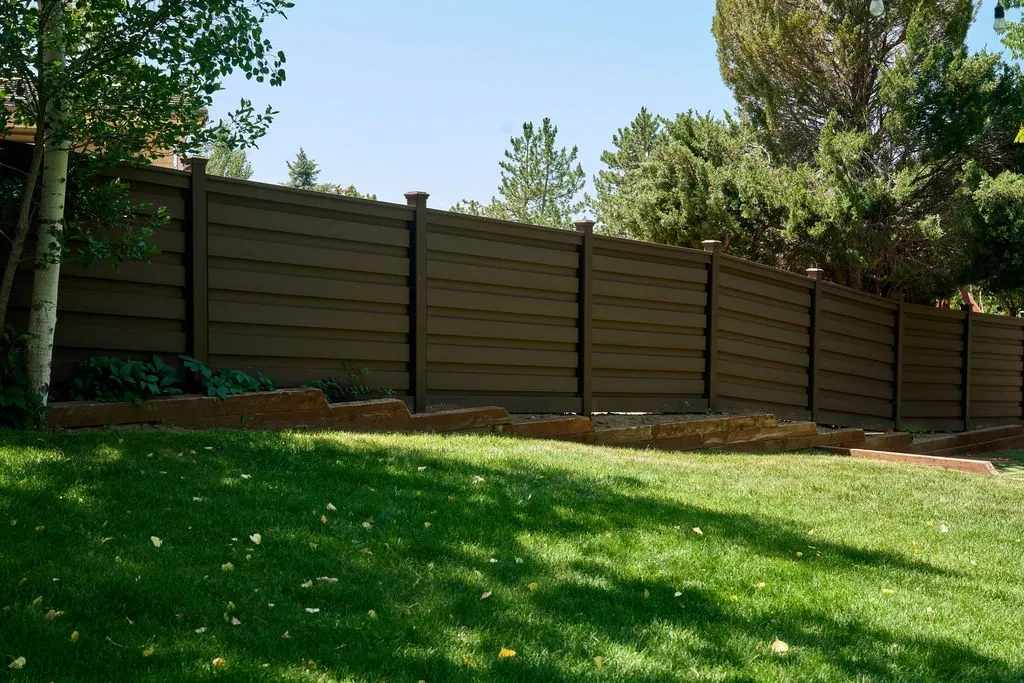
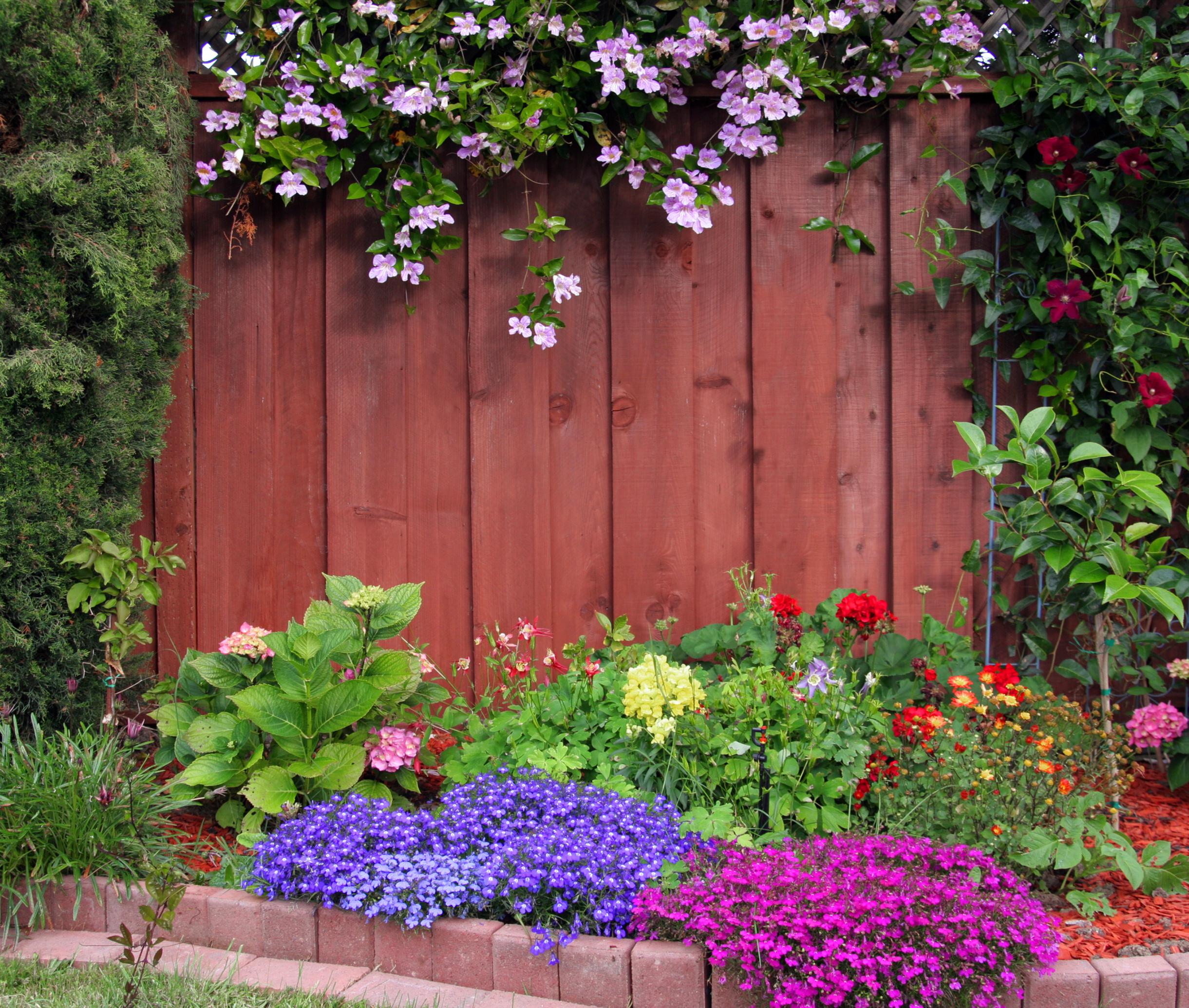
Visibility plays a major role in design decisions. Solid privacy fences may feel appropriate in winter, but they can feel restrictive during summer when neighbors are active outdoors. Alternating board spacing and semi-private layouts are increasingly popular wood fence styles in areas with seasonal population shifts.
These designs allow airflow and visibility while still defining property lines. They also age more evenly when exposed to fluctuating moisture and sunlight, which is common near Holland’s Waterfront.
Selecting Fence Types That Adapt Year-Round
Choosing adaptable wood fence types is essential for properties that experience seasonal changes. Fences need to look intentional, whether a home is occupied or vacant. Styles that rely on clean lines and balanced proportions tend to perform better visually across seasons.
Materials also matter. Pressure-treated lumber and cedar are often favored because they handle moisture and temperature changes more effectively. However, even the best materials require correct spacing and orientation during wood fence installation to avoid warping or premature wear.
Local installers like Top Rail Fence Holland understand how seasonal use impacts fence stress points, from gate hinges to post spacing.
Design Features That Support Seasonal Use
Certain features make fences more practical for seasonal living. Reinforced gates accommodate frequent summer use, while reinforced posts help fences remain stable when properties are unoccupied during winter storms. These details often get overlooked when design decisions focus only on appearance.
Midway through the planning process, many homeowners explore different wood fencing options to compare how various layouts support both privacy and openness depending on the season. This comparison helps align design with real-world use rather than short-term trends.
How Seasonal Rentals Influence Fence Choices
Rental properties face additional considerations. Fences must withstand frequent use by different occupants while maintaining curb appeal for future bookings. Simple, durable wood fence designs often outperform overly decorative styles in these scenarios.
Clear boundary definition also reduces disputes and protects landscaping during busy months. Well-designed fencing can even enhance rental value by creating usable outdoor spaces without isolating the property from its surroundings.
Research from the Michigan State University Extension highlights how seasonal occupancy patterns influence residential property maintenance and material performance in lakeside communities, reinforcing the importance of climate-aware design.
Balancing Style and Maintenance
Seasonal homeowners often prefer fencing that requires minimal upkeep. Certain wood fence styles allow for easier cleaning, staining, and board replacement, making them ideal for properties that are not occupied year-round.
Proper wood fence installation plays a major role here. When fences are installed with expansion gaps and moisture management in mind, they require fewer repairs and maintain their appearance longer despite seasonal changes.
Planning for Long-Term Performance
The best fencing decisions consider how a property functions across all seasons, not just during peak occupancy. By focusing on adaptable wood fence designs, homeowners protect their investment while enhancing year-round usability.
Working with experienced professionals like Top Rail Fence Holland helps ensure that design decisions align with local climate patterns, seasonal population changes, and long-term maintenance goals.
Final Thoughts on Seasonal Fence Design
Seasonal living in Holland’s Waterfront neighborhoods introduces unique challenges that influence fencing decisions. From fluctuating occupancy to weather exposure, these factors demand thoughtful planning and informed material selection.
Choosing adaptable wood fence types, planning professional wood fence installation, and selecting versatile wood fence styles all contribute to a fence that performs well throughout the year. To discuss options tailored to your property and seasonal needs, reach out directly through the Contact Us page and get expert guidance before installation begins.
With the right approach, wood fencing can complement seasonal living while remaining durable, attractive, and functional no matter the time of year.