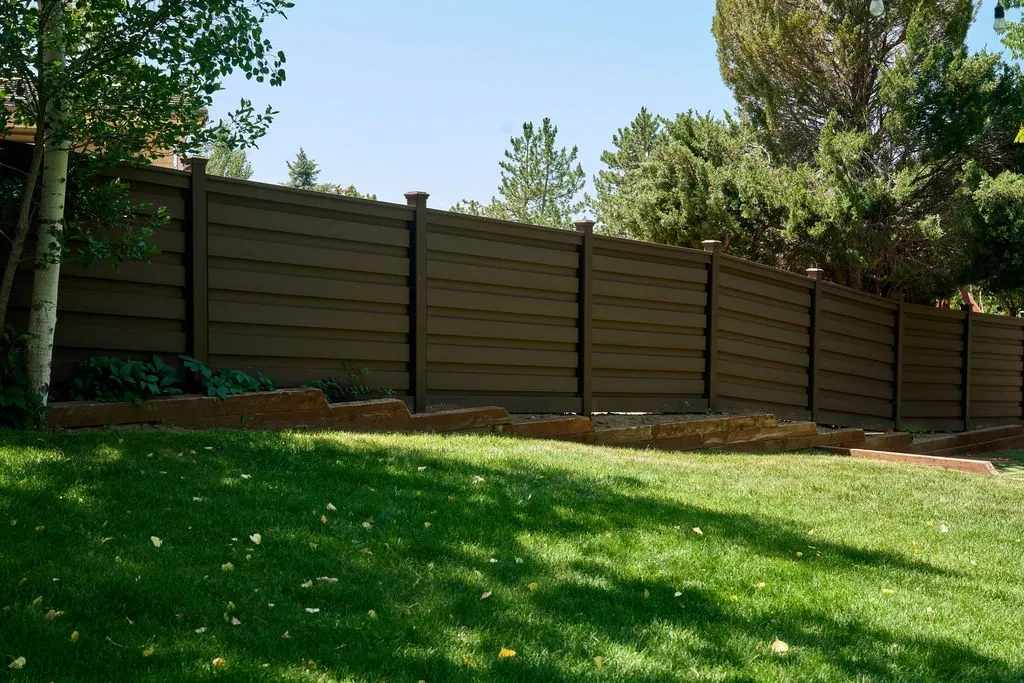
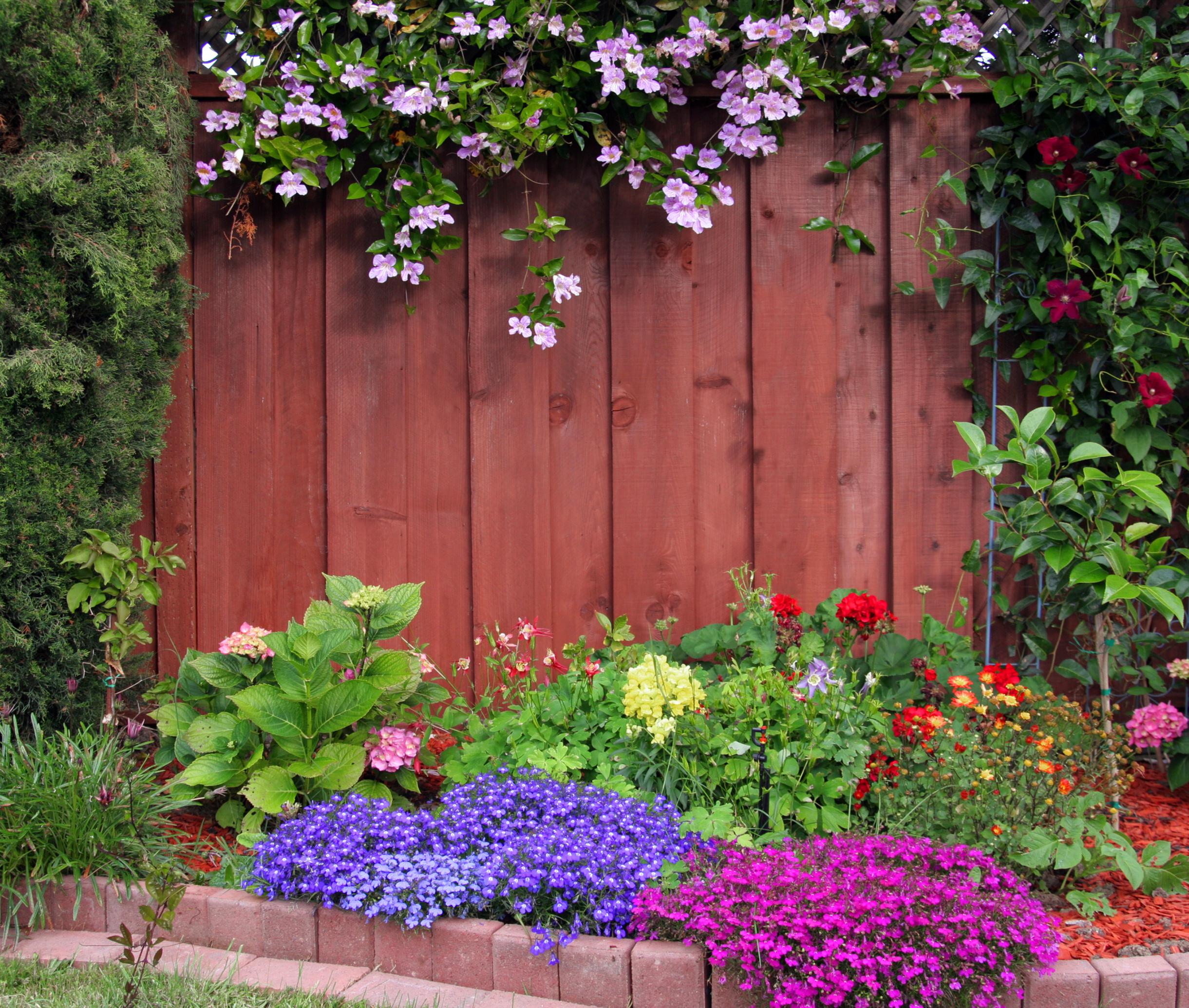
Homes located near Holland’s Waterfront face unique environmental pressures that directly affect fencing performance. From constant moisture exposure to shifting temperatures off Lake Michigan, these conditions demand a more informed approach to wood fence installation. Property owners who treat waterfront fencing the same as inland projects often encounter premature damage, costly fence repair, and shortened fence lifespans. Understanding why these issues occur is the first step toward building a fence that lasts.
Living close to the water changes how materials behave, especially wood. Many homeowners turn to trusted local providers like Top Rail Fence Holland after noticing that standard residential fencing solutions fail faster along the shoreline. The good news is that with the right planning, materials, and installation approach, wood fences can still perform beautifully in these conditions.
How Waterfront Moisture Alters Wood Performance
Proximity to water increases humidity levels throughout the year. Even on clear days, moisture remains suspended in the air and settles into exposed surfaces. Wood naturally absorbs this moisture, which causes swelling, contraction, and eventual splitting if the fence is not properly designed for the environment.
This is why professional wood fence installation near Holland’s Waterfront differs from inland projects. Boards require additional spacing, posts must be set deeper, and drainage planning becomes essential. Many fencing issues blamed on poor craftsmanship actually stem from environmental stress that was never accounted for during installation.
For homeowners researching local options, visiting the Holland fencing location page early in the planning phase helps align expectations with real waterfront conditions.
Why Sun and Wind Create Uneven Aging
Waterfront properties receive more consistent wind exposure, which accelerates surface drying after rain but also increases abrasion over time. Combined with reflected sunlight off the water, this creates uneven weathering across the fence line. One side may dry too quickly while the other retains moisture, leading to warping and discoloration.
Quality wood fencing projects in this region focus on balanced exposure and proper sealing. This is where experienced installers like Top Rail Fence Holland apply region-specific methods that reduce uneven aging and help fences maintain structural integrity longer.
The Role of Wood Selection Near the Water
Not all wood species respond the same way to moisture and temperature changes. Some absorb water rapidly, while others resist decay more effectively. Selecting the wrong wood type increases the likelihood of rot, insect activity, and repeated fence repair.
Pressure-treated lumber, cedar, and certain hardwoods perform better when installed correctly. However, even the best material fails without proper airflow and drainage. This is why waterfront residential fencing projects should never rely on generic installation templates.
Environmental guidance from the National Oceanic and Atmospheric Administration reinforces how coastal and lakeside climates accelerate material wear due to sustained humidity and wind exposure.
Installation Techniques That Matter More Near Water
Standard fence installation methods often fall short in waterfront environments. Posts need reinforced footings, fasteners must resist corrosion, and horizontal rails require spacing adjustments. These technical details separate long-lasting fences from those that need early replacement.
Midway through the planning process, many homeowners explore related wood fencing options to compare styles that better support airflow and drainage. Shadowbox and spaced picket designs often outperform solid panels near the water.
This is also where Top Rail Fence Holland brings value by aligning fence design with shoreline exposure patterns rather than relying on one-size-fits-all solutions.
Why Maintenance Cycles Are Shorter Waterfront
Even with excellent installation, fences near Holland’s Waterfront require more frequent inspections. Seasonal moisture buildup can loosen fasteners, and winter freeze-thaw cycles stress joints and posts. Proactive maintenance reduces the need for extensive fence repair later.
Regular sealing, gentle cleaning, and early board replacement help preserve appearance and structure. Homeowners who schedule inspections annually often extend fence life significantly compared to those who wait for visible damage.
Designing for Longevity Without Sacrificing Style
Waterfront fencing does not have to be purely functional. With thoughtful design, wood fences can enhance curb appeal while withstanding environmental stress. Height variation, board spacing, and stain selection all play a role in performance and aesthetics.
Experienced teams like Top Rail Fence Holland help homeowners balance durability with visual appeal, ensuring that residential fencing complements the surrounding landscape while standing up to waterfront conditions.
Making the Right Choice for Your Property
Choosing the right wood fence installation strategy near Holland’s Waterfront starts with understanding how the climate affects materials. Homes in this area need fencing solutions that account for moisture, wind, and temperature shifts from day one.
If you are planning a new fence or addressing ongoing wear, working with local professionals who understand waterfront conditions makes a measurable difference. To discuss options tailored to your property, connect directly through the Contact Us page and get expert guidance before issues escalate.