In Holland, homeowners often notice a clear difference between wood fences that develop character over time and those that begin to look worn far too soon. The difference usually isn’t luck. It often comes down to how the wood fence installation was handled from the beginning and how expectations were set. Many residents researching long-term performance start by reviewing the Top Rail Fence Holland page to understand how local conditions influence aging and durability.
The First Decisions That Shape Long-Term Appearance
A wood fence begins aging the moment it is installed. While all wood responds to weather, some fences mature gracefully while others struggle early.Wood Selection Sets the Tone
Not all boards age the same way. Cedar, pine, and other common options each react differently to moisture and sunlight. Homeowners who prioritize proper wood fence installation often choose materials that balance appearance and resilience rather than focusing on price alone. Over time, this choice becomes visible in how evenly the fence weathers.
Installation Techniques That Support Aging
Even high-quality wood can deteriorate quickly if installation shortcuts are taken. Correct post spacing, ground clearance, and drainage planning allow boards to dry properly after rain. Homeowners who worked with Top Rail Fence Holland often note that their fences retain alignment and color consistency longer than expected because these details were addressed early.
How Local Climate Influences Fence Aging
Holland’s seasonal shifts play a major role in how fencing materials behave year after year. Understanding this interaction helps homeowners make smarter choices.
Moisture and Sunlight Exposure
Frequent moisture followed by direct sun can cause uneven fading or surface texture changes. Proper sealing and spacing during wood fence installation reduce stress on boards, allowing them to respond more evenly to the environment.
Wind and Temperature Changes
Temperature swings cause natural expansion and contraction. When fences are installed with appropriate tolerances, boards move without cracking or warping. This is one reason professionally installed fences tend to age more predictably.
Maintenance Habits That Make a Visible Difference
While installation lays the foundation, consistent care determines how well a fence continues to perform.
Timing Matters in Wood Fence Maintenance
Homeowners who wait until visible damage appears often face more work later. Those who practice routine wood fence maintenance such as light cleaning and periodic sealing see slower discoloration and fewer repairs. According to guidance from the U.S. Forest Service on wood durability and outdoor use, protecting wood from prolonged moisture exposure is one of the most effective ways to extend its lifespan.
Small Repairs Prevent Big Changes
Replacing a single loose board or tightening hardware early keeps the structure balanced. Many residents appreciate that wood fencing allows simple fixes without disturbing the entire fence line.
Style Choices That Influence Aging
The way a fence is designed can affect how gracefully it matures over time.
Residential Fence Styles and Weathering
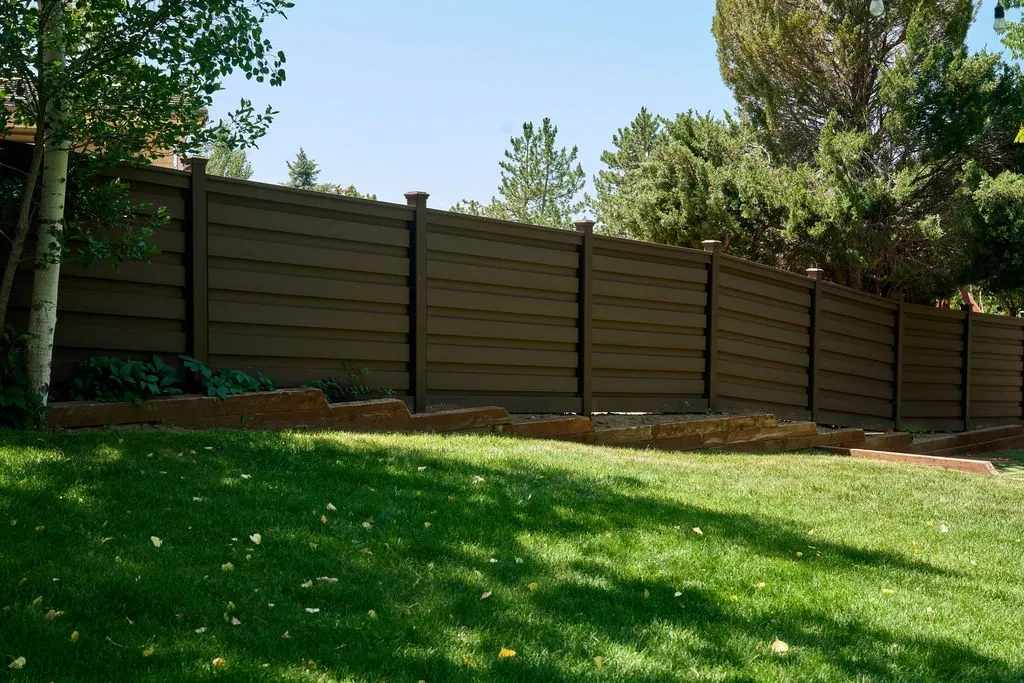
Certain residential fence styles naturally hide minor changes better than others. Privacy fences with overlapping boards often weather more uniformly, while decorative designs showcase grain patterns as they evolve. Homeowners browsing wood fencing styles and options frequently consider how aging will complement their home rather than detract from it.
Picket Designs and Material Selection
When choosing picket fence materials, board thickness and spacing play a key role. Thicker pickets resist warping, while proper spacing allows airflow that reduces moisture buildup. These details help picket fences maintain their charm rather than showing uneven wear.
Lessons Homeowners Learn Over Time
After a few years, many residents reflect on what they would do differently if starting over.
Expectations Shape Satisfaction
Homeowners who understand that wood will change tend to appreciate the process. Those who expected a static appearance often feel disappointed. Education during wood fence installation helps align expectations with reality.
Professional Guidance Reduces Guesswork
Residents who consulted Top Rail Fence Holland often mention that early conversations about materials, styles, and care helped them avoid surprises. That guidance turns natural aging into a feature rather than a flaw.
Planning for a Fence That Ages With Character
A wood fence doesn’t need constant attention, but it does benefit from thoughtful planning. Choosing the right materials, investing in proper wood fence installation, and following a simple wood fence maintenance routine all contribute to a fence that looks better with time.
For homeowners in Holland considering new fencing or evaluating an existing one, understanding why some fences age beautifully can guide smarter decisions. To explore options tailored to your property or discuss long-term care strategies, connect with Top Rail Fence Holland through the Contact Us page and start planning a fence designed to age with confidence.