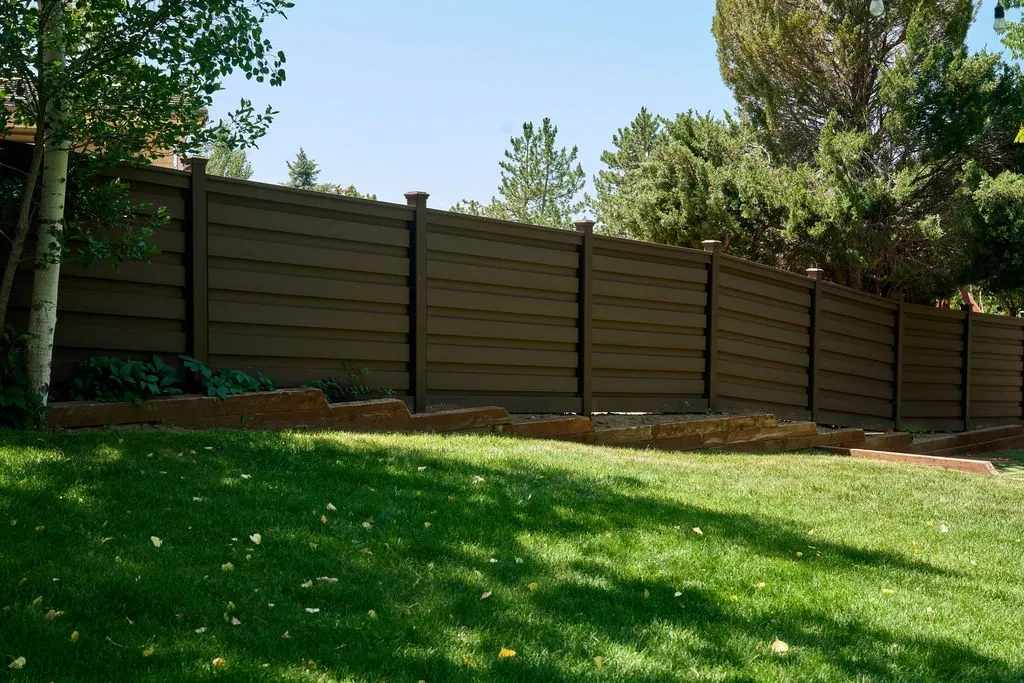
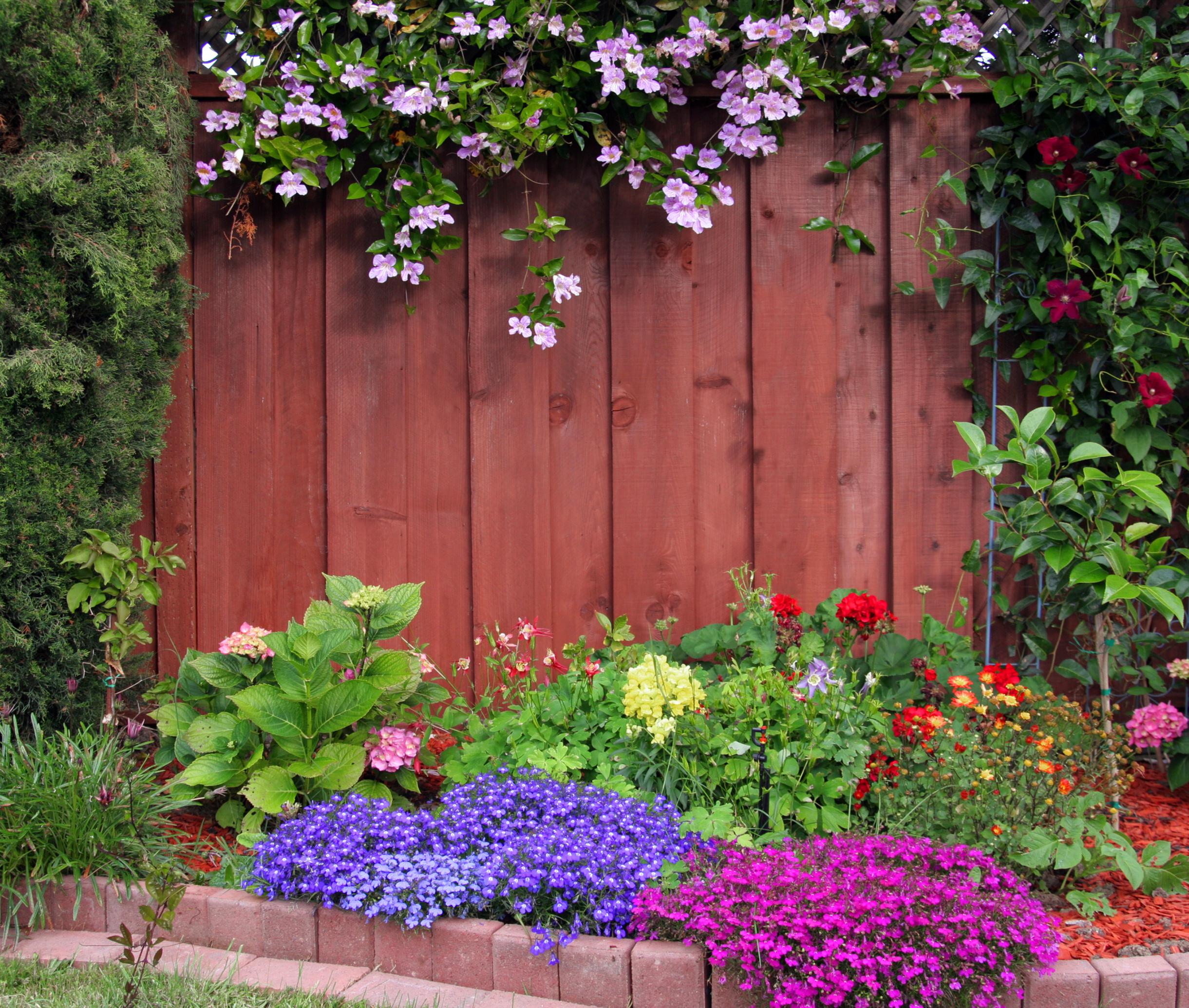
Living in Holland means enjoying the beauty of Lake Michigan year-round, but it also means preparing your home for constant moisture exposure. From heavy lake effect snow to humid summer air, these conditions can test the strength of your wood fencing over time. Many residents begin by reviewing the Top Rail Fence Holland page to better understand how regional climate patterns influence fence performance and longevity.
For homeowners who have invested in a wood privacy fence or are considering new wood fence installation, understanding how moisture affects materials is essential. The right preparation and professional guidance can mean the difference between a fence that withstands the environment and one that struggles after just a few seasons.
The Impact of Lake Michigan’s Moisture on Wood Fencing
Proximity to Lake Michigan creates a unique microclimate in Holland. Elevated humidity levels, frequent precipitation, and fluctuating temperatures all influence how wood fencing behaves.
How Humidity Affects Board Stability
Wood is naturally porous. When humidity rises, boards absorb moisture and expand. When the air dries out, they contract. Over time, repeated expansion and contraction can cause warping, splitting, or loosening fasteners if the original wood fence installation did not account for these shifts.
Professional installers understand that spacing, fastening techniques, and board selection must accommodate natural movement. Without those considerations, even well-built fences may begin to show uneven gaps or slight misalignment.
Persistent Moisture and Surface Wear
Unlike short bursts of rainfall, lake-influenced humidity lingers. This prolonged exposure can lead to discoloration, mildew growth, or early surface deterioration. Homeowners who choose properly treated lumber and sealants during wood fence installation often notice slower visual wear compared to untreated materials.
Choosing Materials That Resist Moisture
Not all wood reacts the same way to damp conditions. Selecting the right material is one of the most important steps toward building durable fences in a lakeside environment.
Cedar and Pressure-Treated Options
Cedar naturally contains oils that help it resist moisture and insect damage. Pressure-treated lumber is another popular option because it undergoes a process that enhances resistance to rot and decay. When planning wood fencing in Holland, balancing aesthetics with moisture resilience leads to better long-term results.
According to the U.S. Forest Service research on wood durability, proper treatment and protection significantly extend the lifespan of wood used in outdoor applications. This reinforces the value of thoughtful material selection before installation begins.
Thickness and Structural Strength
Board thickness plays a role in how well a wood privacy fence handles constant exposure to damp air. Thicker boards are generally more resistant to warping and twisting. Combined with sturdy posts and high-quality fasteners, these elements contribute to truly durable fences that maintain their alignment year after year.
Installation Practices That Make a Difference
Moisture resistance is not only about the wood itself. The process of wood fence installation determines how effectively the structure handles water runoff and ground saturation.
Proper Post Depth and Drainage Planning
In areas near Lake Michigan, soil can become saturated quickly. Posts that are not set deep enough or secured with adequate drainage measures may begin to lean as the ground shifts. Experienced installers in Holland account for soil composition and water flow patterns when building wood fencing.
Gravel bases, correct concrete placement, and thoughtful grading help prevent water from pooling around posts. These details are not always visible, but they greatly influence how well a fence performs in wet conditions.
Allowing Airflow Between Boards
A tightly sealed fence might seem ideal for privacy, but minimal airflow can trap moisture. During wood fence installation, slight spacing between boards allows air circulation, helping surfaces dry more efficiently after rain or snow. This small adjustment supports the longevity of a wood privacy fence without sacrificing functionality.
Homeowners exploring different layouts can review available wood fencing options to see how design variations balance privacy and ventilation.
Seasonal Maintenance in a Lakeside Climate
Even the most carefully built wood fencing benefits from consistent upkeep. Moisture from Lake Michigan makes regular inspection especially important in Holland.
Sealing and Staining at the Right Time
Applying a protective sealant helps reduce water absorption. Timing matters. Sealing wood when it is clean and dry allows the product to penetrate effectively. Periodic reapplication protects against fading and helps maintain the appearance of durable fences.
Homeowners who stay ahead of maintenance often experience fewer costly repairs compared to those who wait until visible damage appears.
Monitoring for Early Signs of Trouble
Soft spots near the bottom of boards, minor leaning, or loose hardware can signal moisture-related stress. Addressing these issues early prevents them from spreading across the fence line. One of the advantages of wood fencing is that individual boards can often be replaced without disturbing the entire structure.
Why Professional Guidance Matters in Holland
Every property interacts differently with its environment. Trees, elevation, and distance from the shoreline all influence how moisture impacts fencing. That is why many residents consult Top Rail Fence Holland before starting a new project or evaluating an existing fence.
With experience building wood fencing specifically for Holland’s climate, Top Rail Fence Holland understands how to combine material selection, installation precision, and practical maintenance advice. Their approach focuses on creating durable fences that handle both humidity and seasonal shifts without sacrificing visual appeal.
Homeowners who invest in professional wood fence installation often find that their fences remain straighter, stronger, and more consistent in appearance compared to do-it-yourself projects that overlook local environmental factors.
Planning for Long-Term Performance
A fence near Lake Michigan will always encounter moisture. The goal is not to eliminate exposure but to manage it intelligently. Thoughtful design, correct installation, and steady upkeep allow wood fencing to perform reliably despite challenging conditions.
For homeowners in Holland considering a new wood privacy fence or evaluating whether their current structure can withstand ongoing humidity, professional insight can provide clarity. To discuss options tailored to your property and learn how to strengthen your fence against moisture, connect with Top Rail Fence Holland through the Contact Us page and take the next step toward building one of the most dependable and durable fences for your home.