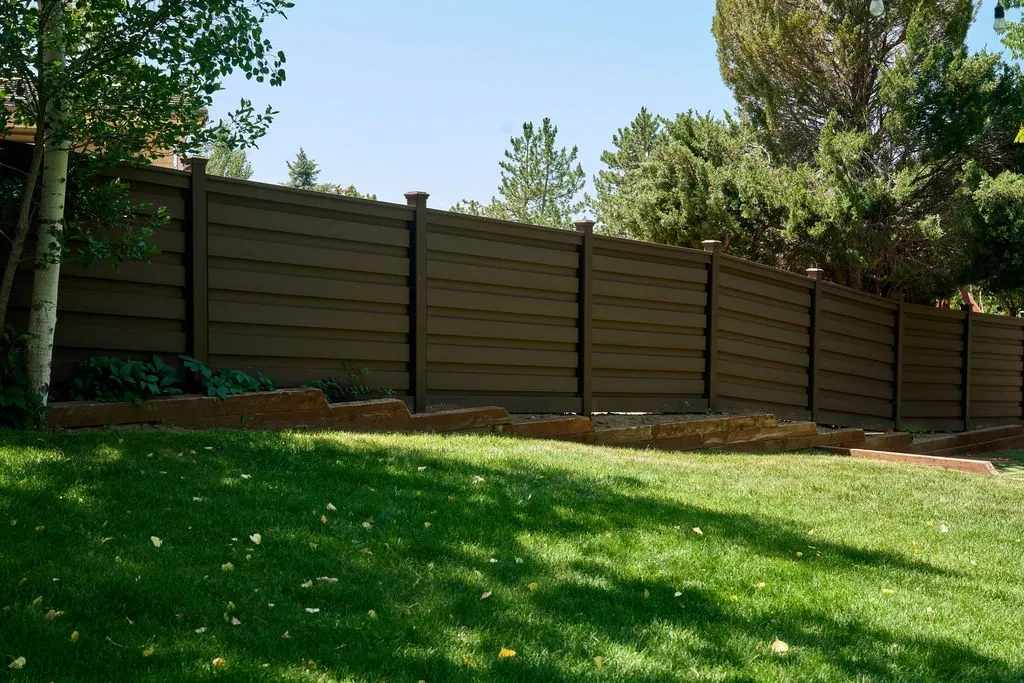
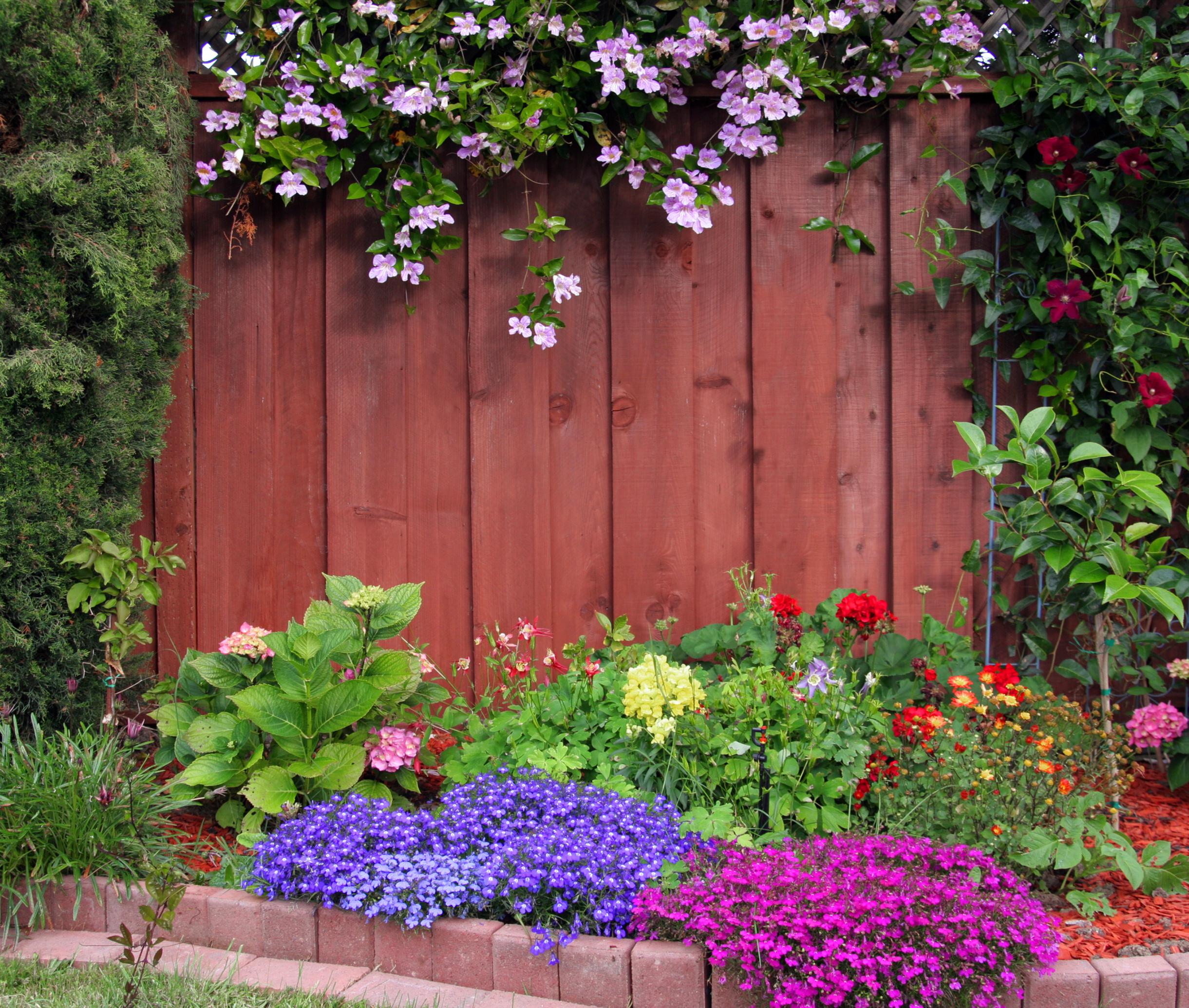
Planning a fence installation in Huntington goes beyond selecting the right material or style, it requires compliance with local zoning laws that determine height, design, and placement. Ignoring these rules can lead to fines, removal orders, or disputes with neighbors. Homeowners working with Top Rail Fence Huntington can enjoy peace of mind knowing their fences meet every local regulation while still enhancing property value. To learn more about our local expertise, visit our Huntington location page.
The Importance of Understanding Local Zoning Regulations
When considering a fence installation, understanding Huntington’s zoning codes ensures your project meets local standards. Zoning laws typically specify fence height, location, and materials to maintain neighborhood consistency and preserve the town’s scenic charm.
For example, fences in front yards often have stricter height limits than those in backyards. Additionally, corner lots must maintain visibility at intersections for safety reasons. Checking these details before installation can prevent costly redesigns.
For general insights on fencing regulations and layout considerations, review HomeAdvisor’s comprehensive fencing guide.
Key Zoning Restrictions in Huntington
Every municipality has its specific set of rules, and Huntington is no exception. While exact codes may vary by district, here are some common zoning guidelines homeowners should consider before starting their fence installation:
Front Yard Fences:
Usually limited to 3–4 feet to avoid obstructing sightlines and preserve curb appeal. Decorative or open designs are often preferred for these spaces.
Backyard Fences:
Homeowners can typically build fences up to 6–8 feet high for increased privacy and security. However, approval from the local zoning department or homeowners’ association might be necessary.
Property Line Placement:
Fences should usually be installed within the homeowner’s property boundary, not directly on it, to prevent legal disputes with neighbors.
Material and Color Requirements:
Some communities regulate materials and colors to maintain a consistent neighborhood look. Before selecting your preferred fence design, ensure it aligns with these requirements.
Choosing the Right Residential Fence Options
Selecting from the right residential fence options helps you balance aesthetics, privacy, and compliance. Each fence type serves a different purpose depending on location and function:
- Wood Fences: Provide natural appeal and privacy, but require routine maintenance. Ideal for homes near wooded or coastal areas in Huntington.
- Vinyl Fences: Low-maintenance and available in a range of styles. Perfect for homeowners looking for long-term solutions.
- Aluminum Fences: Offer an elegant look while adhering to height and transparency rules common in front-yard fencing.
- Chain Link Fences: Durable and affordable, but must follow chain link fence guidelines to comply with zoning height limits and visual standards.
Homeowners can learn more about design variations and compliance tips by reviewing our fence design blog section.
The Role of Permits and Inspections
Most fence installation projects in Huntington require a permit, especially when exceeding standard height or involving structural modifications. The permit process ensures your fence follows local codes and that installation meets safety standards.
During inspection, local authorities assess the fence’s alignment, materials, and compliance with regulations. Working with professionals like Top Rail Fence Huntington ensures your fence passes inspections effortlessly and avoids delays in completion.
Neighbor and Property Considerations
Good neighbor relationships are as important as compliance. Before you install your fence, have a conversation with adjoining property owners. Discussing the location, height, and style can prevent boundary conflicts.
Additionally, remember that in some cases, both property owners may share responsibility for boundary fences, depending on placement and local law. Always review legal boundaries before installation to avoid future issues.
Chain Link Fence Guidelines and Community Standards
Chain link fence guidelines are often stricter in residential neighborhoods to maintain visual appeal. These fences must meet specific requirements for mesh size, coating, and color. For example, black or green-coated chain link fences are preferred in Huntington to blend with natural surroundings and reduce glare.
If you’re planning to use a chain link fence, consult with Top Rail Fence Huntington professionals who understand local preferences and compliance requirements. They can recommend materials and configurations that meet both function and regulation.
Practical Tips for a Successful Fence Installation
- Research Early: Check Huntington’s zoning maps and consult with local building departments before purchasing materials.
- Choose the Right Contractor: Always work with licensed contractors experienced in fence installation within the area. This ensures the project meets all city codes.
- Document Everything: Keep copies of permits, surveys, and approvals in case of future property transactions or neighbor disputes.
- Integrate with Landscaping: Make sure your fence design complements your home’s surroundings. Align fences with garden edges or tree lines for a more seamless look.
For professional support and expert planning, reach out via our Contact Us page.
Final Thoughts
Installing a fence in Huntington involves more than just aesthetics; it’s about adhering to community standards while enhancing your home’s appeal and value. By understanding zoning regulations and selecting from compliant residential fence options, homeowners can enjoy security, privacy, and beauty without legal complications.
When you choose Top Rail Fence Huntington, you’re choosing trusted local experts who prioritize precision, compliance, and lasting craftsmanship. Ready to start your project? Visit our fence services page to explore your options today.