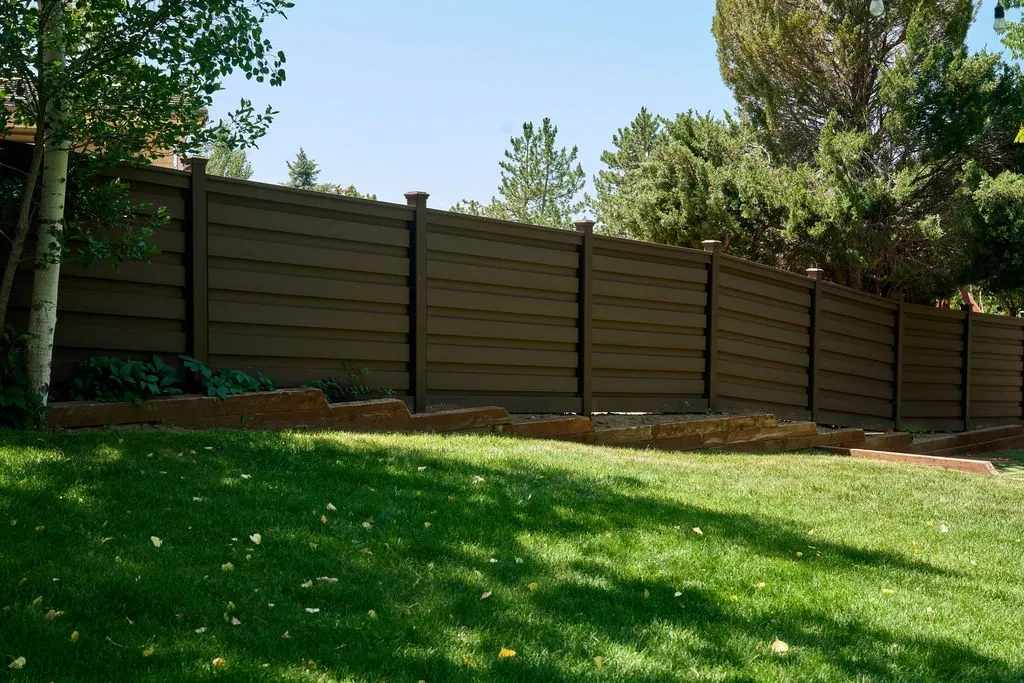
When a powerful system moves through Memphis from the Mississippi River corridor, heavy rain, strong winds, and saturated soil can all affect your vinyl fence installation. While modern vinyl fencing is designed for durability, post-storm inspections are essential to ensure your fence remains aligned, secure, and structurally sound. Many homeowners begin by connecting with Top Rail Fence Memphis to better understand how regional weather patterns influence long-term fence performance.
Storm recovery is not just about visible damage. A careful inspection after severe weather helps protect your investment and extend the lifespan of your fence.
Start With a Full Perimeter Walkthrough
The first step after a Mississippi River storm is a slow, detailed walk along your fence line.
Look for Shifting or Leaning Posts
High winds combined with water-saturated soil can loosen post footings. Even if your vinyl fence panels appear intact, subtle leaning may indicate that the original vinyl fence installation needs reinforcement or adjustment.
In areas of Memphis prone to pooling water, soil displacement can occur below the surface before visible signs appear above ground.
Check Panel Alignment
Scan each section for uneven spacing or slight bowing. Vinyl fencing expands and contracts naturally, but post-storm distortion may suggest that wind pressure exceeded normal movement allowances.
Addressing alignment early prevents minor issues from developing into more expensive corrections.
Inspect for Water-Related Stress
Storm systems along the Mississippi River often bring intense rainfall in a short period of time.
Examine the Base of Each Post
Standing water around fence posts can weaken soil stability. Although vinyl does not rot, compromised footing can affect the overall integrity of your vinyl fence installation. Pay close attention to low-lying sections of your yard.
Evaluate Drainage Patterns
If runoff consistently collects along one stretch of your vinyl fencing, regrading or drainage improvements may be necessary. Reviewing installation best practices through vinyl fencing resources can provide insight into how layout and slope impact long-term performance.
Assess Wind Impact on Panels and Rails
Strong gusts are common when storms track north along the Mississippi River.
Inspect Rail Connections
High wind can strain horizontal rails. Check that brackets and internal reinforcements remain secure. Properly completed vinyl fence installation allows for controlled movement without detachment.
Look for Surface Scuffing
Flying debris, such as branches or loose yard items, may leave marks on vinyl fence panels. Most minor scuffs can be addressed through routine vinyl fence maintenance, but more serious damage should be evaluated promptly.
Examine Gates and Hardware
Gates often experience the greatest stress during storms.
Test Gate Alignment
Open and close each gate slowly. If the latch does not connect smoothly, post movement may have shifted alignment. Early adjustment protects both appearance and security.
Check Hinges and Fasteners
Heavy wind pressure can strain hardware. Ensuring that hinges remain tight supports the overall reliability of your vinyl fencing system.
Watch for Soil Erosion Along Fence Lines
River-driven storm systems can create powerful runoff conditions in Memphis neighborhoods.
Inspect for Washed Out Sections
Erosion near posts may expose concrete footings or create uneven ground. Even a high-quality vinyl fence installation relies on stable soil to maintain structural balance.
Monitor Long-Term Settlement
After the ground dries, observe whether sections return to their original alignment. If leaning persists, professional evaluation may be needed.
According to research from the National Centers for Environmental Information, severe storm systems in river-adjacent regions often combine wind and flash flooding, increasing stress on outdoor structures.
Cleaning After Storm Debris
Storm residue can affect both the look and longevity of your fence.
Remove Organic Buildup
Leaves, mud, and organic matter left against vinyl fence panels may stain surfaces if not removed promptly. Gentle rinsing supports effective vinyl fence maintenance without damaging protective finishes.
Avoid Aggressive Pressure Washing
While it may be tempting to use high-pressure cleaning, excessive force can scratch or weaken vinyl surfaces. Mild soap and water typically provide sufficient cleaning power.
Know When to Call Professionals
Some post-storm adjustments require trained evaluation.
Signs Professional Attention Is Needed
Persistent leaning, separated rails, cracked panels, or unstable gates should not be ignored. Addressing these concerns quickly helps preserve the value of your vinyl fence installation.
Homeowners throughout Memphis often consult Top Rail Fence Memphis when visible changes appear after major weather events.
Preventive Reinforcement
If storms frequently impact your property, reinforcement upgrades may improve long-term durability. Professional installers understand how to adapt vinyl fencing systems to local soil and wind conditions.
Planning Ahead for Future Storms
Preparation reduces risk before the next Mississippi River storm arrives.
Secure Yard Items
Outdoor furniture and loose equipment should be anchored or stored to prevent impact damage to vinyl fence panels.
Review Drainage and Grading
Improving water flow around fence lines reduces the chance of footing instability. Quality vinyl fence installation accounts for slope and runoff patterns from the beginning, but adjustments can always be made if conditions change.
Many homeowners in Memphis rely on Top Rail Fence Memphis for guidance on strengthening fence systems against recurring seasonal storms.
Protecting Your Investment Long Term
Storm inspections are not about expecting failure. They are about proactive care. Routine observation and consistent vinyl fence maintenance allow homeowners to identify small shifts before they become structural concerns.
If your property recently experienced severe weather and you have questions about your vinyl fence installation, connect with Top Rail Fence Memphis for professional insight. Visit the Contact Us page to schedule an inspection or discuss adjustments that will help your fence remain secure through every Mississippi River storm season.