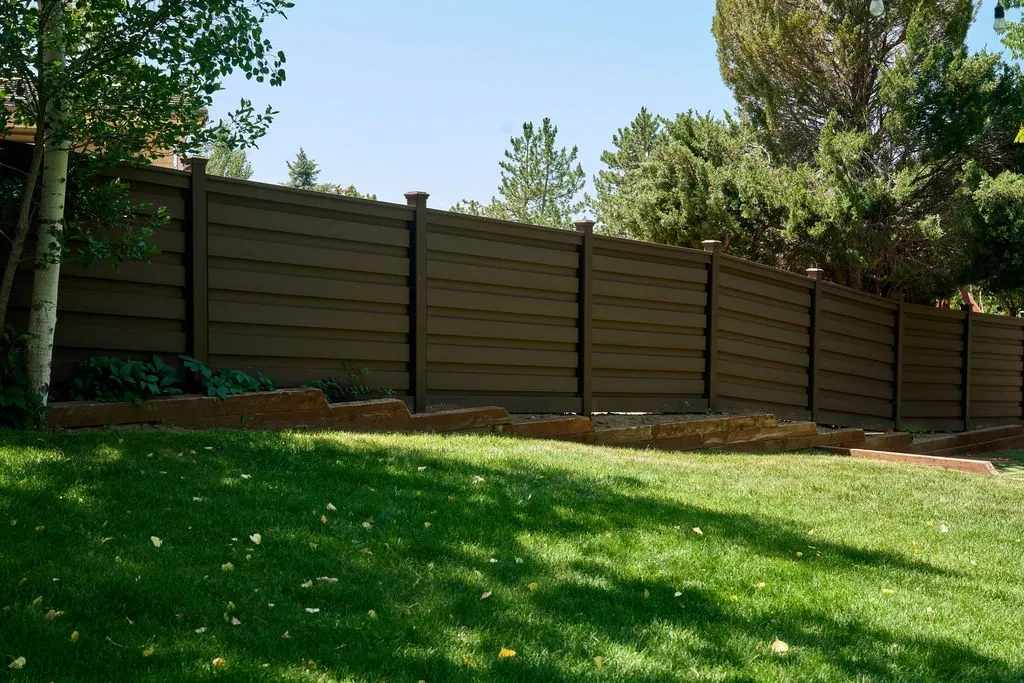
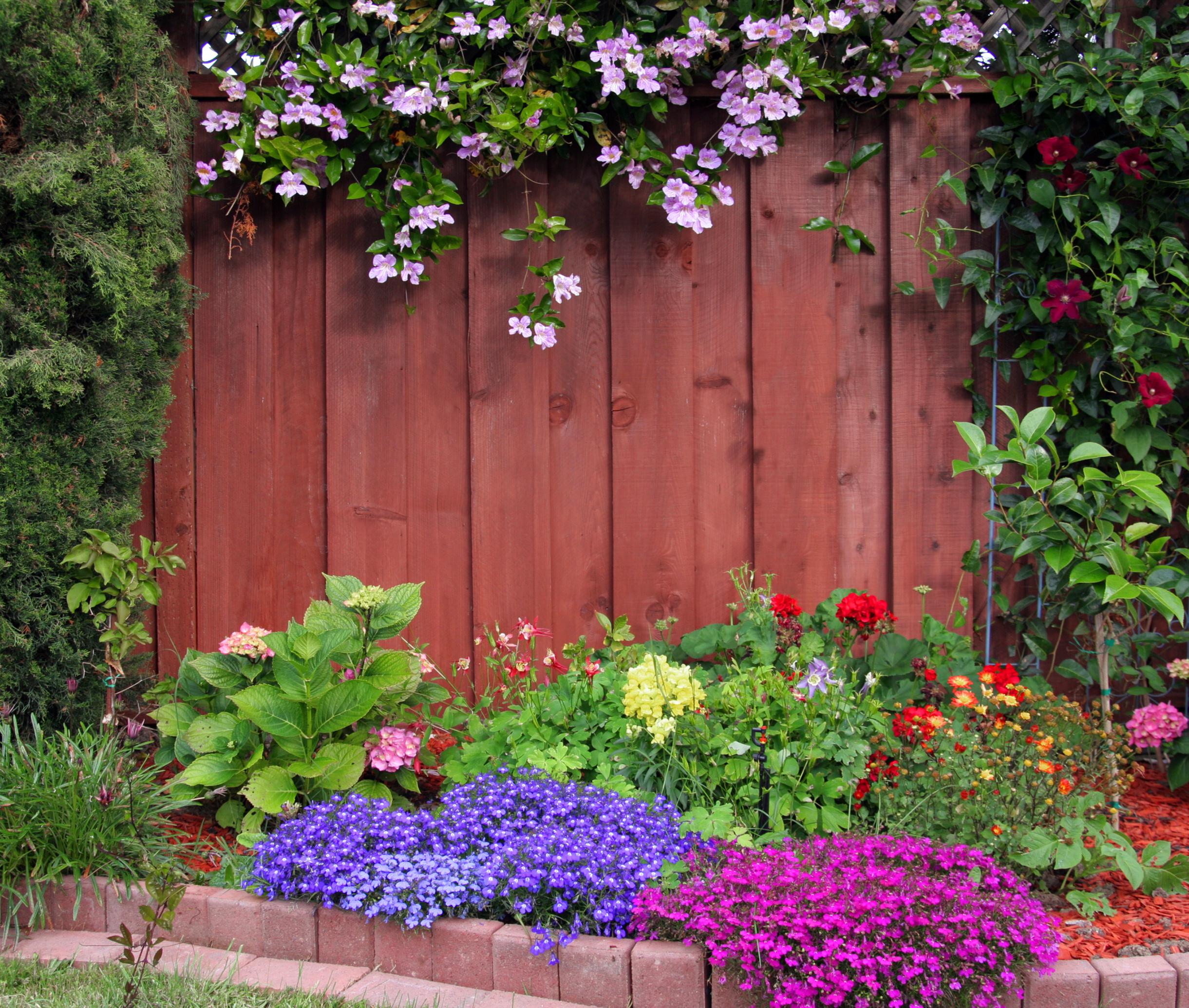
When it comes to fence installation in Oklahoma City, wind is a factor that homeowners can’t afford to overlook. The region’s gusty conditions can influence everything from the type of fence materials you choose to the depth of your fence posts and even the spacing between panels. Ignoring these local wind patterns could lead to structural problems, higher maintenance costs, and even premature fence failure.
That’s why understanding how to build for the breeze is crucial, especially if you’re planning a residential fence installation. With insights from Top Rail Fence Oklahoma City, this guide explains how wind affects fence construction and provides essential fence installation tips to help your project withstand the elements.
How Wind Affects Fence Stability
Strong winds can exert tremendous pressure on your fence, especially if it’s tall or constructed with solid panels that don’t allow airflow. This pressure can loosen posts, cause panels to warp, or even lead to structural collapse. In areas like Oklahoma City, where winds are frequent, strategic planning is key.
When preparing for fence installation, it’s essential to account for both direct wind pressure and soil stability. Wind can cause uplift around fence posts, especially if the ground is soft or sandy. Using proper post depth and concrete reinforcement can help prevent future tilting or leaning.
Choosing the Right Fence Materials for Wind Resistance
The type of fence material you choose plays a huge role in how your fence performs under windy conditions. Lightweight, flexible materials tend to handle gusts better than rigid or heavy ones. Below are some recommended options for windy environments:
Vinyl Fencing
Vinyl fences are durable and low-maintenance, but for high-wind zones, it’s best to choose designs with small gaps or lattice tops to allow air circulation.
Wood Fencing
While wood fences provide privacy and beauty, solid panels can act like sails in strong winds. Consider spaced picket designs or shadowbox styles to reduce resistance.
Metal Fencing
Aluminum or steel fences offer excellent strength and wind resistance. They allow airflow while maintaining security and curb appeal, making them ideal for open or elevated areas.
If you’re unsure which option best suits your property, the team at Top Rail Fence Oklahoma City can guide you in selecting the most durable and practical material for your environment.
Smart Fence Installation Tips for Windy Areas
Proper planning and installation techniques make all the difference in a windy climate. Here are some essential fence installation tips to ensure your fence stands strong year-round:
1. Anchor Deeply
Posts should be buried at least 30–36 inches deep, with concrete extending several inches above ground level to keep moisture out. Deeper posts provide better resistance to lateral wind forces.
2. Space Posts Correctly
Reducing the distance between posts helps improve stability. For example, spacing them 6 feet apart instead of 8 feet offers more structural support against wind load.
3. Allow for Airflow
Avoid solid fences in high-wind areas. Instead, choose designs that let wind pass through, like picket or lattice fences.
4. Use Quality Fasteners
High-grade galvanized screws or stainless-steel nails help prevent rust and provide stronger connections between rails and posts.
5. Inspect Regularly
Even the best fences need maintenance. Schedule regular inspections, especially after storms, to check for loose posts or damaged panels.
Planning a Residential Fence Installation That Lasts
A residential fence installation in a windy region like Oklahoma City requires more than just good materials; it demands strategic design. Homeowners should consider the direction of prevailing winds, nearby structures, and landscape features like trees or slopes that could influence airflow.
For added peace of mind, working with professionals familiar with local conditions, such as Top Rail Fence Oklahoma City, ensures your fence is properly anchored and built to handle Oklahoma’s unpredictable weather.
Why Professional Fence Installation Matters
Attempting a DIY fence installation may seem tempting, but windy conditions increase the project’s complexity. Professional installers know how to calculate wind load, choose appropriate materials, and set posts deep enough to withstand shifting soils.
Hiring experienced contractors also ensures compliance with local building codes and zoning regulations. This not only protects your investment but also enhances your home’s safety and appearance.
You can explore more about professional fence services on Top Rail Fence’s Contact Page for expert advice and project quotes tailored to your property.
Maintaining Your Fence Through the Seasons
Wind isn’t the only environmental factor affecting your fence. Seasonal changes, like heavy rains or temperature swings, can weaken materials over time. Regular cleaning, repainting, or sealing can help prevent deterioration and extend your fence’s lifespan.
Routine upkeep also gives you a chance to spot small issues before they become costly repairs. For property owners looking to improve the look of their yard while maintaining structural integrity, visiting the Fence Installation page can offer valuable maintenance guidance.
Final Thoughts
Building a durable, long-lasting fence in Oklahoma City means respecting the region’s strong winds and unique weather conditions. Choosing wind-resistant fence materials, following reliable fence installation tips, and trusting professionals like Top Rail Fence Oklahoma City can make all the difference.
A thoughtfully designed fence doesn’t just protect your property, it enhances your home’s value and curb appeal for years to come.
Ready to start your next project? Learn more about fencing solutions near your area on Top Rail Fence’s Oklahoma City location page.
For additional guidance on choosing weather-resistant fencing, check out this helpful external resource from the American Fence Association.