In this blog, we explore how cedar fence installation in Oklahoma City quietly records the impact of wind, rain, and sun after the first major storm season. From subtle color shifts to grain movement, cedar fencing evolves in ways that tell a visual story about durability, craftsmanship, and environmental response. Homeowners considering long-term value often discover that these changes are part of cedar’s appeal rather than a flaw. To see how professional installation impacts long-term performance, many homeowners start by reviewing local fencing options through Top Rail Fence Oklahoma City before committing to materials.
How Storm Seasons Shape the Look of Cedar Fencing
Wind Patterns and Surface Wear
After the first storm season, a properly completed cedar fence installation often shows light textural changes caused by strong regional winds. In Oklahoma City, gusts can carry fine debris that gently polishes the surface of cedar boards. This natural abrasion highlights the wood grain rather than damaging it. Unlike synthetic materials, a cedar fence responds organically, developing character without compromising structural integrity.
Rain Absorption and Grain Movement
Cedar reacts to moisture differently than many other wood types. Rainfall causes brief expansion, followed by contraction as the boards dry. This movement is expected and is one of the reasons cedar fence durability is widely respected. When installed correctly, spacing allows for this seasonal motion without warping. Over time, the fence reflects a lived-in look that many property owners prefer over artificial uniformity.
Why Cedar Is Chosen for Long-Term Performance
Natural Resistance Built Into the Wood
Cedar contains natural oils that help resist decay and insects. This quality plays a major role in cedar fence durability, especially in regions with fluctuating weather. After the first storm season, these oils continue protecting the wood from internal breakdown, which is why cedar fencing often outlasts untreated alternatives even when exposed to heavy rain cycles.
Color Evolution as a Visual Timeline
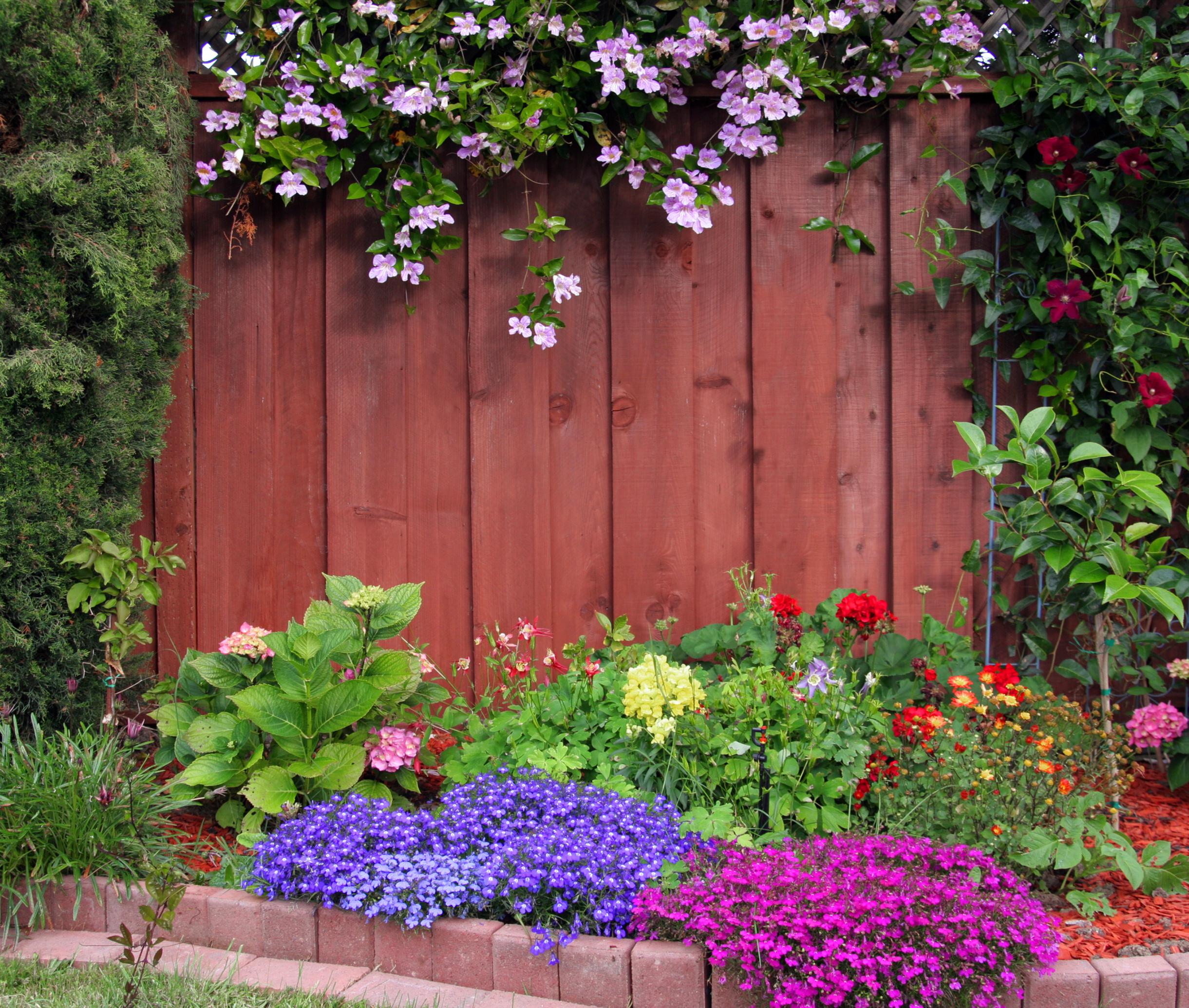
One of the most noticeable changes after a storm season is color transformation. A new cedar fence begins with warm reddish tones, then slowly transitions into softer hues. This process does not weaken the structure. Instead, it creates a timeline effect that reflects weather exposure. Many homeowners working with Top Rail Fence Oklahoma City appreciate how this aging process adds depth rather than diminishing curb appeal.
Cedar Fence Styles That Respond Best to Oklahoma Weather
Board-on-Board Designs
Certain cedar fence styles handle wind and rain more effectively than others. Board-on-board construction provides overlapping coverage that reduces direct wind pressure on individual boards. After storm season, these fences tend to maintain alignment better while still showing natural wood character.
Horizontal Cedar Applications
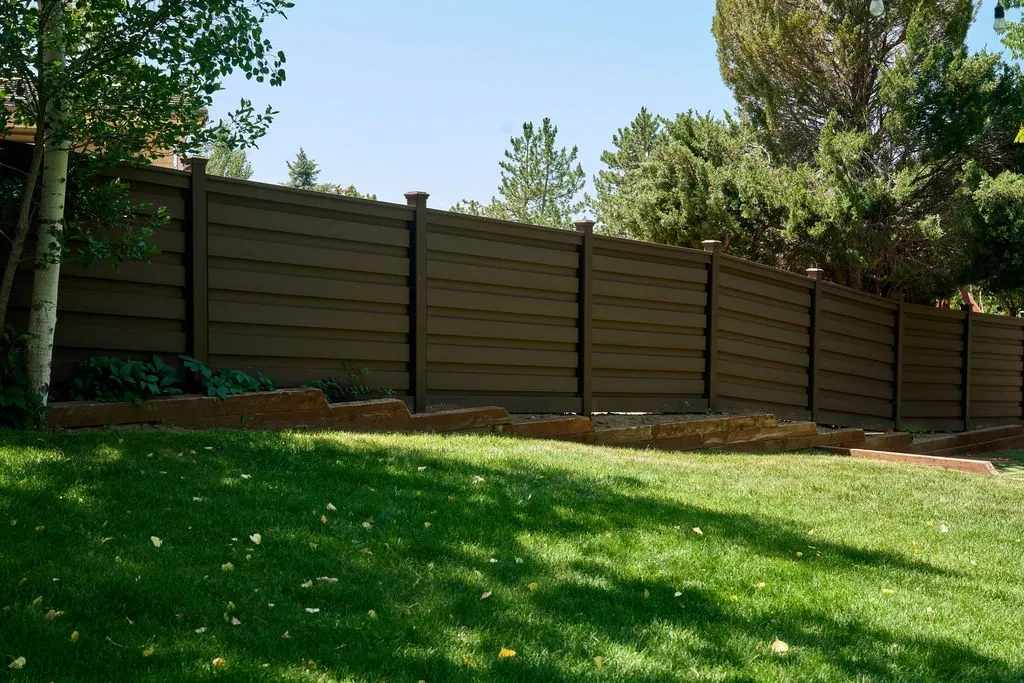
Horizontal layouts are increasingly popular in Oklahoma City. When paired with expert cedar fence installation, horizontal cedar fencing distributes moisture exposure evenly across boards. This results in more consistent aging and fewer stress points, especially after repeated storms.
Installation Quality Determines the Story Your Fence Tells
Post Depth and Drainage Planning
A cedar fence’s performance after storm season depends heavily on how it was installed. Proper post depth and drainage prevent water pooling at the base. Midway through planning, many homeowners reference detailed material guides such as cedar fencing options to ensure the chosen design aligns with local soil conditions and rainfall patterns.
Spacing That Accounts for Expansion
Accurate spacing is essential for long-term cedar fence durability. Too tight, and boards may press against each other during wet seasons. Too loose, and wind resistance decreases. Experienced installers understand how regional storm behavior affects spacing decisions, ensuring the fence ages gracefully rather than unevenly.
What the First Storm Season Reveals to Homeowners
Early Indicators of Craftsmanship
After one full storm cycle, a fence reveals whether installation choices were sound. Straight lines, stable posts, and even weathering indicate quality work. Minor surface changes are normal, but structural consistency shows that the cedar fence installation was done with long-term performance in mind.
Maintenance Expectations Moving Forward
Cedar does not demand heavy maintenance after storm season, but awareness matters. Occasional inspections help homeowners understand how their cedar fence is responding to weather. Educational resources from institutions like Oklahoma State University Extension explain how cedar naturally adapts to moisture and temperature changes without losing strength.
Is Cedar the Right Choice for Your Property?
Matching Material to Environment
For many properties in Oklahoma City, cedar proves to be a practical and visually rewarding choice. Its ability to tell a story through subtle change makes it appealing to homeowners who value authenticity over perfection. Working with Top Rail Fence Oklahoma City helps ensure those changes reflect quality rather than avoidable mistakes.
Planning the Next Step
If you are considering upgrading or replacing an existing fence, understanding how cedar behaves after storm season is essential. A well-executed installation sets the stage for decades of performance. To discuss design options, timelines, or material selection, homeowners often take the final step by reaching out through Contact Us and planning a solution that fits both environment and expectations.