Walk through neighborhoods across Oklahoma City, and you’ll notice that cedar fencing ages very differently from yard to yard. Some fences fade evenly into a soft gray, while others show darker tones, tighter grain movement, or subtle splitting. These aging patterns are not random. They reveal important details about soil conditions, sun exposure, wind flow, and how each yard interacts with the local environment. At Top Rail Fence Oklahoma City, long-term fence performance is often evaluated by studying how cedar responds over time in specific yard conditions.
Why Cedar Aging Looks Different From One Yard to Another
Cedar is a natural material, and its appearance changes based on its surroundings.
Sun Exposure Shapes Color Shifts
Yards with full southern exposure often see cedar fencing lighten faster. Ultraviolet rays break down surface oils, creating an even silver tone. Shadier yards retain warmer browns longer, especially along tree-lined property edges.
Soil Moisture Influences Board Behavior
In areas with heavier clay soil, moisture retention affects how cedar boards dry. This can lead to visible grain patterns or slight surface checking that tells a story about drainage and grading around the fence line.
What Cedar Fence Types Reveal Over Time
Different designs age in distinct ways.
Privacy Styles Show Uniform Weathering
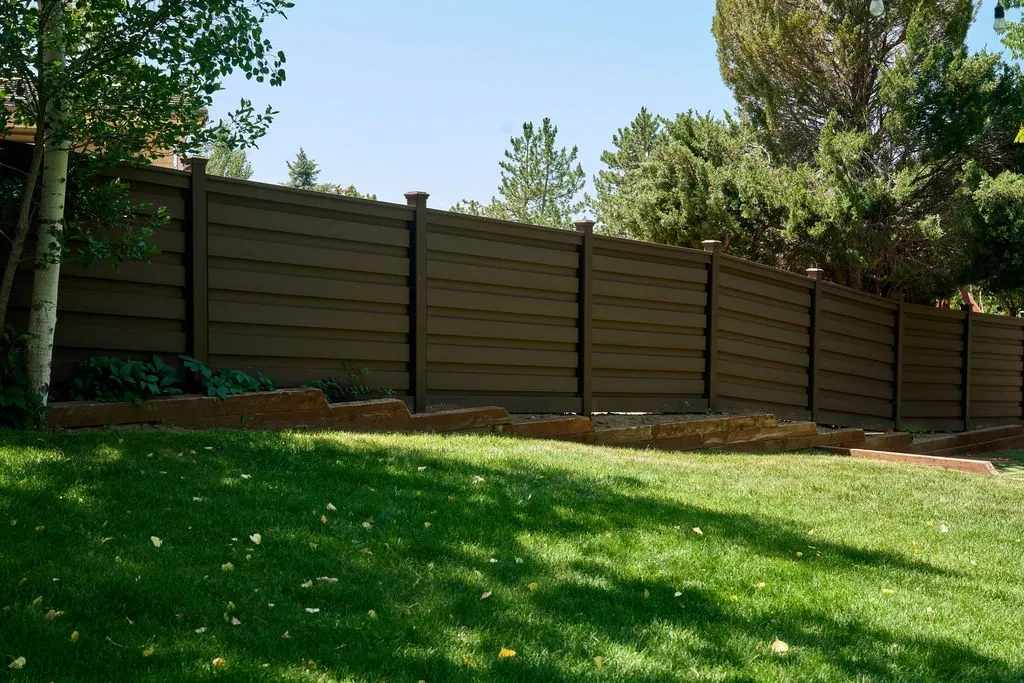
Solid privacy layouts tend to age evenly because boards shield one another from direct wind exposure. This makes full-panel cedar fence types ideal for homeowners who value consistent appearance across long runs.
Shadowbox Designs Highlight Texture
Shadowbox fences allow airflow through alternating pickets. Over time, this exposes more surface area to the elements, creating subtle contrasts that emphasize cedar’s natural texture rather than uniform color.
Split Cedar Fence Character Development
A split cedar fence develops character faster than milled boards. The exposed grain edges weather more visibly, giving rural and semi-rural yards an authentic, time-worn look that blends naturally into open landscapes.
Wind Patterns Tell a Story in Cedar Grain
Wind exposure plays a quiet but important role.
Open Lots vs Sheltered Yards
In open areas of Oklahoma City, steady winds dry cedar faster after rain. This often results in fewer moisture-related issues but more visible grain definition. Sheltered yards may show darker streaking where moisture lingers longer.
Fence Orientation Matters
Fences running east to west experience different aging patterns than north-south layouts. Understanding this helps homeowners choose cedar fencing designs that age predictably rather than unevenly.
Installation Quality Shapes Long-Term Aging
How a fence is built affects how it matures.
Proper Spacing Reduces Stress
Professional wood fence installation ensures consistent spacing between boards, allowing cedar to expand and contract naturally. Poor spacing often leads to premature splitting or warping.
Post Depth and Stability
Stable posts keep boards aligned as cedar seasons. This prevents twisting that exaggerates aging irregularities over time.
Maintenance Choices Leave Visible Signatures
How a homeowner cares for cedar influences its appearance.
Natural Aging vs Treated Finishes
Untreated cedar fencing weathers naturally, developing a uniform gray patina. Stained fences age differently, often showing fade patterns where sun exposure is strongest.
Cleaning Practices Matter
Gentle cleaning preserves surface oils, while aggressive pressure washing can accelerate aging. Over time, these choices become visible markers of maintenance history.
What Aging Reveals About Yard Conditions
Cedar acts as a visual indicator of its environment.
Drainage and Runoff Patterns
Darkened lower boards often signal poor drainage. This helps identify areas where soil grading or runoff management could improve yard health.
Landscape Interaction
Shrubs, irrigation systems, and nearby structures all influence how cedar boards age. These interactions are especially noticeable along long fence lines.
Environmental Benefits of Letting Cedar Age Naturally
Aging cedar supports sustainable choices.
Reduced Chemical Dependence
Allowing cedar fencing to age naturally eliminates the need for frequent chemical treatments. This aligns with guidance from the Oklahoma Forestry Services on sustainable wood use and natural weathering practices.
Longevity Through Natural Resistance
Cedar’s natural oils continue protecting the wood even as its color changes, extending fence life without intensive upkeep.
Why Local Expertise Makes a Difference
Understanding regional patterns matters.
Yard-Specific Planning
At Top Rail Fence Oklahoma City, fence recommendations are shaped by how cedar has historically aged in nearby neighborhoods.
Design Adjustments for Longevity
Selecting the right cedar fence types based on yard exposure helps ensure aging enhances character rather than creating problems.
Planning a Cedar Fence With Aging in Mind
Smart planning leads to better long-term results.
Match Design to Yard Conditions
Open properties may benefit from designs that accommodate wind, while shaded yards may prioritize airflow.
Choose Professional Installation
Experienced wood fence installation ensures cedar boards age evenly and predictably.
If you are considering cedar fencing and want it to age gracefully in your Oklahoma City yard, start by reaching out through the Contact Us page.
From subtle color shifts to textured grain patterns, the way cedar ages offers insight into each yard’s environment. With thoughtful design and guidance from Top Rail Fence Oklahoma City, homeowners can embrace aging patterns as a feature, not a flaw, creating fences that grow more distinctive with time.